BarmeniaGothaer Merger Success: CEOs Reveal Key Lessons & 2024 Growth Amid Challenges
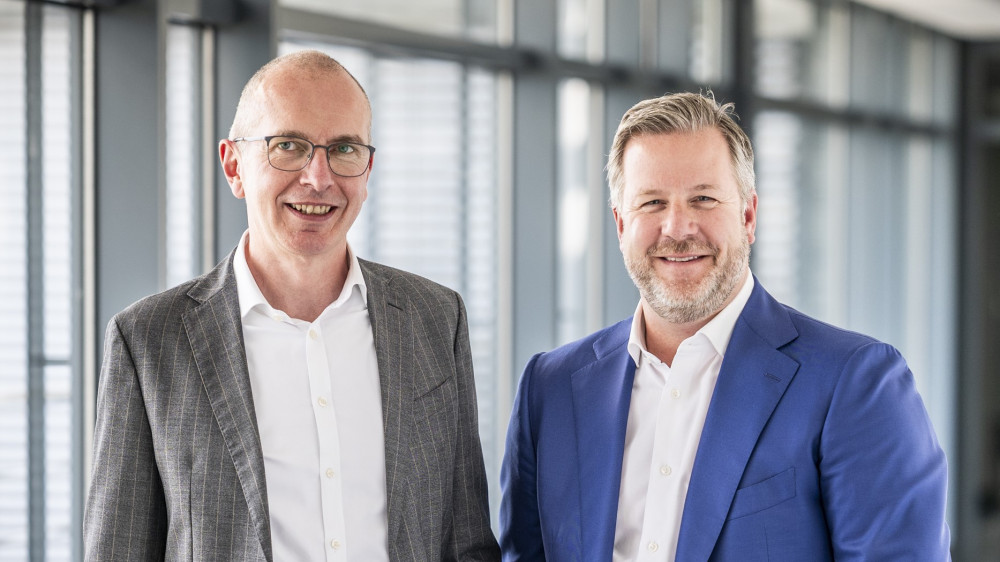
The German insurance landscape witnessed a major consolidation in 2024 with the merger of Barmenia and Gothaer to form BarmeniaGothaer. In a reflective interview, CEOs Oliver Schoeller and Andreas Eurich look back on the high-speed integration, reveal the surprises they encountered, and explain how the newly formed company managed to achieve significant growth despite a year of economic headwinds. For anyone interested in the German insurance market, industry consolidation, or corporate strategy, their insights offer a valuable blueprint for successful transformation.
The High-Speed Merger: Surprises and Success Factors
Completing the fusion of two major independent insurers in under twelve months was a feat that "surprised many in the industry," according to Oliver Schoeller. The CEOs attribute this success to an excellent joint team and strong backing from the workforce across both companies.
A critical goal from the outset, as Andreas Eurich emphasizes, was to ensure that market presence and service for customers and distribution partners did not suffer during the transition. "We are very proud that we have succeeded in doing this well," he states, highlighting a client-centric approach to the merger process.
Key Lessons for Insurance Industry Consolidation
With consolidation trends accelerating, the CEOs offer concrete advice for other companies considering a similar path:
- Strategic Fit is Paramount: "The most important thing is that both partners fit well together and complement each other in their strengths," says Eurich. In their case, the perfect fit came from Barmenia's strength in health insurance (Krankenversicherung) and Gothaer's weight in property & casualty (Kompositversicherung).
- Focus on Essentials and Decide Early: Schoeller stresses the importance of concentrating on core issues and making major decisions early in the process to maintain momentum.
- The Vision Must Outweigh the Challenges: "The idea for the joint company must be 100 times bigger than the many challenges that have to be mastered as part of the merger," Schoeller explains. Communicating this compelling, larger vision is crucial for internal and external buy-in.
Thriving Amid a "Toxic Mix" of Economic Challenges
The year 2024 was not just about merger integration; it presented a harsh economic environment. Schoeller describes a "toxic mix" of challenges including inflation, rising reinsurance costs in P&C, the impact of higher interest rates on investments, and increasing healthcare costs in the health insurance sector.
Despite this, BarmeniaGothaer reported remarkable results: a 6.1% growth in premium income to approximately €8.5 billion, significantly outpacing the broader market. The CEOs credit this performance to one key principle: "keeping our head in the market."
This market focus was executed through a powerful, unified distribution network. The company now boasts an enormous sales force of around 4,700 exclusive agents and over 10,000 connected insurance brokers (Makler). This network ensured continuous client engagement and business growth even during the complex integration phase.
What This Means for the German Insurance Sector
| BarmeniaGothaer's 2024 Achievement | Implication for the Insurance Market |
|---|---|
| Successful sub-12-month merger of two major insurers | Sets a new benchmark for the speed and execution of large-scale industry consolidation. |
| 6.1% premium growth amid inflation & rising costs | Demonstrates that well-managed, scaled entities can achieve growth even in difficult economic cycles. |
| Emphasis on complementary strengths (Health & P&C) | Highlights the strategic logic behind mergers that create more balanced, resilient portfolios. |
| Empowerment of a massive broker & agent network | Reaffirms the critical role of the intermediary channel in the German insurance distribution model. |
Conclusion: A Blueprint for Post-Merger Success
The BarmeniaGothaer story in 2024 provides a compelling case study. It proves that with the right strategic fit, clear and early decision-making, a compelling vision, and an unwavering focus on the market and distribution partners, a major merger can be a catalyst for strength and growth, not disruption. As the German private insurance industry continues to evolve, the lessons from this successful fusion will undoubtedly influence future strategies for consolidation and competitive resilience.