2026 Contribution Assessment Ceilings: Rising Limits for German Health & Pension Insurance
If you follow German social security or are an expat navigating the system, understanding the contribution assessment ceilings (Beitragsbemessungsgrenzen) is crucial. These annual limits determine the maximum income subject to social security contributions. For 2026, significant increases are planned, affecting health, pension, and long-term care insurance. This article breaks down the new figures, explains their impact, and draws parallels to similar concepts in the US Social Security and Medicare systems to help American readers grasp the implications.
2026 Social Security Calculation Figures: The Planned Increases
The projected calculation figures for German social security in 2026 appear to be set. These numbers are typically published in the draft ordinance on social insurance calculation figures. Currently, the document is still undergoing inter-ministerial coordination. However, the Evangelical Press Service (epd) has obtained the draft, a story first reported by the news magazine "Politico."
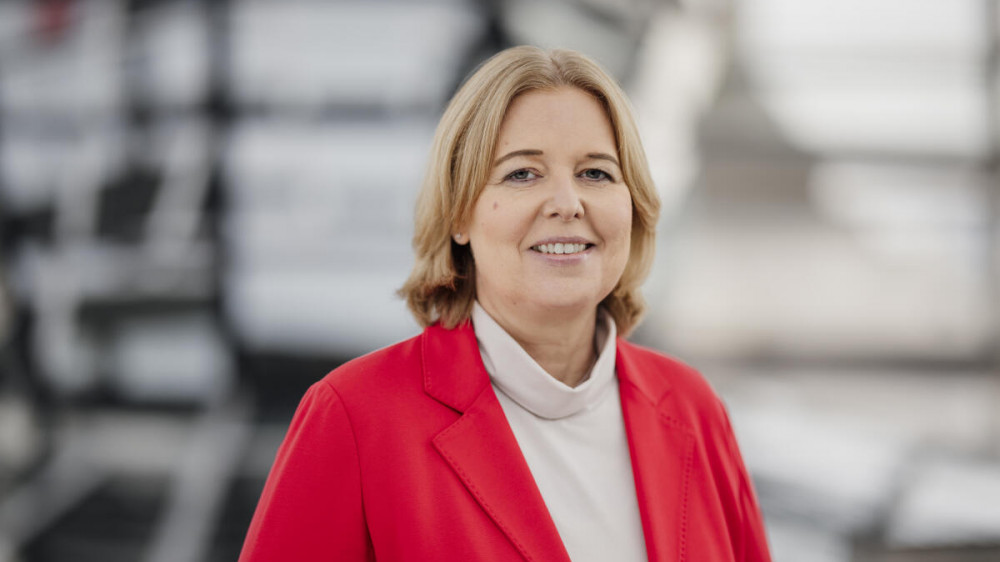
Federal Labor Minister Bärbel Bas (SPD) aims to significantly raise social security contributions for higher earners. The Labor Ministry plans to substantially increase the contribution assessment ceilings for pension, health, and long-term care insurance. A corresponding draft ordinance from the ministry provides for a clear upward adjustment of these ceilings, following the general wage trend. According to the draft, the nationwide wage growth rate in 2024 was approximately 5.16%, forming the basis for the new limits.
The New 2026 Limits: Key Numbers at a Glance
Starting in 2026, the contribution assessment ceilings will rise as follows:
- Statutory Pension Insurance: Increases to a uniform annual limit of €101,400 (monthly: €8,450).
- Statutory Health Insurance (GKV) & Long-Term Care Insurance: Rises to an annual limit of €69,750 (monthly: €5,812.50).
- Mandatory Insurance Threshold (Versicherungspflichtgrenze): This critical limit for opting out of public health insurance increases by €3,600 to €77,400 annually (monthly: €6,450).
Impact on Private Health Insurance (PKV) Access
The rise in the mandatory insurance threshold directly affects access to German Private Health Insurance (PKV). Switching from the public system (GKV) to private insurance will only be possible from a monthly gross income of €6,450 (€77,400 annually), up from €6,150 in 2025. This continues a trend of making the switch to PKV more difficult, limiting this option to an increasingly smaller segment of high earners.
German vs. US Systems: Understanding the Ceilings
For American readers, here's a helpful analogy: Germany's contribution assessment ceilings function similarly to the Social Security wage base and the Medicare Additional Tax threshold in the United States.
- German Pension Insurance Ceiling (€101,400): Comparable to the US Social Security wage base ($168,600 for 2024). Income above this limit is not subject to Social Security (OASDI) payroll tax.
- German Health Insurance Ceiling (€69,750): Has a looser parallel in the US Medicare system. While Medicare taxes (1.45%) apply to all earned income, the Medicare Additional Tax (0.9%) kicks in for high earners (above $200,000 single/$250,000 joint), creating a de facto higher contribution point for very high incomes.
- Mandatory Insurance Threshold (€77,400): This is a uniquely German concept with no direct US equivalent. It creates a two-tiered system where higher earners can choose private insurance, unlike the US system where private insurance (employer or individual) is the primary model for most under 65, and public Medicare is age-based.
Analysis: Trends and Financial Implications
The increase in the mandatory insurance threshold by 4.9% (€3,600) follows a €4,500 rise in 2025. The contribution ceiling for health insurance rises by a sharper 5.4% (€3,600 annually). For the pension and unemployment insurance ceiling, the increase of about 5.0% to €101,400 is slightly lower than the current year's adjustment.
Key takeaway for employees: Earnings above the new monthly ceilings (€5,812.50 for health, €8,450 for pension) will be contribution-free for those specific insurances. However, the higher mandatory threshold further restricts the path to private health insurance, potentially keeping more high-income individuals in the public risk pool.
Conclusion: Navigating a Changing Social Security Landscape
The planned increases for 2026 reflect ongoing adjustments to wage growth and policy goals to strengthen the financial base of Germany's social security systems. For high-earning employees and the self-employed, these changes mean recalculating expected payroll deductions and reassessing long-term insurance choices, particularly regarding private vs. public health insurance. Just as Americans monitor changes to the Social Security wage base and Medicare thresholds, those affected by the German system must stay informed about these annual adjustments to the contribution assessment ceilings for effective financial and health insurance planning.