Telemedicine on Trial: How a Court Case Could Reshape Digital Healthcare in Germany
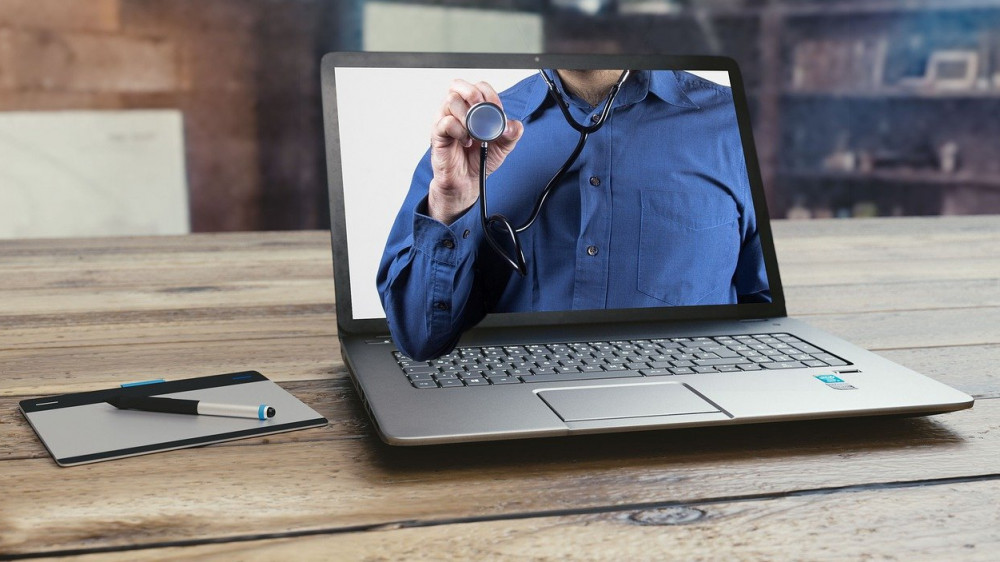
Imagine consulting a doctor, receiving a diagnosis, and getting a prescription without leaving your home. While this is a common reality in countries like Switzerland, Germany's regulations have historically been more restrictive. Now, a landmark case before the German Federal Court of Justice (Bundesgerichtshof, BGH) could significantly expand the legal framework for telemedicine and remote medical diagnoses. The outcome will have direct implications for private health insurance (PKV) providers, digital health startups, and, most importantly, your access to convenient digital healthcare services.
The Case: Ottonova vs. The Status Quo
The dispute centers on the private health insurer Ottonova and its advertising campaign promoting video consultations with doctors via a Swiss telemedicine provider, Eedoctors. Their slogan, "Just stay in bed when you go to the doctor," promised diagnoses, prescriptions, and sick notes through a simple app. The German Competition Center (Wettbewerbszentrale) filed a lawsuit, arguing this violated the German Act on Advertising for Medicinal Products (Heilmittelwerbegesetz, HWG), which traditionally prohibited remote treatments with few exceptions.
Ottonova lost in both the Munich Regional Court and the Munich Higher Regional Court. The courts upheld the principle that an in-person visit is the standard for medical care. However, Ottonova appealed to the BGH—and now sees a potential turning point.
A Legal Shift: The 2019 Amendment to Paragraph 9 HWG
The core of Ottonova's hope lies in a 2019 amendment to Paragraph 9 of the HWG. The revised law now permits remote treatment "...if, according to generally recognized professional standards, a personal medical contact with the person to be treated is not necessary." This change was intended to foster digital innovation and potentially reduce costs in the healthcare system.
During recent hearings, BGH presiding judge Thomas Koch indicated the court might side with Ottonova on certain points, noting that the lower courts' strict adherence to the in-person principle "might not be entirely correct" in light of the new law. The BGH's final ruling, expected in about eight weeks, will provide much-needed clarity on the vague phrase "generally recognized professional standards."
Key Issues and Arguments in the Telemedicine Debate
| Argument For Expanding Telemedicine | Argument For Caution & In-Person Standard |
|---|---|
| Convenience & Access: Provides easier access to care, especially for minor ailments (e.g., colds, prescriptions) or for people in rural areas. | Diagnostic Limitations: A physical examination (listening, palpating) is often crucial for an accurate diagnosis, which is impossible remotely. |
| Cost Efficiency: Can reduce overhead costs for practices and save time for both patients and doctors. | Risk of Misuse: Concerns that patients could more easily obtain sick notes without genuine illness, potentially leading to insurance fraud. |
| Modernization: Aligns German healthcare with digital practices common in other developed nations. | Quality of Care: The foundational doctor-patient relationship and trust may be weakened without personal contact. |
| Pandemic Preparedness: Proven valuable during the COVID-19 crisis for safe consultations. | Legal Precedent: Other courts, like the Federal Social Court, have ruled against certifying incapacity for work (sick notes) via remote diagnosis alone. |
For US Readers: This debate mirrors the evolution of telemedicine regulations in the United States. While services like Teladoc or insurer-provided virtual visits are now common, they also navigated state-by-state licensing laws and reimbursement rules from Medicare and private insurers. The German case is about defining the legal and professional boundaries for this new model of care.
What This Means for Your Health Insurance and Care
The BGH's decision will be a watershed moment for the German healthcare landscape:
- For PKV Providers: Insurers like Ottonova that focus on digital services could legally integrate comprehensive telemedicine into their product offerings, creating a competitive advantage and appealing to tech-savvy customers.
- For Patients: You could gain faster, more convenient access to medical advice for non-emergency issues. However, it will be crucial to understand the limitations and know when an in-person visit is still essential.
- For the System: A pro-telemedicine ruling could accelerate the digitization of German healthcare, influencing everything from doctor's practices to how health insurance claims are processed.
Looking Ahead: A New Standard for Digital Care?
As we await the verdict, one thing is clear: the fusion of healthcare and technology is inevitable. The question is how Germany will regulate it. This case isn't just about one insurer's advertisement; it's about defining the future standard of care. Whether for a follow-up consultation or an initial diagnosis for a minor condition, the ruling will determine how "close" you need to be to your doctor in the digital age. It's a decision that will shape your health insurance benefits and your healthcare experience for years to come.