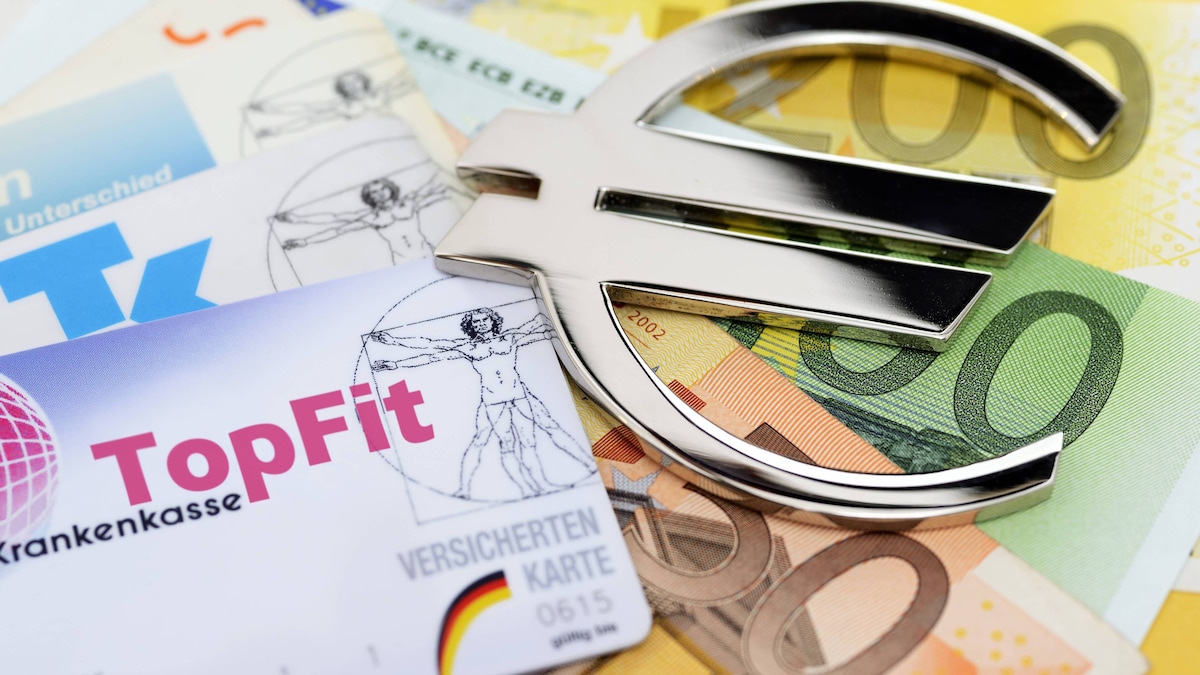
Public Health Insurance Costs Skyrocket: Facing Up to €2,239 More in 2025
Are you prepared for a significant jump in your health insurance premiums? For millions in Germany, 2025 brings a stark financial reality: the cost of statutory health insurance (Gesetzliche Krankenversicherung, or GKV) is hitting a record high. With most insurers raising their supplementary contributions, individuals could pay up to €2,239 more annually. This trend of rising costs is a global concern, mirroring challenges in the US healthcare system where private health insurance premiums and Medicare costs also continue to climb. Understanding the drivers and your options is crucial for your financial health.
The 2025 Premium Hike: By the Numbers
The core issue is a massive funding shortfall within the public system. The supplementary contribution is a variable tool insurers use to balance their books. For 2025, the data is clear:
- 60 out of 72 nationally operating public health insurers are increasing their supplementary contribution.
- The highest single increase is a jump of 2.40 percentage points.
- Supplementary contribution rates for 2025 will range from 1.84% to 4.40%.
This translates to a heavy burden for insured individuals and families, but the exact impact depends on your employment status and income.
Who Pays More? Impact on Employees, High Earners, and the Self-Employed
| Group | Key Change for 2025 | Estimated Annual Cost Increase | US Context / Analogy |
|---|---|---|---|
| Average Employee (€45k income) | Higher supplementary contribution. | €540 (employee's share of total €1,080 increase). | Similar to an increase in employee premium share for employer-sponsored group health insurance. |
| High-Earning Employees (above income threshold) | Higher supplementary contribution AND a raised income ceiling for contributions (€66,150). | Up to €1,120 more (each for employee & employer). | Analogous to hitting higher Medicare Part B income-related monthly adjustment amounts (IRMAA) in the US. |
| Self-Employed (above income threshold) | Must bear the full contribution increase alone. | Up to €2,239 more. | Similar to a self-employed individual facing steep premium hikes on the ACA marketplace or for private insurance. |
Your Power to Save: The Critical Importance of Comparing Insurers
While the news is daunting, you have a powerful tool: the ability to switch insurers. In Germany's public system, core benefits are 95% standardized by law, making a switch primarily a financial decision without sacrificing essential coverage.
- Potential Savings: By switching to a more affordable public insurer, an employee (and their employer) can save up to €847 per year. A self-employed person can save up to €1,693.
- How to Compare: Look beyond the premium. Compare additional benefits like travel vaccinations, subsidies for professional dental cleanings, osteopathic treatments, or bonus programs for healthy behavior. These can add significant value.
- Switching is Simple: If you've been insured with your current fund for at least 12 months or are affected by a premium increase, you can switch easily with a two-month notice period.
Considering Private Health Insurance (PKV)? A Word of Caution
Faced with rising public costs, some may consider switching to German private health insurance (PKV). This is a major decision with long-term consequences, akin to an American forgoing employer-sponsored or Medicare coverage for a comprehensive individual health plan. Before making this move, experts advise thoroughly checking four key points: your long-term health prognosis, future income stability, age, and family planning. Private insurance often has risk-based premiums that can rise sharply with age and health status.
Actionable Steps to Manage Your Health Insurance Costs
- Run an Annual Comparison: Never auto-renew. Use the end of the year to compare all available public insurers. The premium difference can be substantial.
- Understand Your True Costs: Calculate your total annual burden, including the base contribution, the new supplementary rate, and any income-ceiling effects.
- Evaluate Added Value: Decide which extra benefits are important to you and factor them into your comparison.
- Seek Professional Advice for Major Changes: If considering a switch to private insurance, consult an independent insurance advisor to understand the lifelong implications.
Rising health insurance costs are a complex, systemic issue in Germany, the US, and beyond. While you can't control the market, you can control your response. By being proactive, comparing plans annually, and making informed choices, you can protect your budget without compromising on the healthcare coverage you need.