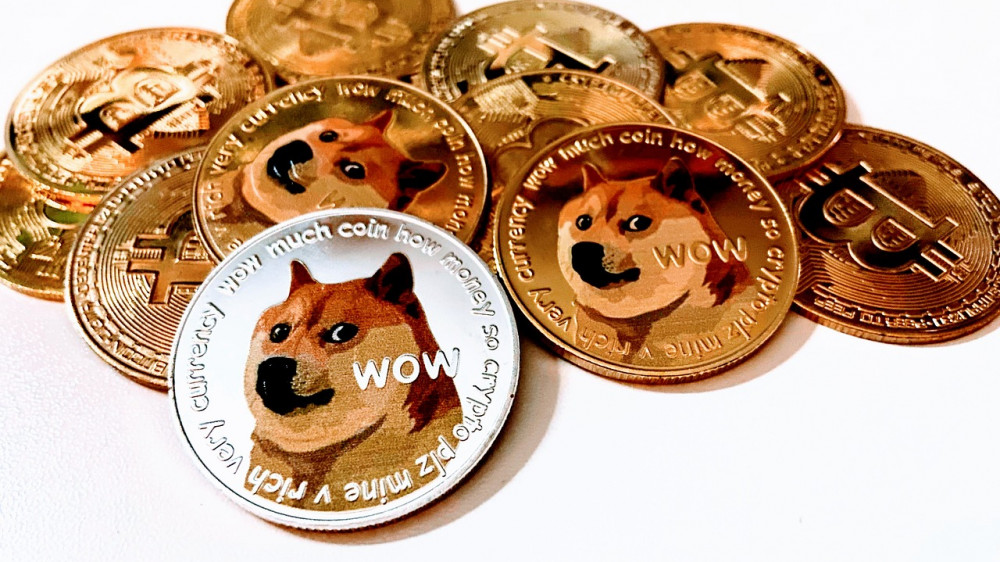
Bitcoin, Dogecoin & Crypto Taxes: German Court Rules Gains Are Taxable
For advocates of cryptocurrency, digital assets represent financial freedom—decentralized and beyond the reach of traditional state and central bank control. However, a landmark ruling from Germany's Federal Fiscal Court (Bundesfinanzhof) has delivered a sobering reality check: the taxman's reach extends into the blockchain. The court decisively rejected an anonymous plaintiff's argument that cryptocurrencies like Bitcoin and Dogecoin are merely algorithms and not taxable economic goods. This ruling definitively clarifies that crypto gains are subject to German income tax, aligning digital assets with other property like collectibles and closing a significant gray area for investors.
The Court's Decision: Cryptocurrencies as "Other Economic Goods"
The plaintiff, who reported €3.4 million in crypto gains for 2017 but refused to pay tax, argued that virtual currencies lacked the substance of real economic assets. The IX. Senate of the Federal Fiscal Court firmly disagreed. The judges established that because cryptocurrencies have a market value and are traded on platforms, they qualify as "other economic goods" (andere Wirtschaftsgüter), comparable to vintage cars or art. Technical details about their algorithmic nature are irrelevant for tax classification; what matters is their tradability and independent valuation.
Key Tax Rules for Crypto Investors in Germany
Following this ruling, the standard German tax rules for private disposal transactions (private Veräußerungsgeschäfte) apply clearly to cryptocurrencies:
- One-Year Holding Period: This is the critical rule. If you buy and sell (or trade) a cryptocurrency within 365 days, any profit is fully taxable as income.
- Tax-Free After One Year: If you hold the asset for more than one year before disposing of it, the capital gain is tax-free. This incentivizes long-term holding.
- Reporting Requirement: You are legally obligated to report taxable crypto gains in your annual income tax return (Anlage SO).
- Loss Offset: Capital losses from crypto transactions can be offset against other capital gains within the same year.
The case reference is Bundesfinanzhof, Az.: IX R 3/22.
| Transaction Type | Holding Period | Tax Consequence |
|---|---|---|
| Selling/Trading Crypto for EUR or another crypto | Less than 1 year | Gains are taxable as income (added to your personal income tax rate). |
| Selling/Trading Crypto for EUR or another crypto | More than 1 year | Gains are tax-free. |
| Using Crypto to Pay for Goods/Services | Any period | Considered a disposal; if held <1 year, the gain between purchase price and fair market value at time of payment is taxable. |
| Mining & Staking Rewards | N/A (Acquisition) | Rewards are taxed as other income at their fair market value upon receipt. A subsequent sale may also trigger capital gains tax. |
Can the Tax Authority Actually Track Crypto Transactions?
A common misconception is that crypto's pseudonymity guarantees tax invisibility. This is increasingly false. German tax authorities (Finanzamt) have several powerful tools at their disposal:
- Know-Your-Customer (KYC) at Exchanges: Reputable centralized exchanges (like Coinbase, Kraken, Binance) require identity verification (passport, selfie). They are legally obligated to report certain transaction data to authorities under international regulations like DAC8.
- Blockchain Analysis: Every Bitcoin and Ethereum transaction is permanently recorded on a public ledger. Specialized firms (like Chainalysis) and authorities use software to analyze these blockchains, cluster addresses, and link them to real-world identities, especially when crypto is converted to fiat currency at a regulated exchange.
- International Cooperation: The EU and agencies like Interpol are developing advanced tools, often using artificial intelligence, to trace crypto flows and identify users.
- Privacy Coins & Mixers: While coins like Monero offer greater privacy, forensic techniques are advancing. Academic research has shown that even transactions using mixers or swap services can often be de-anonymized with sufficient effort and resources.
The bottom line: assuming your crypto activity is untraceable is a high-risk gamble that could lead to severe penalties for tax evasion.
Your Action Plan for Compliant Crypto Investing
To stay on the right side of the law, adopt these practices:
- Keep Meticulous Records: Log every buy, sell, trade, and receipt (from mining/staking) with dates, amounts in EUR (at time of transaction), and wallet addresses. Use a dedicated portfolio tracker or spreadsheet.
- Understand the 1-Year Clock: Track the acquisition date of every crypto asset. The clock resets if you trade one crypto for another; it's considered a disposal of the first asset.
- Use Professional Tax Software or an Advisor: Given the complexity, consider using crypto tax software that integrates with German tax forms or consulting a tax advisor experienced in cryptocurrency.
- Report Proactively: Do not wait for the tax office to inquire. Accurately report all taxable events in your annual return.
- Declare Mining/Staking Income: Remember that receiving new coins is a taxable event in the year it occurs.
Conclusion: The German Federal Fiscal Court's ruling removes any ambiguity: cryptocurrencies are taxable assets. The one-year holding period rule provides a clear path to tax-free gains for long-term investors, but short-term trading incurs income tax. In an era of sophisticated blockchain surveillance, transparency and compliance are the only prudent strategies. By maintaining rigorous records, understanding the rules, and seeking professional advice, you can navigate the exciting world of crypto investment while fulfilling your legal obligations and avoiding costly confrontations with the tax authority.