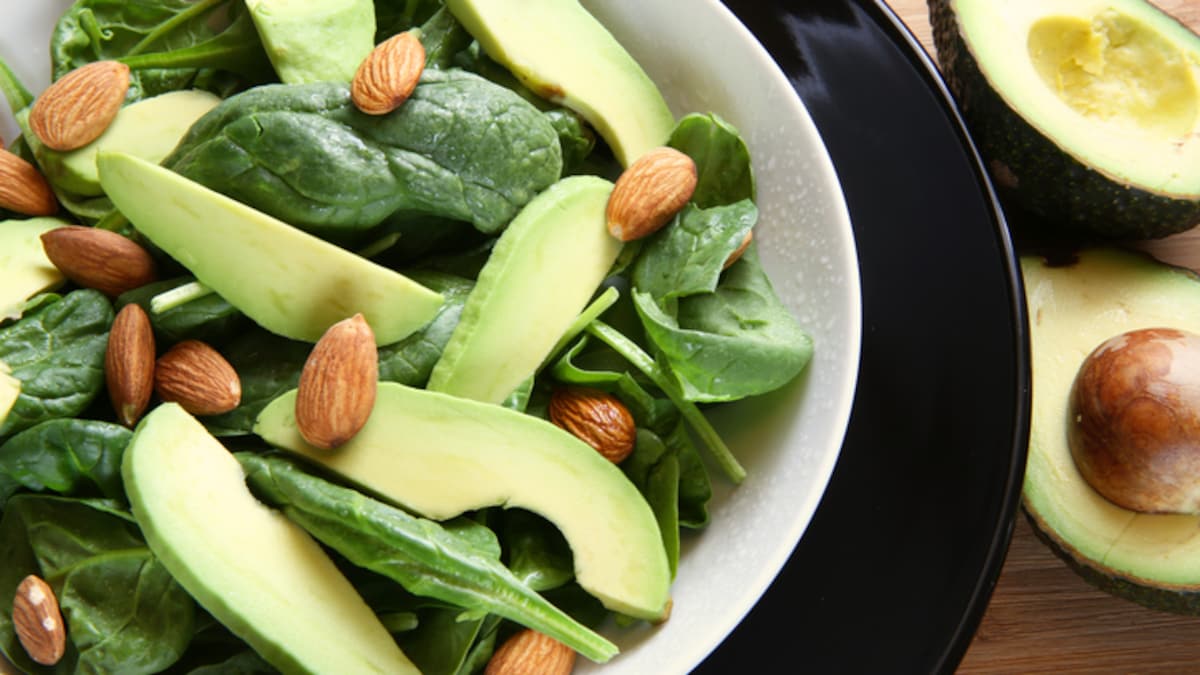
Food as Medicine: The Top Superfoods to Combat Common Chronic Diseases
You've heard the saying, "You are what you eat." But what if your diet could be your most powerful tool to prevent, manage, or even reverse common chronic diseases? According to leading nutritional physician Dr. Matthias Riedl, the answer is a resounding yes. In an era where chronic conditions like high blood pressure, fatty liver disease, and dementia are on the rise, turning to evidence-based nutrition is not just wise—it's essential for long-term wellness and effective health management.
Think of your diet as a form of daily preventive healthcare. Just as you would choose a health insurance plan—whether it's a comprehensive private medical insurance policy or navigating Medicare benefits—to protect against unforeseen medical costs, choosing the right foods is an investment in your body's resilience. This proactive approach can help reduce your risk of developing costly chronic conditions, potentially lowering your lifetime healthcare expenses. Let's explore Dr. Riedl's top food recommendations for some of today's most prevalent health challenges.
1. Combating Atherosclerosis (Artery Hardening)
The Problem: Atherosclerosis, the buildup of plaque in your arteries, is a primary driver of heart attacks and strokes. While aging plays a role, lifestyle factors like diet accelerate it.
Top Food Allies:
- Fatty Fish (Salmon, Mackerel, Sardines): Rich in Omega-3 fatty acids (EPA & DHA), which reduce inflammation and triglyceride levels, helping to keep arteries clear.
- Leafy Green Vegetables (Spinach, Kale): Packed with dietary nitrates, which the body converts to nitric oxide—a compound that helps relax and dilate blood vessels.
- Nuts & Seeds (Walnuts, Flaxseeds, Chia Seeds): Excellent sources of plant-based Omega-3s (ALA), fiber, and antioxidants that support heart health.
2. Managing High Blood Pressure (Hypertension)
The Problem: Chronically elevated blood pressure strains your heart and damages blood vessels, increasing the risk of heart disease, stroke, and kidney failure.
Top Food Allies:
- Beets & Beetroot Juice: Their high nitrate content is clinically shown to help lower systolic blood pressure.
- Berries (Blueberries, Strawberries): Loaded with flavonoids and antioxidants that improve blood vessel function.
- Garlic: Contains allicin, a compound known to have a mild blood pressure-lowering effect and anti-inflammatory properties.
3. Supporting Brain Health & Fighting Dementia
The Problem: Dementia involves a decline in cognitive function. Research links diet to brain health, particularly through reducing inflammation and oxidative stress.
Top Food Allies:
- Turmeric (Curcumin): Its active compound, curcumin, has potent anti-inflammatory and antioxidant effects and may help clear amyloid plaques associated with Alzheimer's.
- Leafy Greens (again!): High in vitamin K, lutein, and folate, which are linked to slower cognitive decline.
- Walnuts: Resemble the brain for a reason! They are rich in DHA, a type of Omega-3 fat crucial for brain cell health.
4. Reversing Fatty Liver Disease (NAFLD)
The Problem: Non-alcoholic fatty liver disease (NAFLD) is often a "silent" condition where fat accumulates in liver cells, driven by sugar and processed carbs.
Top Food Allies:
- Coffee: Multiple studies show that coffee consumption is associated with a lower risk of liver fibrosis and cirrhosis in NAFLD patients.
- Green Tea: Rich in catechins, antioxidants that may help reduce liver fat and inflammation.
- Avocado: Provides healthy monounsaturated fats and glutathione, an antioxidant that supports liver detoxification.
5. Additional Key Conditions & Their Food Heroes
- For Migraines: Magnesium-rich foods like spinach, almonds, and pumpkin seeds may help, as magnesium deficiency is linked to migraine frequency.
- For Osteoporosis: Calcium & Vitamin D duo: Leafy greens, fortified plant milks, fatty fish (for Vitamin D), and sunlight exposure.
- For Irritable Bowel Syndrome (IBS): Probiotic-rich foods like kefir, kimchi, and sauerkraut, plus soluble fiber from oats and psyllium husk to feed good gut bacteria.
- For Type 2 Diabetes: High-fiber, low-glycemic foods like legumes (lentils, chickpeas), non-starchy vegetables, and cinnamon (which may help improve insulin sensitivity).
The Big Picture: Your Diet is Your First Line of Defense
Dr. Riedl's recommendations underscore a powerful truth: a diet centered on whole, unprocessed foods—rich in vegetables, fruits, healthy fats, and lean proteins—is foundational medicine. Incorporating these superfoods consistently can create a synergistic effect, reducing systemic inflammation, balancing blood sugar, and protecting your vital organs.
This nutritional strategy is a core component of proactive health management. In the context of the complex US healthcare system, where understanding your health insurance coverage—from private plans to Medicare/Medicaid—is key to accessing care, taking charge of your diet is the one aspect of your health you can control daily. It's an empowering, cost-effective way to build a healthier future, potentially reducing your dependence on medications and lowering your risk for expensive medical interventions down the line. Start by adding one or two of these powerful foods to your next meal—your body will thank you for years to come.