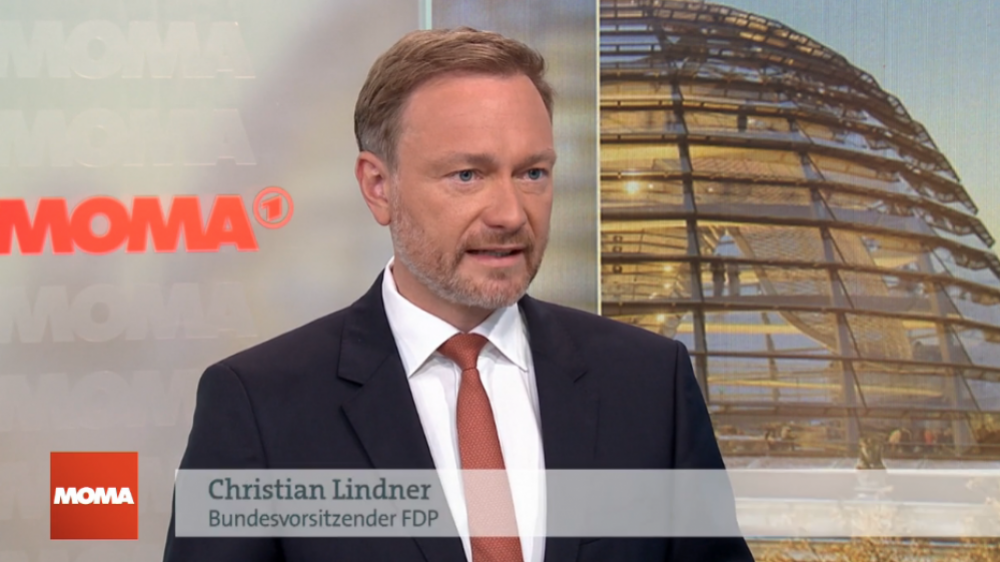
German Finance Minister Hints at Riester Pension Optimization and Stock-Based Pension Plans
What does the future hold for your retirement planning in Germany? In a notable interview on the Instagram account of Bastian Kunkel ("Versicherungen mit Kopf"), German Finance Minister Christian Lindner (FDP) provided key insights into upcoming pension reforms. The conversation focused on the implementation of the proposed "Aktienrente" (stock-based pension) and potential optimizations for the much-discussed Riester pension. For anyone navigating private pension plans, life insurance, or working as a financial advisor, these developments are crucial to understand.
The interview highlights how modern insurance agents and financial advisors can use platforms like social media to engage directly with policymakers on issues central to their clients' futures.
The "Aktienrente": Implementation and Long-Term Vision
Minister Lindner confirmed that a joint working group with the Federal Ministry of Labor has been established to develop a concrete concept for integrating a capital-funded component into the first pillar of Germany's pension system (the statutory pay-as-you-go system). This reform, part of the broader "Heil'sche Rentenreform," aims to create a buffer against demographic pressures.
However, Lindner was candid about the timeline, noting that it will take time for this model to provide tangible relief. This underscores a critical point for retirement planning: state-sponsored reforms are a long-term project, making private supplemental insurance and personal investment through vehicles like Riester or private pension insurance (Rürup) essential for near- and medium-term security.
Beyond State Pensions: Improving Private Capital-Backed Options
Lindner emphasized that pension reform must go further, also improving private, capital-backed retirement savings. He pointed to the already legislated increase in the "Sparerpauschbetrag" (investor's allowance) starting next year, which allows for more tax-free investment income.
More significantly, he addressed product-side issues, specifically mentioning the level of distribution costs and investment regulations that can hinder returns. This critique leads directly to the topic of the Riester pension.
The Riester Pension: Acknowledging the Need for Optimization
When asked about the Riester pension, Lindner offered a balanced but promising assessment: "The Riester pension is a product that can be optimized and thereby made to work even better for customers."
This statement signals potential government openness to reforming the often-criticized Riester system, which could involve adjusting fee structures, expanding investment flexibility, or simplifying bureaucracy. For insurance advisors and consumers, this represents a hopeful sign that the product's accessibility and attractiveness could be enhanced. However, Lindner acknowledged that achieving consensus within the coalition government remains a challenge.
Other Key Points from the Discussion:
- Pension Mandate for the Self-Employed: Lindner defended the planned pension obligation for self-employed individuals, arguing for broader participation in the retirement system.
- Company Pension Plans (bAV): He also hinted at upcoming improvements to the betriebliche Altersvorsorge (bAV), Germany's occupational pension scheme, which is a critical component of many employees' retirement strategies.
What This Means for Your Retirement Planning
For individuals, the message is clear: while state-led reforms like the Aktienrente are in the pipeline, they are a long-term solution. Proactive private retirement planning remains indispensable. The potential optimization of the Riester pension could make it a more viable tool, but exploring all options—including private pension insurance, , and company pensions—with a qualified financial advisor is the best course of action.
For insurance professionals and brokers, this interview reinforces the importance of staying informed on policy changes and being prepared to guide clients through an evolving landscape of retirement products, from state supplements to private life and pension insurance solutions.
While the industry addresses operational challenges, policy discussions like these shape the fundamental products and environment in which insurance advisors and financial planners operate, directly impacting long-term client outcomes.