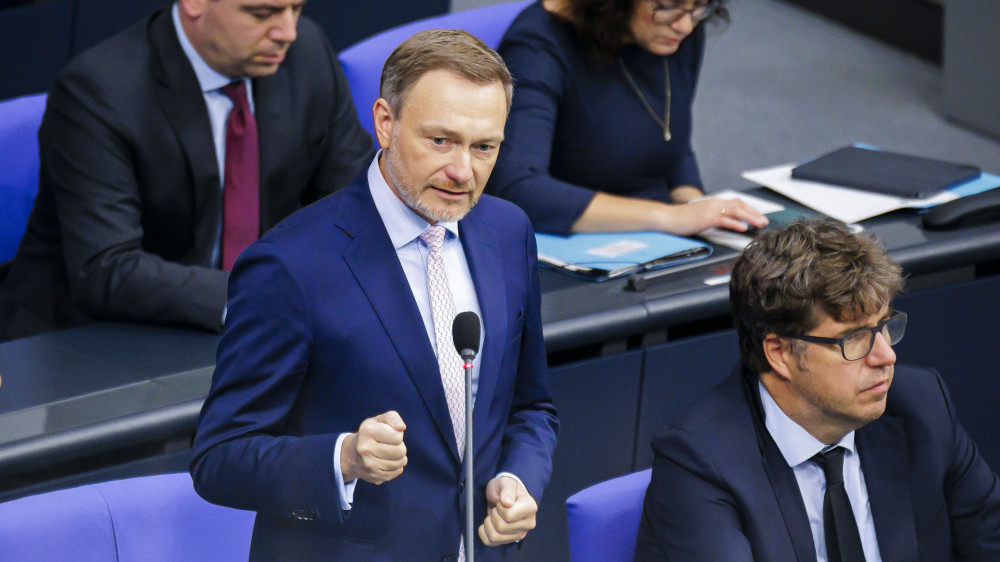
German Social Security Systems at Risk: Why Lindner Warns Pensions, Health & Care Are Unsustainable
If you are relying on Germany's public social security systems for your retirement, a recent warning from Finance Minister Christian Lindner should be a wake-up call. The latest government "Sustainability Report" concludes that the statutory pension insurance (gesetzliche Rentenversicherung), statutory health insurance (GKV), and long-term care insurance (Pflegeversicherung) are "not financially sustainable in their current form in the long term." This stark assessment, driven by an aging population and economic pressures, signals that future benefits may be at risk. For American readers, this mirrors concerns about the long-term solvency of Social Security and Medicare. Understanding this crisis is the first step in taking control of your own retirement planning and financial security.
The Core Problem: Demographics and Debt
The report, mandated each legislative term, projects public finances to 2070. Despite a slightly improved demographic forecast, the overall sustainability of public finances has worsened since the 2020 report. Key findings include:
- Soaring Public Debt: Under an unfavorable scenario, Germany's public debt could balloon to 345% of GDP by 2070. Even in a favorable scenario, it would reach 140%—far above the EU's 60% Maastricht Treaty limit.
- Demographic Spending Pressures: Age-related spending on pensions, health, and care already accounts for 27.3% of GDP and could rise to over 36% by 2070.
- Economic and Crisis Aftermath: The economic fallout from the pandemic and energy crisis, combined with higher assumed costs for healthcare and pensions, has significantly widened the financial gap.
Economist Thiess Büttner summarizes the dilemma in an interview: "Fewer citizens work, so the state collects fewer taxes and social security contributions—while more citizens receive pension or welfare benefits."
Implications for Your Retirement and Insurance
Minister Lindner's statement is a direct call for structural reforms. For you, this means the public pension system you pay into today may not provide the same level of benefits when you retire. Similarly, rising costs threaten the stability of public health and long-term care insurance, potentially leading to higher contributions, reduced services, or both. The recent pension reform, which fixes the pension level at 48%, is criticized for actually widening the sustainability gap rather than solving it.
German Social Security vs. US Systems: A Comparative Perspective
| System | Germany (Current Challenge) | United States (Analogous Challenge) | Key Risk for Individuals |
|---|---|---|---|
| Pensions / Retirement | Statutory Pension Insurance (gesetzliche Rentenversicherung) facing unsustainable pay-as-you-go financing. | Social Security Trust Funds projected to be depleted by the 2030s, requiring reforms. | Heavy reliance on a single public system risks benefit cuts or later retirement ages. |
| Health Insurance | Statutory Health Insurance (GKV) burdened by aging population and high medical costs. | Medicare Hospital Insurance Trust Fund faces insolvency risks; rising premiums. | Future coverage may be less comprehensive or more expensive than planned. |
| Long-Term Care | Statutory Long-Term Care Insurance (Pflegeversicherung) underfunded with rising demand. | Medicaid is primary payer but requires asset spend-down; private LTCI market is volatile. | Catastrophic out-of-pocket costs can destroy retirement savings without private planning. |
Your Action Plan: How to Build Financial Resilience
Waiting for political solutions is a risky strategy. To secure your future, you must take proactive steps now. Here is your action plan for retirement security:
- Diversify Your Retirement Income: Do not rely solely on the state pension. Maximize contributions to private pension plans (Riester-Rente, Rürup-Rente), company pensions (bAV), and personal investments. In the U.S., this means fully funding 401(k)s and IRAs.
- Review Your Health & Care Coverage: Investigate supplementary private health insurance (private Krankenversicherung - PKV or Zusatzversicherung) to cover gaps in public care. For long-term care, consider private long-term care insurance (Pflege-Zusatzversicherung) early, as premiums rise with age.
- Conduct a Financial Sustainability Check: Use online calculators or consult a fee-only financial advisor to project your future income needs against potential social security shortfalls. Factor in rising healthcare and care costs.
- Stay Politically Informed: Follow debates on social security reforms. Proposed changes to contribution rates, benefit levels, or retirement ages will directly impact your plan. Adapt your strategy accordingly.
- Build a Robust Emergency Fund: Ensure you have liquid savings to cover unexpected expenses, reducing the need to tap retirement funds prematurely during economic or policy shifts.
Finance Minister Lindner's warning is clear: the current path is unsustainable. While politicians debate reforms, your financial future is ultimately in your hands. By treating public benefits as a potential base—not a complete solution—and building a diversified, private safety net, you can achieve true financial independence and retire with confidence, regardless of the state of the national systems. Start your comprehensive retirement planning today.