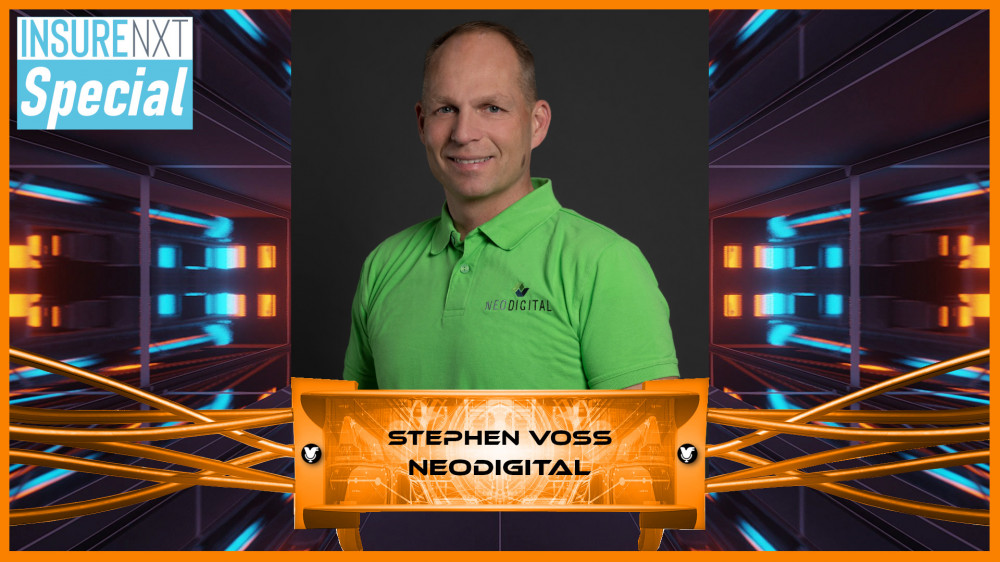
Coopetition in Insurance: How HDI and Neodigital Partner to Revolutionize Claims Processing
What will the insurance industry look like on February 3, 2030? While many predict disruption, a more collaborative future is already taking shape through a strategy known as coopetition—a blend of cooperation and competition. In an exclusive interview, Stephen Voss, Board Member for Sales & Marketing at Neodigital, reveals how this model is actively transforming claims management, one of the most critical and costly functions in insurance.
This partnership between the established insurer HDI and the tech-driven Neodigital is a case study in modern insurance innovation. It demonstrates how strategic collaboration can tackle industry-wide challenges like claims backlogs, rising frequencies, and talent shortages, ultimately leading to faster service, better customer experience, and lower insurance costs for policyholders.
What is Coopetition and Why Does It Matter for Insurance?
Coopetition is a strategic concept where competing companies collaborate in specific areas to create mutual value. In insurance, this means carriers and InsurTechs can work together on shared pain points—like inefficient claims processing—while still competing in other areas like product design or customer acquisition.
Why it's crucial now: The insurance sector faces immense pressure from digital transformation, rising customer expectations, and a shrinking talent pool. No single company, whether a legacy insurer like HDI or a tech firm like Neodigital, can solve these challenges alone. Coopetition allows for pooling resources, expertise, and technology to build solutions that benefit the entire ecosystem, similar to how hospitals and outpatient clinics collaborate within a broader healthcare network.
The HDI-Neodigital Partnership: A Blueprint for Collaboration
In this landmark partnership, Neodigital provides key technologies that HDI integrates into its claims workflow. The goal is straightforward: make processes faster for end-customers and sales channels, improve service quality, and reduce operational costs.
How it works in practice: Neodigital's technology likely automates and streamlines core parts of the claims journey. This could include:
- AI-Powered Triage & Documentation: Using artificial intelligence to instantly categorize claims (auto insurance fender-bender vs. home insurance water damage), extract data from submitted photos or documents, and route them to the appropriate handler.
- Automated Workflows: Reducing the manual "shoving of PDFs from left to right," as Voss describes the tedious, repetitive tasks that bog down skilled claims adjusters.
- Enhanced Customer Interface: Providing policyholders with a seamless, transparent digital portal to submit and track their claims, improving satisfaction and reducing call center volume.
This collaboration allows HDI to leverage best-in-class digital tools without building them from scratch, while Neodigital gains scale and industry credibility.
The Indispensable Role of Artificial Intelligence (AI)
For Stephen Voss, AI is not just a buzzword; it's an essential tool for survival, especially given demographic shifts and the specialist shortage in insurance. "We are burdening the few specialists we have with recurring, boring tasks... We want to deploy specialists where we urgently need them," he explains.
In claims management, AI acts as a force multiplier:
| Challenge | AI Solution | Business & Customer Benefit |
|---|---|---|
| Manual Data Entry & Document Processing | Optical Character Recognition (OCR) & Natural Language Processing (NLP) | Faster claims settlement, lower operational costs, reduced errors. |
| Fraud Detection | Predictive Analytics & Pattern Recognition | Lower loss ratios, which can help stabilize insurance premiums for honest customers. |
| Resource Allocation | Intelligent Routing & Prioritization | Complex claims get expert human attention faster; simple claims are automated. |
InsurTechs, BigTechs, and the Future of Insurance
Voss also provides a nuanced view on the roles of InsurTechs and BigTechs (like Google, Amazon):
- InsurTechs as Enablers: Companies like Neodigital are partners in evolution, not agents of disruption. Their goal is to provide the technological "plumbing" that helps traditional insurers modernize.
- BigTechs Are Not the Enemy: Contrary to many fears, Voss believes BigTechs pose no existential threat. "If BigTechs wanted to enter the insurance industry, they would have done so long ago." Their interest likely lies in providing cloud infrastructure, AI services, or distribution platforms, not in becoming regulated insurance carriers dealing with complex insurance regulations and legacy liabilities.
Key Takeaways for the Insurance Industry
The HDI-Neodigital coopetition model offers a powerful template for the future:
- Embrace Strategic Partnerships: The path to efficient claims management and digital transformation often lies in collaboration, not solitary innovation.
- Leverage AI to Empower Human Talent: Use technology to free skilled employees from mundane tasks, allowing them to focus on complex judgment, customer empathy, and fraud investigation.
- Focus on Shared Goals: Successful coopetition requires aligning on a common objective—such as radically improving the customer claims experience—that benefits all parties.
- Think Evolution, Not Revolution: The future of insurance is about smartly integrating new technologies into proven business models to make them more efficient and customer-friendly.
As for the number of faxes the industry will send in 2030? Voss's insights suggest that through coopetition and technology adoption, that number will hopefully be vanishingly small.
For more insights on the future of insurance, the role of AI, and why coopetition is key, listen to the full interview with Stephen Voss.