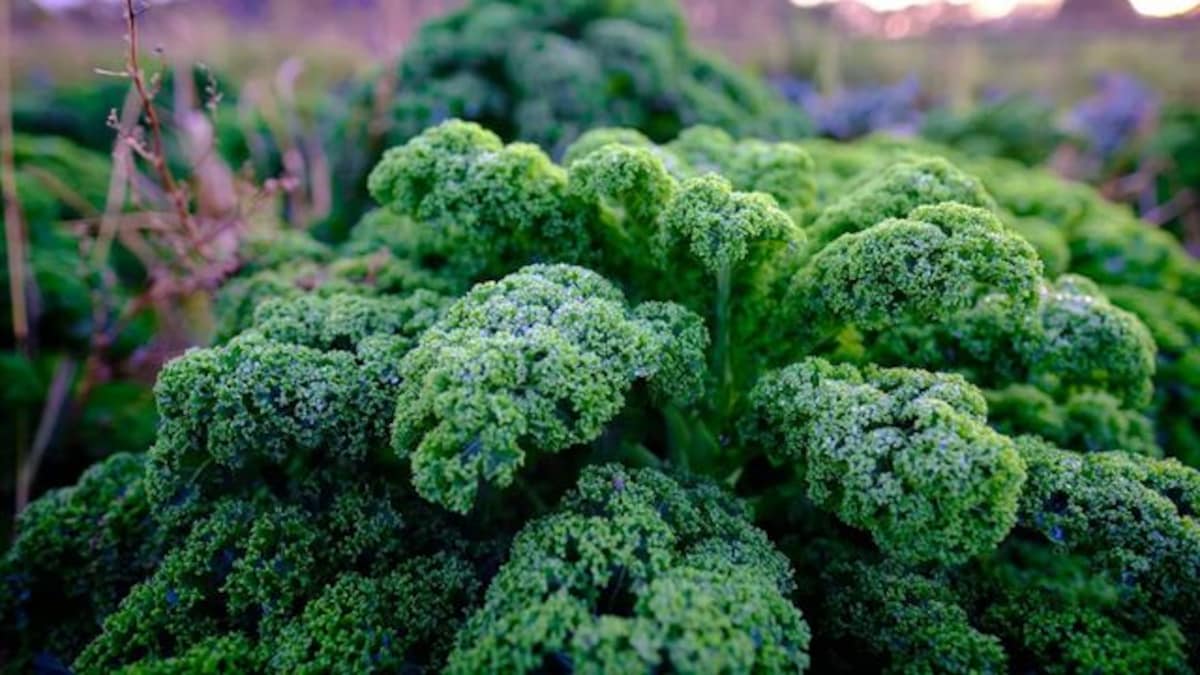
Why Kale is a Winter Superfood: Nutrition, Recipes & Health Benefits
When the temperature drops, your body craves nourishment that's both comforting and fortifying. You might reach for trendy superfoods like quinoa or avocado, but the ultimate winter superfood is likely growing locally in your region right now: kale. This hardy green, once a humble side dish, has rightfully earned its place as a nutritional powerhouse. Packed with more vitamins, minerals, and antioxidants than most vegetables, kale offers proven health benefits that can support your well-being through the cold season. Investing in your health with nutrient-dense foods is as smart as choosing the right health insurance plan—whether you're considering German private insurance (PKV), public insurance (GKV), or in the US, comparing private medical insurance with Medicare and Medicaid. Let's explore why you should make kale a staple on your winter table.
Kale's Seasonal Sweet Spot: Why Winter is Best
Unlike summer crops, kale thrives in the cold. Frosty temperatures trigger the plant to produce natural sugars as a defense mechanism, which translates into a sweeter, more complex flavor for you. This means the kale harvested in winter is not only at its peak taste but also densely packed with the nutrients your body needs during this season. It's nature's perfect timing for seasonal nutrition.
The Nutritional Profile: A True Superfood
Calling kale a superfood is no exaggeration. Its nutritional density is exceptional, offering a wide array of health benefits that act like a comprehensive wellness plan for your body.
- Immune System Booster: Kale contains more Vitamin C than lemons by weight. Just 100 grams can meet your daily requirement, and it's also a good source of zinc, making it a powerful ally for your immune health.
- Heart Health Guardian: Rich in flavonoids, kale helps inhibit inflammation, lower cholesterol levels, and prevent heart disease. These compounds protect your cells just as they protect the plant from environmental stress.
- Digestive Aid: High in fiber, kale promotes a healthy gut microbiome and aids digestion. It provides a strong feeling of satiety for very few calories (about 40 kcal per 100g), supporting weight management goals.
- Potential Cancer Prevention: Studies suggest that sulforaphane and other glucosinolates found in kale may have cancer-preventive and inhibitory properties, offering another layer of preventative health benefits.
Beyond the Plate: Kale's Versatile Uses
Kale's benefits aren't limited to your diet. Its high antioxidant content, including carotenoids, has made it a popular ingredient in natural skincare, believed to help slow the skin's aging process when used in face masks. This holistic benefit mirrors a comprehensive health insurance approach that covers various aspects of well-being.
How to Prepare Kale to Maximize Nutrients
To preserve its precious nutrient profile, avoid boiling kale for long periods. Modern, nutrient-conscious preparation methods are key:
- Raw: Perfect for smoothies or finely chopped in salads.
- Lightly Cooked: Blanching, steaming, or sautéing for a short time retains most vitamins.
- As Kale Chips: Toss leaves with a little oil and seasoning, then bake at a low temperature (100-160°C) for a crispy, healthy snack.
- In Pesto: Blend kale with garlic, olive oil, hard cheese, and walnuts for a vibrant, nutrient-packed pasta sauce or condiment.
Smart Storage Tips for Freshness
Keep fresh, unwashed kale in the refrigerator wrapped in a damp cloth; it can last up to five days. Wash and remove tough stems only right before use. To freeze kale for long-term storage, blanch it briefly in boiling water, cool, and then portion it into freezer bags.
Kale & Health Insurance: An Analogy for Proactive Wellness
Incorporating kale into your diet is a form of proactive, daily health investment, similar to securing a good health insurance plan. Kale provides broad-spectrum nutritional "coverage"—boosting immunity (like preventative care), protecting your heart (like major medical coverage), and aiding digestion (like wellness benefits). Choosing this local, seasonal superfood over expensive imports is like choosing a cost-effective insurance plan that perfectly covers your essential needs without unnecessary extras.
| Aspect | Kale (Nutritional Investment) | Health Insurance (Financial Protection) | Core Benefit |
|---|---|---|---|
| Primary Function | Delivers dense vitamins, minerals, antioxidants. | Provides coverage for medical treatments and care. | Foundational protection for your well-being. |
| Preventative Role | Boosts immunity, may prevent chronic disease. | Covers check-ups, screenings, preventative care. | Reduces risk of future major health issues. |
| Cost-Effectiveness | Inexpensive, local, seasonal superfood. | Plans like GKV/Medicaid offer essential, affordable coverage. | High value for long-term health security. |
| Holistic Benefit | Supports physical health, energy, skin. | Provides peace of mind and financial stability. | Contributes to overall quality of life. |
Make Kale Your Winter Wellness Strategy
This winter, embrace kale as your go-to ingredient for robust health. Experiment with it in smoothies, as crispy chips, in hearty stews, or as a pesto. By making this simple, powerful addition to your diet, you're taking a tangible step toward strengthening your body against seasonal challenges. It's a delicious, natural way to invest in your long-term health and wellness, complementing the security provided by a well-chosen health insurance policy. Your body—and your taste buds—will thank you.