The 4 Essential Elements of a Perfectly Healthy and Satisfying Lunch
Imagine a global buffet: sushi, vibrant salads, hearty stews, grilled chicken, vegetable stir-fries, and yes, even a savory doner kebab. Which one is the undisputed "healthiest lunch in the world"? The truth, according to nutrition science, is that there is no single gold-medal meal. Optimal nutrition is highly personal, much like choosing the right health coverage. In Germany, what works best—a tailored private health insurance (PKV) plan or the standardized public statutory health insurance (GKV)—depends on your individual circumstances. Similarly, for an American, the choice between a comprehensive private medical insurance plan and basic Medicare/Medicaid hinges on specific needs and lifestyle. The "healthiest" lunch is the one that uniquely nourishes you. However, by building your meal around four foundational elements, you can create a lunch that provides sustained energy, essential nutrients, and deep satisfaction every time.
Why There's No Single "Healthiest" Lunch
Health is not one-size-fits-all. Your ideal lunch depends on your metabolism, activity level, food sensitivities, personal tastes, and even your afternoon schedule. A construction worker needs a different fuel mix than an office worker. The goal isn't to find a mythical perfect meal but to learn the principles for assembling a lunch that leaves you energized, focused, and content.
The 4-Part Framework for a Balanced, Healthy Lunch
Think of your lunch plate as a puzzle with four key pieces. When combined, they create a complete picture of satiety and nutrition.
| Element | Role & Benefits | Excellent Food Sources |
|---|---|---|
| 1. Quality Protein | Builds and repairs tissue, promotes satiety (fullness), stabilizes blood sugar, and provides steady energy. Prevents the mid-afternoon crash. | Grilled chicken, fish (salmon, tuna), tofu, tempeh, legumes (lentils, chickpeas), eggs, Greek yogurt, cottage cheese. |
| 2. Fiber-Rich Complex Carbohydrates | Provides primary energy, fuels the brain, and supports digestive health. Fiber slows digestion, enhancing fullness and nutrient absorption. | Quinoa, brown rice, sweet potatoes, whole-grain bread/wraps, farro, barley, oats, beans. |
| 3. Colorful Vegetables (Lots of Them!) | Packed with vitamins, minerals, antioxidants, and phytonutrients that reduce inflammation and support overall health. Adds volume with few calories. | Leafy greens (spinach, kale), bell peppers, broccoli, carrots, tomatoes, cucumbers, zucchini, beets. Aim for a rainbow of colors. |
| 4. Healthy Fats | Essential for hormone production, nutrient absorption (of vitamins A, D, E, K), and brain health. Adds flavor and promotes long-lasting satisfaction. | Avocado, olives, nuts (almonds, walnuts), seeds (chia, flax, pumpkin), olive oil, tahini, fatty fish. |
The "Doner Kebab" Principle: A Case Study in Balance
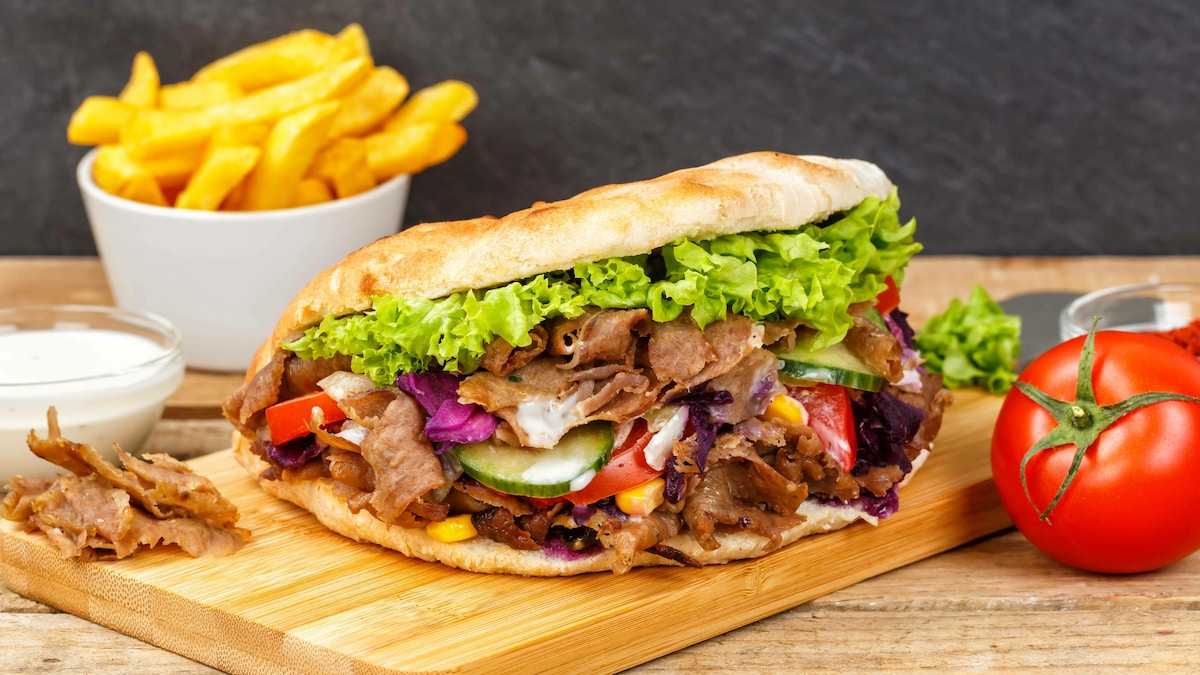
Consider a well-made doner kebab: it often contains lean meat (protein), vegetables like lettuce and tomatoes (fiber/vitamins), wrapped in flatbread (complex carb), and often includes a yogurt-based sauce (healthy fat/probiotic). While not always perfect, it exemplifies how combining these elements creates a satisfying and relatively balanced meal. The key is focusing on the components, not the label of the dish.
Beyond Nutrients: The Forgotten Elements of a Healthy Lunch
True nourishment extends beyond macronutrients. For a lunch to be truly "healthy," it must also satisfy these criteria:
- It Must Be Enjoyable: Food is more than fuel. Pleasure and satisfaction are vital for mental well-being and sustainable habits. If you don't enjoy it, it's not a healthy choice for you.
- Listen to Your Hunger Cues: Eat when you're genuinely hungry, not just because it's "lunchtime." This practice of intuitive eating ensures you eat the right amount for your body's needs and enhances the pleasure of the meal.
- Prioritize Freshness and Quality: Whenever possible, choose whole, minimally processed ingredients. The quality of your protein source, the freshness of your vegetables, and the type of fats used make a significant difference.
Putting It All Together: Sample Lunch Ideas
- Bowl Concept: A base of quinoa (carb), topped with grilled chicken (protein), roasted broccoli and red cabbage (veggies), avocado slices (fat), and a lemon-tahini dressing.
- Wrap/Sandwich: Whole-grain wrap with hummus (fat/protein), turkey slices, spinach, cucumbers, bell peppers, and a sprinkle of feta cheese.
- Leftover Makeover: Last night's baked salmon (protein/fat) served over a large mixed green salad (veggies) with a side of roasted sweet potato wedges (carb).
Conclusion: Your Blueprint for Lunch Success
Forget searching for the one "healthiest lunch." Instead, use this four-element framework as your flexible blueprint. By ensuring your plate includes protein, complex carbs, colorful vegetables, and healthy fats, you provide your body with comprehensive nourishment. Combine this with the principles of enjoyment, intuitive eating, and quality ingredients, and you have a recipe for a lunch that powers your afternoon and supports your long-term health. Sometimes that might be a meticulously prepared bowl, and sometimes it might be a delicious, well-balanced doner kebab—and both can be perfect choices.