The Ideal Breakfast for Gut Health: What to Eat and What to Avoid
You've likely heard the old adage: "Eat breakfast like a king, lunch like a prince, and dinner like a pauper." Modern science now confirms this wisdom. Skipping your morning meal isn't just a missed opportunity for energy; it can be a missed chance to significantly boost your long-term digestive health, metabolism, and overall wellness. Let's explore why breakfast is non-negotiable and how you can craft the perfect, gut-friendly morning routine.
Why Your Body Craves a Morning Meal: The Science of Breakfast
When you regularly eat breakfast, you're doing more than just satisfying morning hunger. You're programming your body for success. Research shows that those who eat breakfast have fewer weight issues, better metabolic regulation, and happier stomachs and intestines.
- Metabolic Boost: Your metabolism is most active in the morning. Studies from the University of Lübeck found that the body produces more than twice the amount of body heat after an identical meal eaten at breakfast compared to dinner, meaning you burn more calories in the AM.
- Blood Sugar Control: The same meal causes a lower spike in blood sugar and insulin levels in the morning than in the evening, helping to maintain stable energy and reduce cravings.
- Reduced Cancer Risk: A large-scale study analyzing over 60,000 people linked regularly skipping breakfast to a higher risk of cancers of the digestive tract, including stomach, liver, and gallbladder cancer. Think of breakfast as a daily, preventive health investment.
Building Your Perfect, Gut-Friendly Breakfast Plate
There's no single "ideal" breakfast, but there is a perfect formula for gut health. A healthy, gut-friendly breakfast should be rich in fiber, include a good portion of protein and complex carbohydrates, and incorporate one or two servings of fruits or vegetables. Variety is key to nourishing your diverse gut microbiome.
Here’s a quick guide to tailoring your breakfast to your needs:
| If You Prefer... | Ideal Gut-Friendly Components | Key Benefits |
|---|---|---|
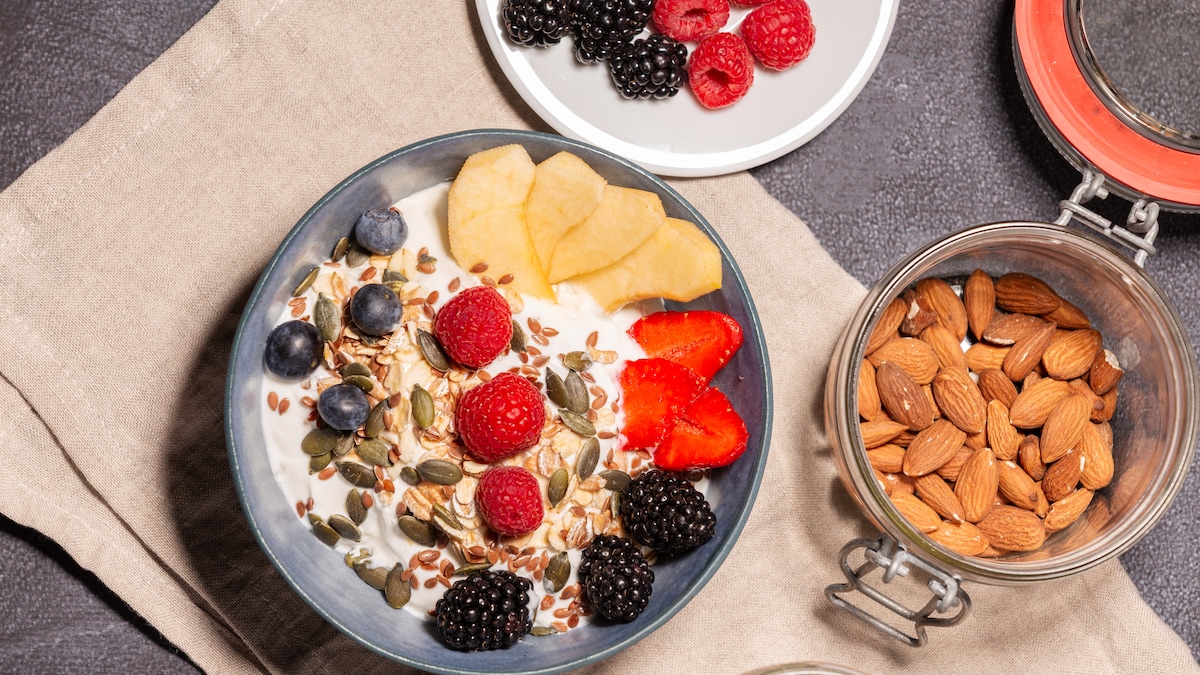
| A Sweet Breakfast | A breakfast bowl with whole grains (oats), fiber-rich seeds (chia, flax, psyllium), nuts/almonds, mixed with yogurt or quark (for protein & probiotics), topped with berries. | Provides sustained energy, fiber for digestion, probiotics for gut flora, and antioxidants. |
| A Savory Breakfast | Whole-grain bread, an egg or omelet (or tofu for vegans), plus vegetables like peppers, tomatoes, or avocado. Add hummus or guacamole as a spread. | High-quality protein for satiety, complex carbs, healthy fats, and phytonutrients from plants. |
Breakfast Ingredients to Embrace for a Healthy Gut
Certain foods are superstars for your digestive system. Aim to include these regularly:
- Coffee & Green Tea: 3-4 cups of coffee (caffeinated or not) per day are linked to a favorable gut microbiome, liver protection, and heart health. Green tea is also beloved by gut bacteria.
- Nuts & Almonds: Excellent "bacteria food." Almonds, for instance, boost levels of butyrate—a crucial short-chain fatty acid that fuels colon cells, fights inflammation, and is linked to a reduced risk of colon cancer.
- Dark Chocolate (70%+): Has a prebiotic effect, feeding good bacteria while also boosting your mood—a perfect way to start the day.
- Fiber Powerhouses: Don't forget seeds (flax, sesame, poppy), whole grains, and a rainbow of berries, fruits, and vegetables.
What to Avoid: Common Breakfast Pitfalls
Just as important as what you add is what you leave off your plate. Steer clear of these for optimal digestive wellness:
- Artificial Sweeteners: They are not a good alternative for your microbiome, weight, or metabolism. Studies show they alter gut bacteria in a way that can increase carbohydrate extraction from food, leading to higher blood sugar spikes over time and a heightened risk for diabetes and obesity.
- Fruit Juices & Juice Cleanses: These are typically high in fructose (fruit sugar), which can promote fatty liver disease and harm your gut microbiome. Even short-term juice fasts have been shown to negatively shift oral and gut bacteria, promoting inflammation.
- Low-Fiber, High-Sugar Cereals & Pastries: These cause rapid blood sugar spikes and crashes, leading to increased hunger later. They provide little sustenance for your beneficial gut bacteria.
Smart Swaps for a Healthier Start
If you need sweetness, skip the sugar and artificial sweeteners. Try these gut-friendly swaps instead:
- Use sweet fruits like bananas or berries.
- Add a spoon of almond butter or use almond milk for natural sweetness.
- Sprinkle inulin (a prebiotic fiber) over your muesli. It's slightly sweet and feeds good bacteria. Start with small amounts if you're new to high-fiber foods to avoid bloating.
Analogy for US Readers: Breakfast as Your Health Insurance Plan
Think of your daily breakfast like your health insurance. In Germany, citizens choose between public health insurance (GKV) for broad, foundational coverage and private health insurance (PKV) for more personalized, comprehensive care.
- Eating a Gut-Friendly Breakfast is like having comprehensive Private Insurance (PKV): It's a proactive, tailored investment. You're actively nourishing your microbiome, stabilizing your metabolism, and providing targeted "coverage" against inflammation, weight gain, and long-term disease risk. It's personalized preventive care.
- Skipping Breakfast or Choosing Poor Options is like relying only on Basic Coverage (or going uninsured): You're missing out on essential, daily protection. Just as Medicare/Medicaid provides vital base-level care in the US, eating something is better than nothing. But to truly thrive and prevent major "health claims" (like metabolic issues or gut problems), you need the more comprehensive, daily "policy" that a nutrient-dense breakfast provides.
Your morning meal sets the metabolic and digestive tone for your entire day. By choosing a gut-friendly breakfast rich in fiber, protein, and whole foods, you're investing in your long-term health, stable energy, and a resilient digestive system. Start tomorrow with intention—your gut will thank you.
Keywords integrated: ideal breakfast, gut health, digestive health, gut-friendly breakfast, metabolism, blood sugar control, healthy breakfast ideas, probiotics, prebiotics, microbiome, avoid for breakfast, breakfast and weight loss.