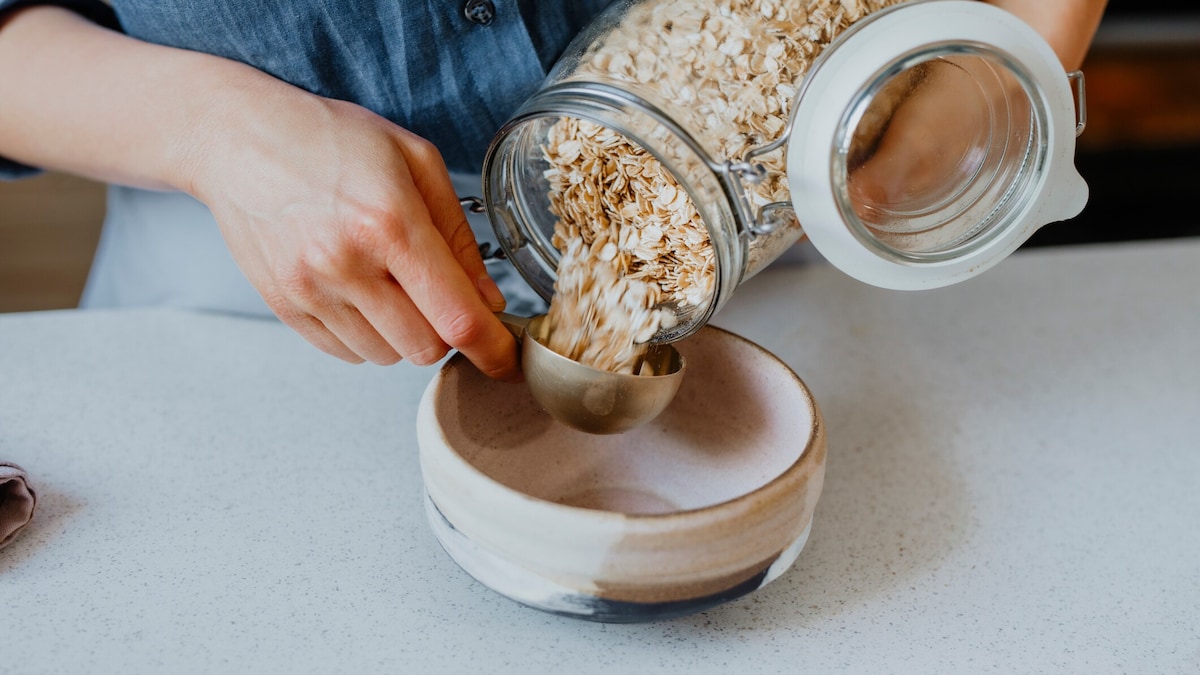
What Happens to Your Body When You Eat Oatmeal Every Morning?
You're looking for a healthy breakfast that's simple, versatile, and powerfully effective. Look no further than the humble oat. While plain oatmeal might seem basic, making it a daily ritual can trigger a cascade of positive changes in your body. From stabilizing your energy to supporting your heart, a bowl of oatmeal every morning is one of the smartest dietary decisions you can make. Let's explore the science-backed transformations you can expect.
Week 1: Stabilized Energy and Curbed Cravings
When you start your day with a serving of oatmeal (about 50g), you're giving your body a sustained fuel source. Unlike sugary cereals or pastries that cause a rapid blood sugar spike and crash, the complex carbohydrates and fiber in oats are digested slowly. This provides a steady release of glucose into your bloodstream.
What you'll notice: You'll feel fuller longer, avoiding mid-morning energy slumps. The reliable satisfaction also helps curb impulsive cravings for unhealthy snacks like pastries or fast food. Your body begins to anticipate this nutritious start, making it easier to skip the drive-thru or bakery.
Week 2-3: A Supercharged Digestive System
This is where the magic of beta-glucan fiber truly shines. Oats are exceptionally rich in this soluble fiber, which acts as a prebiotic—feeding the beneficial bacteria in your gut. As your digestive system adjusts, you'll likely experience more regular bowel movements and a reduction in bloating or discomfort.
Pro Tip: For an even more soothing effect, try warm oatmeal (oatmeal). The warmth can be comforting and may enhance the digestive benefits, helping to "reset" your gut each morning and establish a healthy daily rhythm.
Month 1 and Beyond: Long-Term Health Benefits Kick In
Consistency is key. As the daily habit solidifies, the cumulative benefits become more pronounced and impactful on your long-term health metrics.
- Heart Health Guardian: The soluble fiber in oats is proven to help lower LDL ("bad") cholesterol levels. By binding to cholesterol in the digestive system and removing it from the body, oatmeal acts as a natural defender for your cardiovascular system.
- Weight Management Ally: Oatmeal is a low-calorie, high-satiety food. A bowl typically contains around 170 calories but is packed with 5 grams of protein and 5 grams of fiber. This combination keeps you feeling full, which can naturally reduce your overall calorie intake throughout the day and support healthy weight loss or maintenance.
- Metabolic Boost: A regulated digestive system and stable blood sugar contribute to a more efficient metabolism. Your body becomes better at using food for energy rather than storing it as fat.
Your Daily Oatmeal Strategy: Keep It Simple and Delicious
The beauty of oatmeal is its versatility. You never have to get bored.
- Sweet Version: Top with fresh berries, a grated apple, a dash of cinnamon, and a drizzle of natural maple syrup.
- Savory Version: Try it with a spoonful of cottage cheese, cherry tomatoes, a soft-boiled egg, and a sprinkle of herbs.
- For Busy Mornings: Prepare Overnight Oats the evening before. Simply mix rolled oats with milk (or a plant-based alternative) and your favorite toppings in a jar, let it sit in the fridge overnight, and grab it on your way out.
This practice of intuitive eating—choosing toppings you genuinely crave—helps satisfy desires healthily and prevents them from turning into intense hunger later.
Think of It As Nutritional Health Insurance
Consider your daily oatmeal like essential nutritional coverage for your body. In the realm of German health insurance, it's akin to the comprehensive, baseline coverage provided by the public system (GKV). It's a reliable, foundational practice that manages core health risks—like high cholesterol and blood sugar spikes—for the long term. For American readers, it's similar to the preventive care focus of a good private health insurance plan or the foundational support of Medicare. It's a simple, daily investment that pays off by reducing future health costs and complications. Adding varied toppings and proteins is like opting for supplementary private insurance (PKV or a more comprehensive U.S. plan)—it customizes and enhances the benefits to suit your personal taste and health goals perfectly.
| Timeframe | Primary Body Response | What You'll Likely Feel & Notice |
|---|---|---|
| First Few Days | Stable blood sugar release begins; digestive system encounters high fiber. | Longer-lasting fullness after breakfast, reduced mid-morning hunger pangs. |
| Within 1-2 Weeks | Gut microbiome starts to benefit from prebiotic fiber; digestion regulates. | More regular digestion, less bloating, increased energy consistency. |
| After 1 Month | Cumulative effects on cholesterol and satiety hormones become more significant. | Easier weight management, reduced cravings for unhealthy breakfast alternatives. |
| Long-Term Habit (3+ Months) | Sustained support for heart health, metabolic health, and healthy weight. | A solid, healthy routine; potential improvements in cholesterol levels (as shown by lab work). |
Conclusion: A Bowl Full of Benefits
Starting your day with oatmeal is more than just a meal; it's a commitment to your long-term health and wellness. This simple, cost-effective habit delivers profound benefits: sustained energy, a happy gut, a protected heart, and a powerful tool for weight management. By making oatmeal your daily nutritional anchor, you're choosing a proven strategy for a healthier, more vibrant life. Your body will thank you by the spoonful.