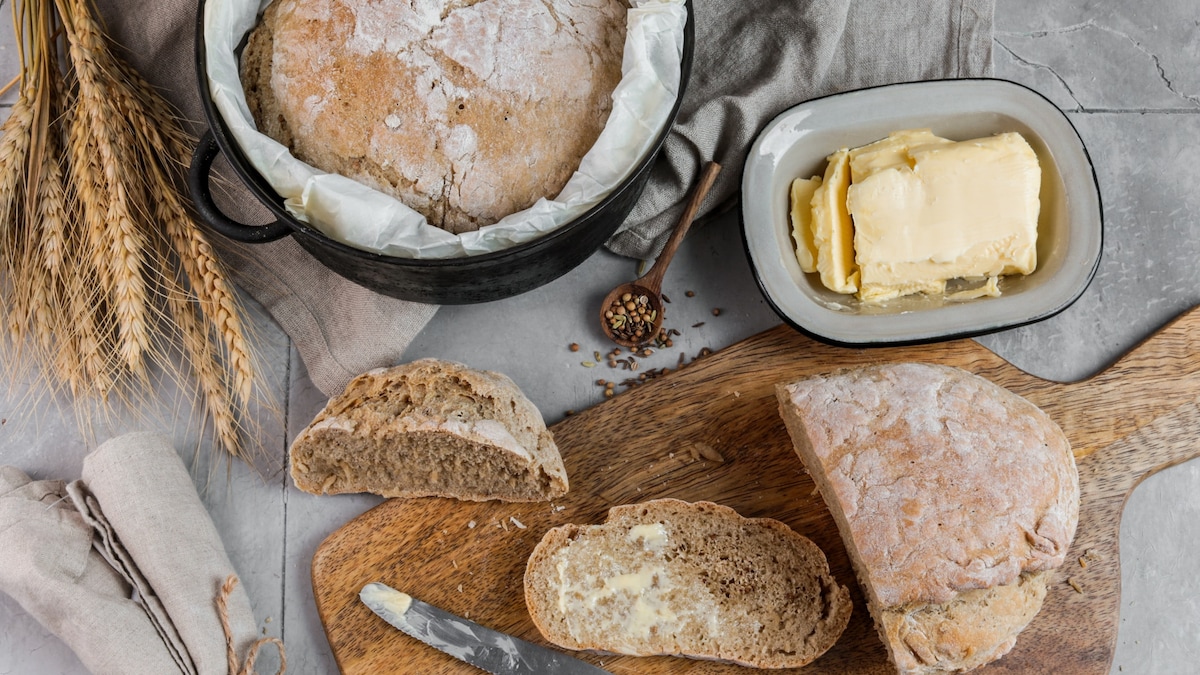
The 7 Healthiest Breads for Your Diet & Long-Term Wellness | A Nutrition and Health Insurance Guide
While Germany is famous for its bread diversity, many varieties of this staple food are still unfairly labeled as fatteners. To lose weight, many people avoid white bread and similar products. This isn't entirely misguided, as such breads often lack nutrients and offer little value to the body. However, painting all breads with the same brush is a mistake. Some breads are genuinely healthy and can even support weight management—a crucial aspect of preventive health that can influence your long-term health insurance costs by reducing risks for chronic conditions.
Expert Tip: Store bread properly in a bread box to maintain freshness.
Why the Right Bread Matters for Your Health & Insurance
Most breads are stigmatized for their carbs and calories. This assumption isn't always accurate; it depends entirely on the ingredients. The goodness is often in the shell. Whole grain bread is particularly healthy because the more whole grains it contains, the more vitamins, minerals, and fiber it provides. These nutrients are primarily in the outer layers of the grains. White bread, however, is typically made from only the endosperm (the starchy part), discarding the nutrient-rich bran and germ, making it less beneficial.
It's wise to limit white toast and similar refined breads. But several bread varieties deliver essential nutrients and can aid in maintaining a healthy weight, which is a positive factor for life insurance underwriting and managing potential out-of-pocket medical expenses.
The 7 Healthiest Breads: A Detailed Breakdown
Here is a guide to the top seven healthiest breads, explaining why they are beneficial choices for your diet and overall well-being.
1. Whole Grain Spelt Bread
Although closely related to wheat, spelt contains more and higher-quality protein. Studies confirm that spelt has more vitamins and minerals than common wheat. Thanks to its high fiber and unsaturated fatty acids, whole grain spelt bread is very healthy. It's also popular for its high silica (silicon) content, which helps firm body tissue and increase elasticity. Compared to wheat bread, whole grain spelt bread has fewer calories and carbohydrates, which can be helpful for weight management.
2. Rye Bread (Including Pumpernickel)
Rye bread is an excellent source of minerals and keeps you feeling full longer than other breads. This satiety effect protects against dreaded hunger pangs during diets. The fiber in rye bread can even help prevent constipation and gallstones, positively impacting cholesterol and blood sugar levels. A study of twelve healthy adults found that those who ate rye bread released significantly less insulin than those who ate white wheat bread.
3. Seed Bread
The unique aspect of this bread is that it contains no flour. Instead, ingredients like flaxseeds, chia seeds, psyllium husks, hazelnuts, sunflower seeds, or quinoa replace it. Additionally, seed bread is vegan, low-carb, and gluten-free, fitting into virtually any dietary plan. In the USA, this bread has already established itself as a superfood.
4. Sprouted Grain Bread
This bread is made from grains that have begun to sprout, making more bioavailable nutrients accessible to the body. Sprouted bread contains vital nutrients like phosphorus, iron, zinc, calcium, magnesium, folate, vitamins A and C, amino acids, and fiber. These nutrients can be absorbed more quickly from sprouted bread than from any other type. A Swedish study found that flatbread made with 50% sprouted wheat flour contained over three times more folate than flatbread without it. Protein content also increases by about 20%. The high fiber content promotes long-lasting fullness, prevents hunger spikes, and has minimal impact on blood sugar levels.
5. Multigrain Bread (Whole Grain Basis)
As the name suggests, multigrain bread is made from various different grains. When based on whole grains, this bread is considered particularly healthy. A study from the University of Minnesota shows that whole-grain-based multigrain breads contain important B-vitamins and minerals that fulfill crucial functions in the human body.
6. Sourdough Bread
Sourdough is produced through a fermentation process using naturally occurring yeasts and bacteria. Sourdough bread is easier to digest than other types, likely due to the probiotics formed during fermentation. Probiotics are healthy bacteria that promote good gut health and digestion. Thanks to its low glycemic index, sourdough is also beneficial for blood sugar management, as shown by research from Lund University in Sweden.
7. Gluten-Free Oat Bread
Those focusing on a gluten-free diet don't necessarily have to give up bread. An alternative can be bread made from gluten-free oat flakes. This bread also contains a high amount of fiber and is a good energy source. Oat flakes are rich in iron, magnesium, and vitamin B1, providing the body with many essential minerals needed to stay healthy.
Connecting Nutrition to Health Insurance Wellness
Choosing nutrient-dense foods like these healthy breads is a form of preventive healthcare. In the United States, managing diet and weight can directly impact your health outcomes and, consequently, your healthcare spending. Preventive nutrition aligns with the goals of many Medicare Advantage and private health insurance plans that offer wellness programs. By incorporating these healthier options, you're investing in your long-term health, which can help manage risks for conditions like diabetes and heart disease—potentially keeping your health insurance premiums more stable and reducing future coinsurance and deductible costs.
Comparative Insight: Just as individuals in Germany might choose between public (GKV) and private (PKV) insurance based on their health needs and lifestyle, Americans choose between plans like Medicare/Medicaid and private coverage. A proactive approach to nutrition benefits everyone, regardless of insurance type, by promoting better health and potentially lowering overall medical costs for both individuals and the healthcare system.
Making informed dietary choices is a cornerstone of personal wellness and smart financial planning for your health. Always consult with a nutritionist or doctor for personalized advice, and review your health insurance policy to understand covered nutritional counseling or wellness benefits.