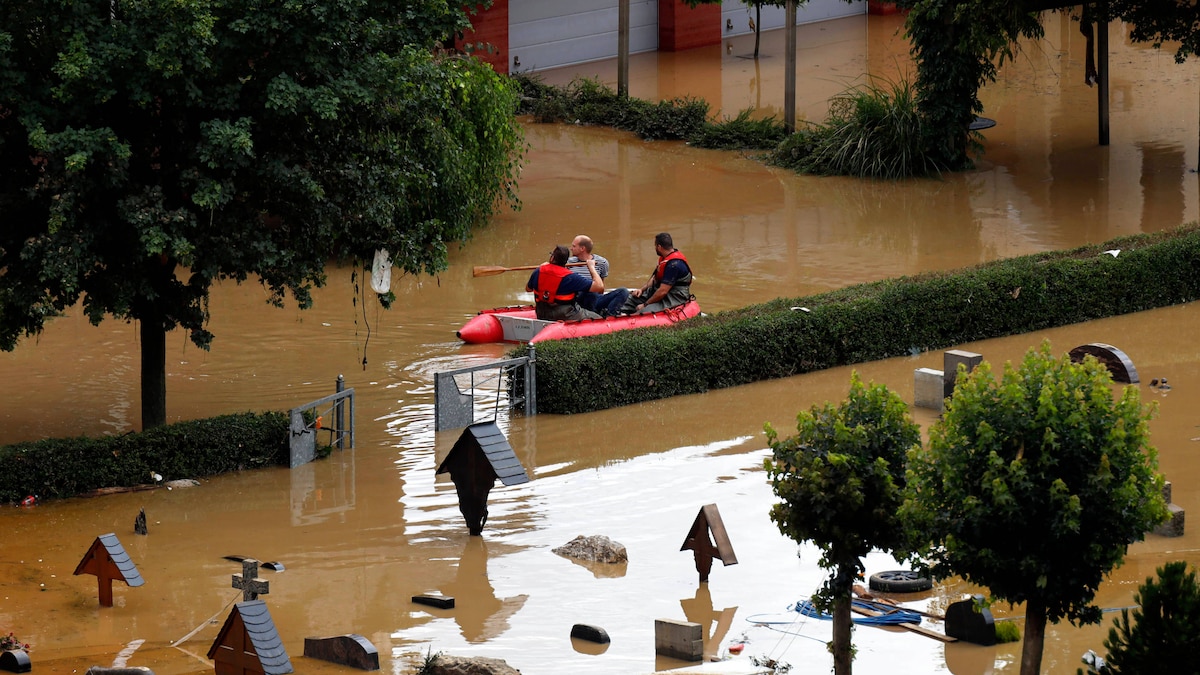
Is Your Home Becoming Uninsurable? How Climate Change is Reshaping Insurance
Remember the phrase "the personal is political"? Today, it applies to your home and property insurance. As extreme weather becomes more frequent, the stability of your insurance premiums and even your ability to get coverage is now a pressing economic and political issue. This isn't just about the environment; it's about the security of your largest asset.
Why This Matters for You: The insurance industry's risk models are failing in the face of new climate realities. This has direct, profound consequences for insurance premium stability, insurer solvency, and the financial security of communities. For you, the policyholder, it translates to higher costs and potential coverage gaps.
The Uncomfortable Truth: Climate Change is a Premium Driver
Financial regulators and politicians are taking notice. Recently, the U.S. Treasury Department began collecting data from insurers to assess future market disruptions. A stark conclusion, echoed by reports from the Financial Times and major reinsurers, is clear: climate change is making parts of the world uninsurable.
Here are the key facts every homeowner and business owner should understand:
- More Frequent, More Severe Disasters: In 2023 alone, extreme weather events caused approximately 74,000 deaths globally—nearly double the 30-year average. The trend isn't slowing.
- Skyrocketing Financial Losses: Total global losses from floods, earthquakes, and fires reached $250 billion in 2023. Only $95 billion was insured, representing a 67% increase over the 30-year average. This protection gap means more financial pain falls on individuals and governments.
- Faulty Risk Models: Industry leaders quietly admit that the actuarial models used to predict losses and set home insurance rates are outdated. They fail to accurately capture the accelerating frequency and severity of storms, wildfires, and floods.
The Direct Impact on Your Wallet: Rising Premiums and Uninsurable Zones
For you, living in areas prone to worsening storms, floods, or wildfires, the outcome is straightforward: your insurance costs will rise significantly. As Christian Mumenthaler, CEO of Swiss Re, stated, rising premiums act as a "CO2 surcharge" passed on to consumers, a direct cost of our collective climate impact.
The social and economic tension is palpable. In Australia, models suggest 1 in 25 households could be uninsurable by 2030. In the U.S., states like California and Florida are already experiencing this crisis firsthand.
Government Intervention: The Rise of FAIR Plans and Public Backstops
A "blame game" has emerged between policymakers and insurers. While the industry urges governments to help homeowners adapt, public programs are already stepping in. This mirrors a broader dynamic seen in health insurance systems: just as the U.S. has Medicare and Medicaid as public backstops for health coverage, property insurance is seeing the rise of state-backed plans of last resort.
A Prime U.S. Example: The California FAIR Plan. After many homeowners lost private wildfire insurance coverage due to high risk, the state-created FAIR Plan was expanded. It now covers over 270,000 policies—double the number from 2018—demonstrating a critical government role in maintaining a basic level of property protection when the private market retreats.
Private vs. Public Solutions: A Necessary Partnership
Experts like Michael Steel of Moody's RMS argue the industry cannot abdicate its responsibility. Simply leaving the problem to the state is not a sustainable solution. The future requires a dual approach:
| Private Insurance Market Role | Government & Public Policy Role |
|---|---|
| Developing more accurate, forward-looking climate risk models. | Funding and enforcing climate-resilient building codes and land-use planning. |
| Creating innovative insurance products and incentives for risk mitigation (e.g., discounts for fortified homes). | Providing backstop coverage (like FAIR Plans) for truly high-risk areas to prevent a complete market collapse. |
| Clearly communicating risk and premium drivers to policyholders. | Investing in large-scale infrastructure projects (levees, firebreaks) to reduce community-wide risk. |
Conclusion: Proactive Protection is Your Best Strategy
Ignoring the climate threat to your property is a losing strategy. Addressing these risks is not merely an environmental concern but an economic imperative for protecting your wealth.
What You Can Do Now:
- Review Your Coverage: Understand your policy's limits and exclusions, especially for floods or wildfires, which often require separate coverage.
- Harden Your Home: Invest in mitigation like fire-resistant roofing, storm shutters, or flood barriers. This can lower your risk profile and potentially your premiums.
- Stay Informed: Know your property's specific risks (check FEMA flood maps, for example) and engage with local community planning efforts focused on resilience.
The era of stable, low-cost property insurance in high-risk zones is ending. By understanding the forces at play—from failing risk models to government backstops—you can make informed decisions to safeguard your home and financial future. The question is no longer if climate change will affect your insurance, but how much and how soon.