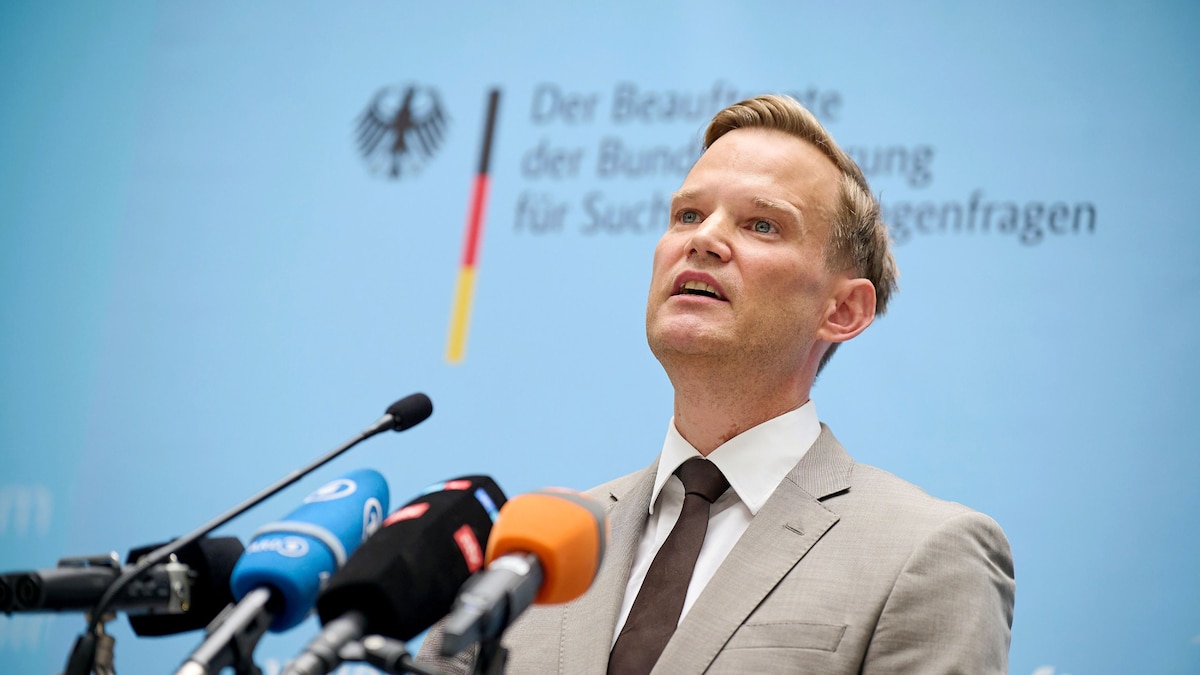
"The State Is Becoming Increasingly Intrusive!" – Readers Debate the Proposed €15 Doctor Visit Fee
A proposed €15 fee for every doctor's visit has ignited a firestorm of debate among German citizens. This controversial idea, aimed at stabilizing the healthcare system, has polarized public opinion. While some see it as a necessary step towards personal responsibility and cost control, others condemn it as socially unjust and a bureaucratic burden. The discussion goes far beyond the fee itself, touching on deep-seated issues of fairness, system efficiency, and the future of Germany's public health insurance (Gesetzliche Krankenversicherung, GKV). For American readers, this mirrors ongoing US debates about co-pays in private health insurance and cost-sharing in Medicare.
The Core of the Controversy: A Clash of Principles
The debate centers on a fundamental tension between two principles: solidarity (the collective sharing of health risks) and personal responsibility (individual accountability for healthcare use). Proponents argue the fee would deter unnecessary visits and make patients aware of costs. Opponents fear it will create a financial barrier, deterring preventive care and disproportionately hurting the sick, elderly, and low-income individuals.
Reader Perspectives: Six Key Arguments in the Debate
1. The Fairness Argument: "Why Should Non-Contributors Get Free Care?"
A large segment of readers expresses deep frustration over perceived inequities. They argue that millions—including recipients of basic social security (Bürgergeld) and refugees—receive comprehensive care without having contributed to the system, placing an unfair burden on lifelong contributors.
"It's about time those who have contributed nothing so far start paying. They have only taken. Now." – Reader Comment
"The state is becoming increasingly intrusive! Over ten billion are spent on insurance-external benefits for people who were never insured. Those who have paid into the health system their entire lives are being fleeced again." – Reader Comment
Context: The federal government provides substantial subsidies (€14.5 billion in 2026) to the GKV for these groups, but a funding gap remains, fueling this sense of injustice.
2. The Practicality Argument: For and Against the "Contact Fee"
Opinions are split on the fee's effectiveness. Supporters believe it would foster a more mindful use of services, moving away from a "free at point of use" mentality. Critics point to the failed experiment of a similar "practice fee" from 2004-2012 and warn it would create bureaucracy and harm preventive care.
"A contact fee changes the mindset away from 'the doctor's visit is free' towards a bit more personal responsibility." – Pro-Fee Comment
"This idea has already proven to be a mistake. What about prevention? Such nonsense." – Anti-Fee Comment
3. The Call for Systemic Overhaul, Not Piecemeal Fees
Many argue that tinkering with fees misses the point. They demand fundamental reform, such as a unified health insurance system for all (a "citizen's insurance" or Bürgerversicherung), abolishing the divide between public (GKV) and private insurance (PKV).
"The system needs fundamental reform, not further burdening the patient. Contribution obligation for all employed persons, including civil servants, into a single health fund." – Reader Comment
4. Blaming Bureaucracy: Forced Visits and Red Tape
Readers highlight that system rules often create unnecessary visits. Chronically ill patients, for example, are forced to see their doctor quarterly just to re-register their insurance card and renew prescriptions for lifelong medications.
"I'd like to know how many doctor visits are generated solely due to the established rules. A person who constantly needs the same medication has to go to the doctor every three months to get it prescribed for the umpteenth time." – Reader Comment
This criticism calls for expanded use of permanent prescriptions and digital solutions to cut red tape.
5. Perceived Inequality: A Two-Tiered System
Commenters feel the system treats people differently based on insurance status. They perceive that privately insured patients and, paradoxically, some welfare recipients get better or faster access to care than average GKV contributors.
"Are the poor treated the same as the rich? Sorry, find the error. Check which extensive, preventive lab values are analyzed for the rich and for the poor." – Reader Comment
6. Structural Problems: Doctor Shortages and Access Issues
Others shift blame from patients to systemic failures: a shortage of general practitioners, long wait times for specialists, and practices refusing new patients. These access problems, they argue, are the real cause of overcrowded emergency rooms, not patient frivolity.
"If you also ensure that with a referral you get a timely appointment with a specialist, I have no problem with it. The reason why many people go to the emergency room with trivialities is largely that they can't get a timely appointment in an outpatient practice." – Reader Comment
A Comparative View: Germany's Debate in a US Context
This debate has direct parallels in the United States:
| Issue in Germany | Analogous US Debate |
|---|---|
| €15 "Contact Fee" to deter overuse | High-deductible health plans (HDHPs) and co-pays to encourage cost-consciousness in private insurance. |
| Fairness for contributors vs. non-contributors | Debates over Medicaid expansion and coverage for undocumented immigrants. |
| Divide between public (GKV) and private (PKV) insurance | The gap between Medicare beneficiaries and those with comprehensive private employer plans. |
| Bureaucracy forcing unnecessary visits | Prior authorization hurdles and administrative waste in US healthcare. |
Conclusion: A Symptom of a Deeper Crisis
The fierce debate over a €15 fee is not really about €15. It is a symptom of a broader crisis of trust and sustainability in the healthcare system. Citizens are grappling with questions of fairness, efficiency, and the social contract. While a fee might generate short-term revenue, it fails to address the structural issues of demographic change, cost inflation, and access inequalities. The public sentiment, as seen in these comments, calls for courageous, holistic reform rather than piecemeal charges that risk deepening social divides.
Join the Discussion: What do you think is the fairest and most sustainable path? Is a per-visit fee a sensible tool, or are bold systemic reforms the only real solution? Share your perspective below.