Car Insurance in 2026: Why Your Premiums Are Going Up and How to Fight Back
Get ready for a more expensive year on the road. Whether you're in Germany or the United States, car insurance premiums are projected to rise significantly in 2026. For many drivers, the annual bill will see a noticeable jump. This isn't random; it's driven by a perfect storm of factors including new risk classifications, skyrocketing repair costs, and broader claims trends. Understanding these changes is your first defense against overpaying. Insurance expert Bastian Kunkel breaks down the causes and, more importantly, provides a clear action plan to protect your wallet.
Why Are Car Insurance Rates Increasing?
Multiple converging trends are pushing premiums upward across the board. The core reasons are strikingly similar in both Germany and the US:
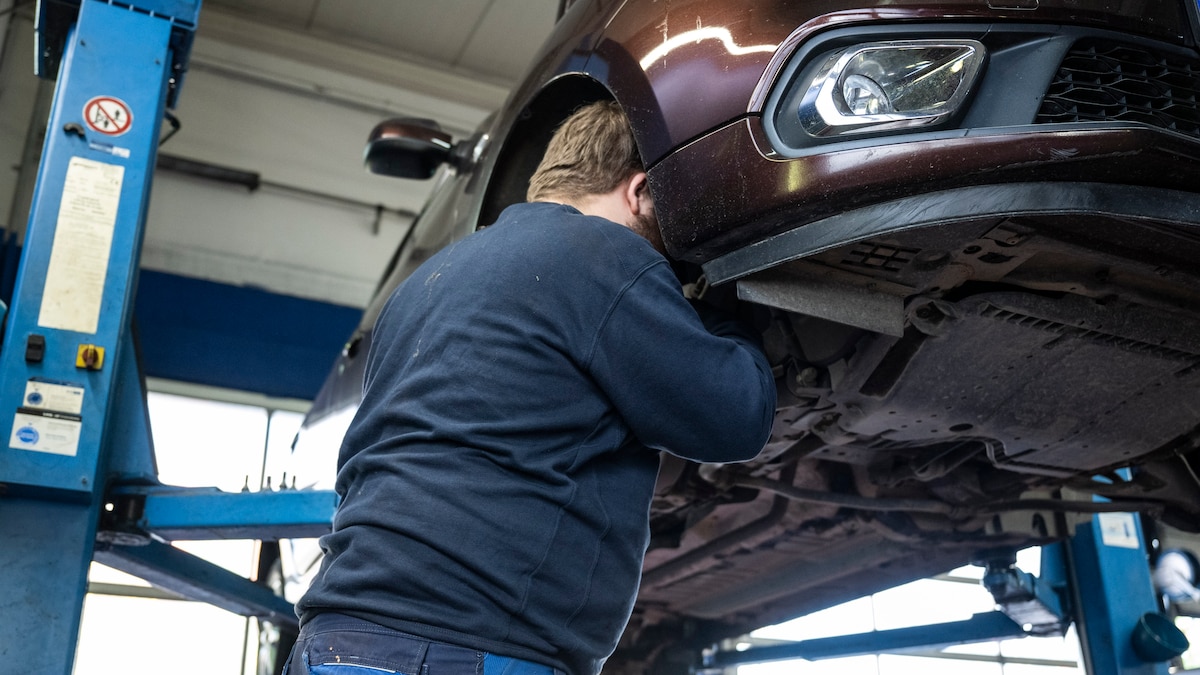
- Soaring Repair and Replacement Costs: Modern vehicles are packed with advanced sensors, cameras, and complex electronics. Repairing even a minor fender-bender is now far more expensive. Furthermore, persistent supply chain issues and inflation have driven up the cost of parts and labor.
- New Risk Classifications: Insurers are recalibrating how they assess risk, which directly impacts your premium.
- General Claims Severity: More severe accidents and higher medical/liability costs are leading to larger overall payouts by insurance companies, a cost passed on to all policyholders.
In Germany, the German Insurance Association (GDV) forecasts premium growth of 2-6%. Some comparison portals report increases of up to 40% for new policies, indicating the market is still adjusting.
Key Changes for 2026: Regional and Vehicle Classes
Insurers use specific classifications to price your risk. Major updates are coming in 2026 that will directly affect your bill.
| Change | Impact in Germany | Analogous Concept in the US |
|---|---|---|
| New Regional Classes (Regionalklassen) | Affects liability premiums based on your postal code. ~10 million policyholders will be reclassified. Urban areas with high claim frequency (e.g., Berlin, parts of NRW) will see higher ratings, while some rural areas (e.g., parts of Brandenburg) may improve. | Similar to territorial ratings. Your ZIP code is a major rating factor. Dense urban areas typically have higher premiums due to traffic density, theft rates, and repair costs. |
| New Vehicle Type Classes (Typklassen) | Based on the loss history of your specific car model. In 2026, ~5.9 million vehicles will be up-classified (more expensive), while ~4.5 million will be down-classified. High-performance cars and SUVs face significant premium hikes, especially for comprehensive/collision coverage. | Similar to vehicle symbols or insurance groups. Your car's make, model, year, safety features, and repair cost determine its group. Expensive-to-repair and high-theft-risk vehicles cost more to insure. |
Your 6-Step Action Plan to Save on Car Insurance
Don't just accept a higher premium. Proactive management can lead to substantial savings. Follow this checklist:
- Review and Compare Your Renewal Notice
As soon as your 2026 renewal bill arrives, compare it to last year's premium. Don't assume your current insurer is still the best deal. Use online insurance comparison tools to get quotes from multiple providers. The current market volatility makes shopping around especially valuable. - Use Your Special Cancellation Right (Sonderkündigungsrecht)
If your insurer raises your premium, you typically have a special right to cancel your policy. In Germany, this right must usually be exercised within one month of receiving the new premium information. This gives you leverage to switch to a better deal without penalty. - Audit Your Policy Details
Ensure all your data is accurate and up-to-date: your vehicle's primary use (commute vs. pleasure), annual mileage, listed drivers, and garaging address. Incorrect information can lead to overpaying or even claim denial. - Customize Your Coverage
You can actively lower your premium by adjusting your coverage:- Consider a higher deductible (Selbstbeteiligung) for comprehensive/collision coverage.
- Remove unnecessary add-ons you don't use.
- Ask about discounts for bundling (home + auto), safe driving, low mileage, or paying annually.
- Rethink Your Vehicle Choice
Your car is the single biggest factor in your premium. If you're in the market for a new vehicle, consider models with better safety ratings and lower repair costs. Electric vehicles (EVs) are often classified more favorably in Germany and may qualify for specific discounts in the US, though their high repair costs can be a counter-factor. - Scrutinize the Fine Print
Before renewing or switching, understand the policy terms: rules for protecting your no-claims bonus (Schadenfreiheitsklasse), cancellation notice periods, and how future premium adjustments are handled.
Conclusion: Be Proactive, Not Reactive
2026 will be a financially noticeable year for drivers. Rising auto insurance costs are a near-certainty due to economic and industry factors. However, you are not powerless. By staying informed, comparing rates annually, and actively managing your policy, you can mitigate these increases and potentially even find better coverage for less. Start your review process early—your budget will thank you.