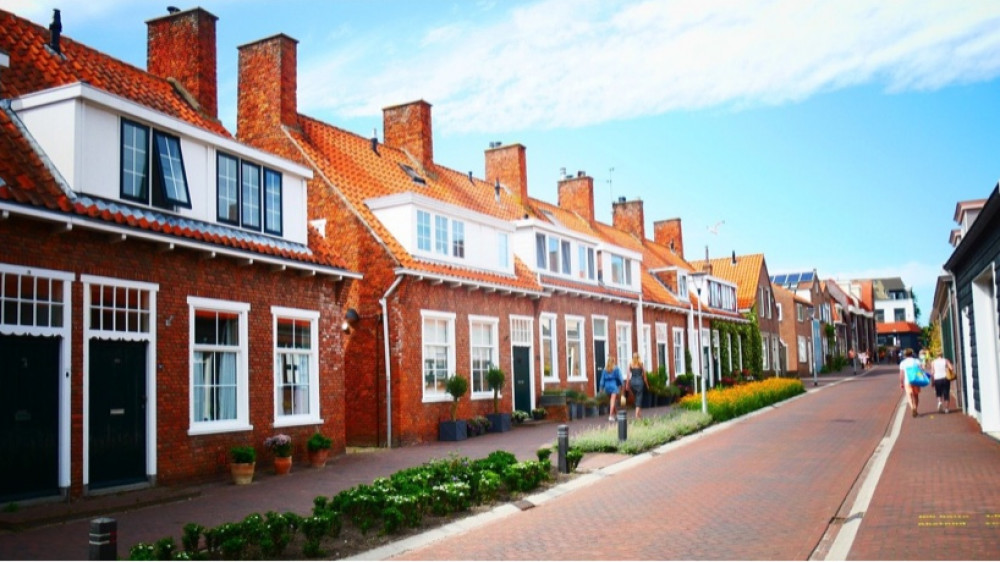
Homeownership as a Retirement Pillar: Why Germans Trust Real Estate Over Other Investments
When it comes to securing their financial future, the clear majority of Germans place their trust in bricks and mortar. According to the 2021 Kantar Trend Indicator, a staggering 79% of Germans believe that owning a home provides a secure foundation for retirement planning (Altersvorsorge). This sentiment has grown significantly, with 75% now viewing real estate as the best investment overall, up from 66% a decade ago. This deep-seated belief highlights a fundamental shift in how individuals perceive wealth building, moving beyond traditional savings accounts toward tangible assets. But is this faith in homeownership justified, and how does it fit into a modern, diversified retirement income strategy?
The Compelling Numbers: A Nation's Belief in Property
The data paints a clear picture of Germany's investment preferences. Nearly two-thirds (64%) of respondents consider a personal residence (Wohneigentum) the single best form of retirement provision. This conviction bridges the renter-owner divide: 69% of renters agree with the statement, while agreement among existing property owners soars to 90%. Axel Guthmann, Director of the Association of State Building Societies (Landesbausparkassen), notes, "People are aware of the immense value of homeownership for wealth accumulation and old-age provision. Yet, Germany has one of the lowest homeownership rates in Europe. It is therefore a key political task to enable more people to find their way into their own homes."
The Core Financial Advantage: Replacing Rent with Equity
The primary financial benefit of homeownership, especially in retirement, is the elimination of monthly rent payments. Guthmann explains that this "saved rent" becomes critically important later in life. Research from the German Institute for Economic Research (DIW Berlin) quantifies this advantage: retirees who rent spend an average of 34% of their net household income on housing costs. In stark contrast, homeowners spend only about 15%. "Against the backdrop of generally lower retirement incomes, this can make a substantial difference in quality of life," Guthmann emphasizes. This reduced housing cost burden is a direct form of inflation protection, as a fixed-rate mortgage payment remains constant while rents typically rise over time.
Homeownership in a Diversified Retirement Portfolio
While homeownership offers stability and cost predictability, a comprehensive retirement plan should involve multiple pillars. Think of it as a three-legged stool:
- The State Pillar: Statutory pension insurance (gesetzliche Rentenversicherung).
- The Private Pillar: Personal savings, including home equity, private pensions (Rürup/Riester), and investment accounts.
- The Corporate Pillar: Company pension plans (bAV).
A paid-off home strengthens the private pillar dramatically. However, it's crucial to balance this illiquid asset with other investments. Real estate ties up significant capital, which isn't readily available for unexpected expenses. Therefore, pairing homeownership with liquid assets like stock market investments (Aktien) or bond funds creates a more resilient financial structure for retirement.
| Financial Factor | Retiree as Renter | Retiree as Homeowner (Mortgage Paid) |
|---|---|---|
| Monthly Housing Cost | Variable, typically rising with inflation and market rates. | Low & fixed (mainly property tax, insurance, maintenance). |
| % of Income Spent on Housing (DIW) | ~34% of net income | ~15% of net income |
| Asset Base | No real estate equity; wealth held in other forms (savings, investments). | Significant wealth stored as home equity; can be accessed via sale or equity release. |
| Inflation Hedge | Poor (rent increases directly impact cost of living). | Strong (fixed costs; property value often appreciates over long term). |
| Liquidity | High (savings are more easily accessible). | Low (equity is not liquid without selling or taking a loan). |
| Legacy Planning | Easier to leave cash/assets to heirs. | Property can be a significant, tangible legacy for heirs. |
Key Considerations Before You Buy for Retirement
If you're considering homeownership as part of your retirement strategy, keep these points in mind:
- Long-Term Commitment: Real estate is a long-haul investment. Transaction costs are high, so it pays to stay put.
- Total Cost of Ownership: Budget not just for the mortgage, but for property tax, insurance, maintenance, and repairs.
- Location Matters: Choose a property in a location that will remain desirable and support your lifestyle as you age.
- Don't Over-Concentrate: Ensure your entire net worth isn't locked into your home. Maintain a separate emergency fund and retirement investment portfolio.
The German public's strong belief in homeownership as a retirement solution is well-founded, primarily due to the powerful benefit of cost stability in one's later years. By understanding both its strengths and its limitations, you can strategically integrate real estate investment into a broader, more robust plan for financial independence in retirement. It's not necessarily about choosing between property and stocks, but about understanding how each can play a role in building the secure future you envision.