Street Food Safety: Understanding the Real Risks and How to Protect Yourself
The tragic story of a German family who suffered fatal food poisoning after eating street food in Istanbul is a sobering reminder of the hidden dangers that can accompany culinary adventures abroad. While exploring local cuisine is one of the joys of travel, understanding food safety is as crucial as having the right travel insurance. Just as you would carefully review the coverage details of a private health insurance (PKV) plan in Germany—or a private medical insurance policy in the US—versus the basic protections of public systems (GKV or Medicare/Medicaid), being informed about food risks allows you to make safer choices. This guide breaks down the specific hazards, symptoms to watch for, and practical steps you can take to minimize your risk of foodborne illness.
Decoding the Risks: Common Street Foods and Their Dangers
The family reportedly consumed stuffed mussels, a lamb intestine dish (Kokorec), and Turkish delight. While the exact cause is under investigation, each of these foods carries inherent risks if not handled, stored, or prepared correctly.
| Food Item | Potential Hazards | Key Safety Tips |
|---|---|---|
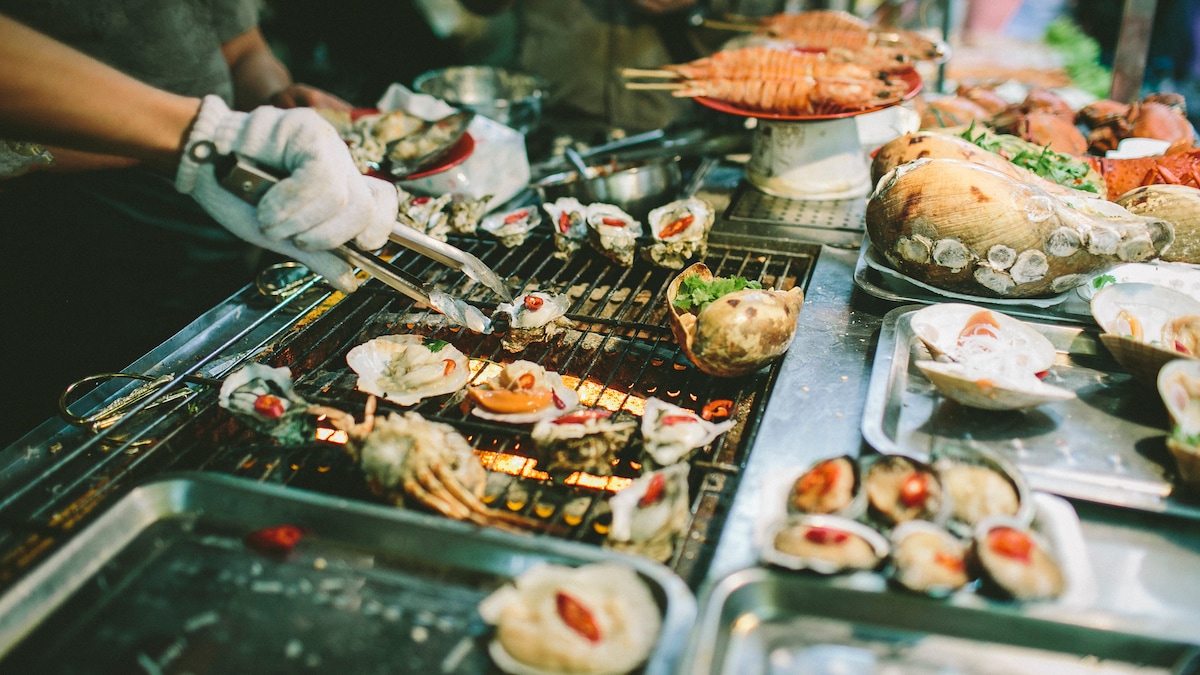
| Mussels & Shellfish | Bacterial Contamination: From spoilage if dead before cooking. Biotoxins: (e.g., from algal blooms) that are NOT destroyed by cooking. Can cause paralytic, neurotoxic, or amnesic shellfish poisoning. | Eat only at reputable vendors. Shells must be tightly closed before cooking and open after. Avoid if they smell overly fishy. Check for local shellfish harvesting advisories. |
| Kokorec (Lamb Intestines) | Bacterial Pathogens: E. coli, Salmonella, Campylobacter from cross-contamination or undercooking. Parasites: Risk from inadequate cooking temperatures. | Ensure meat is thoroughly cooked (piping hot throughout, no pink). Observe vendor hygiene—clean surfaces, gloves, and proper handwashing. |
| Turkish Delight (Lokum) | Mycotoxins: Toxic molds on nuts (e.g., aflatoxins) that survive processing. Yeast/Bacterial Spoilage: In high-sugar, low-moisture environments. | Inspect for any signs of mold, off-odors, or discoloration. Purchase from busy, reputable sweet shops with high turnover. |
Recognizing the Symptoms of Food Poisoning
Knowing the signs can lead to faster treatment. Symptoms can appear within hours or days and vary by contaminant.
- Shellfish Poisoning: Tingling/numbness, dizziness, nausea, vomiting, diarrhea, and in severe cases, muscle paralysis or respiratory failure.
- Bacterial Infection (from meat): Severe abdominal cramps, diarrhea (often bloody), fever, and vomiting.
- Bacillus cereus ("Fried Rice Syndrome"): Two forms: 1) Vomiting within 1-6 hours, or 2) Watery diarrhea and cramps within 6-15 hours.
Seek immediate medical attention if symptoms are severe, include high fever, bloody stool, signs of dehydration, or neurological symptoms like blurred vision or tingling.
Essential Food Safety Rules for Travelers
Protecting yourself doesn't mean avoiding street food entirely. It means being a savvy consumer. Follow these travel health guidelines:
1. The "Hot and Busy" Vendor Rule
Choose stalls with a high customer turnover where food is cooked fresh and served immediately. Watch the preparation. Are raw and cooked foods separated? Does the vendor handle money and then touch food without washing hands?
2. Master Food Temperature Safety
Eat food that is served piping hot. Avoid lukewarm dishes that may have been sitting out. Be cautious with pre-cooked foods that are reheated. Remember, some bacterial spores (like Bacillus cereus) survive cooking and can multiply if food is left at room temperature.
3. Be Wary of High-Risk Items
- Raw or Undercooked: Avoid raw seafood, undercooked meat, runny eggs, and unpasteurized dairy.
- Pre-cut Fruits & Salads: These may have been washed in contaminated water.
- Tap Water & Ice: In areas with questionable water safety, drink only bottled or purified water and avoid ice cubes.
4. Handle Leftovers with Extreme Caution
The "Fried Rice Syndrome" case highlights this danger. If you take leftovers, refrigerate them within two hours (one hour in hot climates). Reheat to a steaming hot temperature (over 165°F / 74°C). As a rule of thumb, when in doubt, throw it out.
5. Prepare Before You Go
Consider packing a travel health kit with oral rehydration salts, anti-diarrheal medication, and a digital thermometer. Research your destination's common food risks. Ensure your travel insurance covers medical evacuation.
Conclusion: Adventure Smartly, Eat Safely
Street food offers an authentic taste of culture, but your health is paramount. By understanding the specific risks associated with foods like shellfish and grilled meats, choosing vendors carefully, and following basic food safety principles, you can significantly reduce your risk. Think of these precautions as your personal food safety insurance policy—a small investment for peace of mind and a healthy, memorable journey. Stay informed, stay vigilant, and enjoy the world's flavors safely.