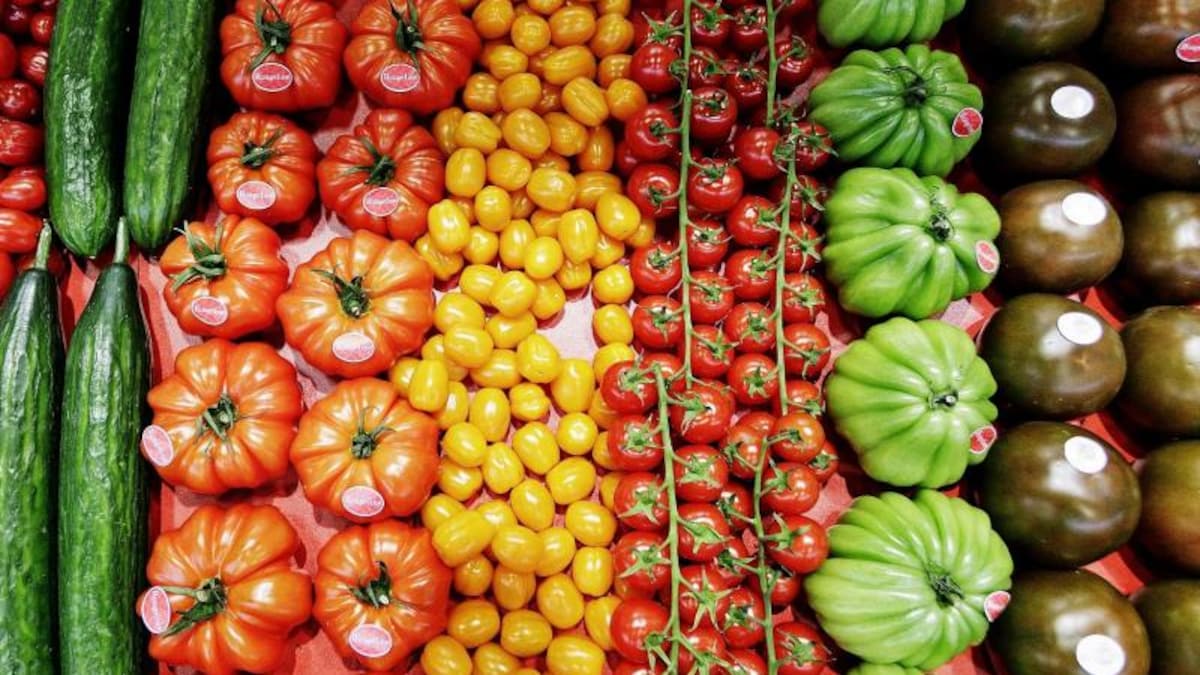
Phytonutrients: Your Kitchen's Secret Health Champions and Natural Medicine
You know that fruits and vegetables are good for you—they're packed with essential vitamins and minerals. But have you heard about their secret weapons? Beyond basic nutrition, plants contain powerful compounds called phytonutrients or secondary plant compounds. These are the unsung heroes that give plants their vibrant colors, distinctive aromas, and unique flavors. More importantly, a growing body of research suggests they offer profound health benefits, acting as a form of natural medicine for your body.
Investing in a diet rich in these compounds is one of the most proactive steps you can take for long-term wellness and preventive healthcare. Just as you would carefully select a health insurance plan—whether it's a comprehensive private medical insurance policy or navigating the benefits of Medicare—to protect your financial health, incorporating phytonutrients protects your physical health. Let's explore these hidden champions and how you can harness their power.
What Exactly Are Phytonutrients?
In simple terms, phytonutrients are bioactive compounds produced by plants. They are not considered essential nutrients like proteins or fats, meaning you won't get a deficiency disease without them. However, they play crucial secondary roles for the plant's survival—protecting it from UV radiation, pests, and diseases—and offer potential health benefits for humans. Think of them as nature's own sophisticated pharmacy, hidden in plain sight on your plate.
Meet the Expert: Uwe Knop
Uwe Knop is a certified nutrition scientist, author, and lecturer. He is part of our EXPERTS Circle. The views expressed are based on his personal expertise.
The Vast World of Plant Power: Major Groups of Phytonutrients
With an estimated 100,000 different substances, of which 5,000-10,000 are in our food, phytonutrients are a diverse family. Key groups include:
- Carotenoids (e.g., beta-carotene in carrots, lycopene in tomatoes): Provide yellow, orange, and red pigments.
- Flavonoids (e.g., quercetin in apples, catechins in green tea): A large group with antioxidant properties.
- Glucosinolates (found in broccoli, kale, cabbage): Responsible for the pungent smell and taste of cruciferous vegetables.
- Phytoestrogens (e.g., isoflavones in soy): Can mimic human estrogen in the body.
- Sulfides (found in garlic, onions): Provide their characteristic strong aroma and flavor.
How Do Phytonutrients Benefit Your Health?
While science notes that correlation is not causation, extensive observational and laboratory studies suggest a strong link between diets rich in phytonutrients and reduced disease risk. The synergistic effect of eating whole, colorful plants is key. Potential benefits include:
- Powerful Antioxidant Activity: Helping to neutralize free radicals and combat oxidative stress.
- Anti-inflammatory Effects: Chronic inflammation is a root cause of many diseases.
- Supporting Heart Health: May help lower blood pressure and improve cholesterol levels.
- Cancer Risk Reduction: Some compounds may help inhibit tumor growth and protect cells.
- Boosting Immune Function: Enhancing your body's natural defense systems.
This makes a phytonutrient-rich diet a cornerstone of preventive health, potentially reducing future reliance on medical care and supporting better health outcomes—a goal aligned with both personal wellness and smart health insurance planning.
Your Action Plan: How to Maximize Phytonutrient Intake
The evidence is clear: the best approach is a daily, varied intake of colorful, fresh, whole plant foods. Don't focus on isolating single compounds; eat the rainbow. Here’s a sample menu designed to maximize your "Phyto-Power":
1. Starter: "Firework Salad" (Rich in Anthocyanins, Glucosinolates, Carotenoids)
Mix red cabbage (shredded), arugula, cherry tomatoes, and roasted beetroot cubes. Top with a lemon-tahini dressing and pumpkin seeds.
2. Main: "Power Bowl" with Kale and Lentils (Rich in Flavonoids, Carotenoids, Saponins)
Sauté chopped kale with garlic. Serve over cooked lentils and quinoa. Add slices of avocado and a sprinkle of turmeric.
3. Dessert: Berry Delight with Cocoa Crunch (Rich in Anthocyanins, Polyphenols)
Combine mixed berries (blueberries, raspberries) with a dollop of Greek yogurt. Top with a sprinkle of raw cacao nibs and chopped walnuts.
The Bottom Line: Food as Your First Line of Defense
Embracing a diet full of colorful fruits, vegetables, nuts, legumes, and whole grains is one of the most effective wellness strategies you can adopt. It's an investment in your long-term health that pays dividends in vitality and may help mitigate future health risks. In the realm of healthcare, being proactive with nutrition is as crucial as understanding your coverage under private insurance or Medicare/Medicaid. Let your plate be your palette, and paint a vibrant, healthy future with every bite.
Image source: Uwe Knop
Book Recommendation (Ad)
"FINALLY EATING RIGHT" Enjoy with a good conscience - Trust your ETHICS & INTUITION by Uwe Knop.