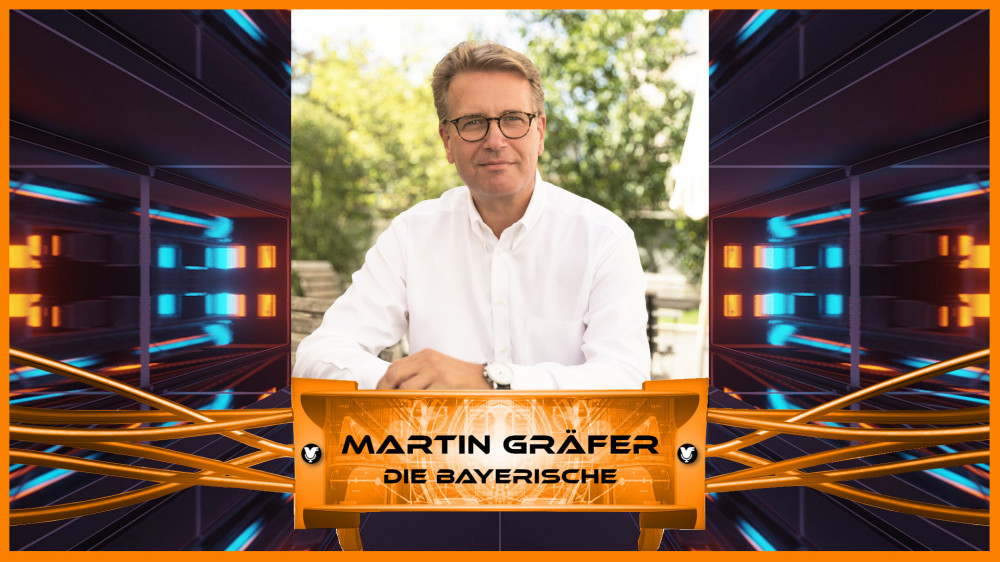
The Future of Insurance in 2030: Why Personal Communication Will Trump Bots
What will the insurance industry look like on February 3, 2030? While many predict a fully automated future dominated by AI and chatbots, Martin Gräfer, Chairman of the Board of die Bayerische, offers a compelling counter-perspective. In an exclusive interview, he makes a bold declaration: "The era of bots is over before it even properly began." Furthermore, he believes that personal communication in financial services is poised for a "massive increase."
This vision challenges the prevailing narrative of a digitized, impersonal future. For insurance brokers, financial advisors, and clients navigating complex decisions—from choosing a German private health insurance (PKV) plan to selecting US long-term care insurance—Gräfer's insights highlight the enduring value of human expertise and trust. This article explores his key predictions and what they mean for the future of insurance consulting and risk management.
The Bot Paradox: Technology as an Enabler, Not a Replacement
Grafers's statement doesn't imply a rejection of technology. Instead, it signals a maturation in how the industry views automation. Bots and AI will become sophisticated tools in the background, handling routine queries, data processing, and initial triage. However, for the core advisory function—understanding nuanced client needs, building trust, and navigating complex emotional and financial decisions—the human advisor will become more critical than ever.
Analogy for US Readers: Think of it like navigating Medicare plans. A website or chatbot can list options, but a licensed agent is invaluable for understanding your specific health needs, budget, and preferences to recommend the best Medicare Advantage or Supplement Plan. The human element interprets the data.
The Resurgence of Personal Communication
Why will personal interaction surge? Gräfer points to several factors:
- Complexity of Risks: As the world becomes more interconnected (cyber threats, climate change, new technologies), insurance products and risk assessment become more complex. Clients need experts to translate this complexity.
- The Trust Deficit: In an age of digital noise and misinformation, trusted personal relationships are a scarce and valuable commodity. People want to speak to a knowledgeable human who is accountable.
- Hyper-Personalization: The future of insurance coverage is personalized policies based on vast data sets (from telematics in cars to health wearables). Interpreting this data and tailoring advice requires a human touch that understands context and life goals.
Key Themes from the Interview: Data, Legacy Tech, and Planning a Trip on TikTok
Grafers's conversation covered a wide range of topics relevant to the industry's evolution:
| Theme | Grafers's Insight / Anecdote | Implication for the Industry |
|---|---|---|
| Data Ownership & Automotive | Highlighted the problem with car manufacturers and driver data. Who owns and controls this data is a critical issue for auto insurance and usage-based policies. | Insurers must navigate partnerships and regulations to access the data needed for innovative products while respecting privacy. |
| Legacy Technology (The Fax) | Addressed the question of how many faxes will be sent in 2030, acknowledging the slow pace of change in some legacy systems. | Digital transformation is uneven. The future will be a hybrid of cutting-edge AI and older, reliable systems for the foreseeable future. |
| Digital Natives in Leadership | Shared that he planned a trip to Japan using TikTok, demonstrating how digital tools are used even at the highest executive levels. | Leadership is becoming digitally fluent. Understanding platforms like TikTok isn't just for marketing; it's about understanding customer behavior and new data sources. |
What This Means for Insurance Professionals and Clients
For Insurance Brokers and Financial Advisors:
- Double Down on Relationship Skills: Your value will increasingly lie in empathy, complex problem-solving, and communication. Invest in these soft skills as much as in technical knowledge.
- Embrace Technology as Your Assistant: Use AI tools to handle administrative tasks, analyze data, and generate insights, freeing you to focus on high-touch client advisory.
- Become a Data Interpreter: Learn to explain how data from IoT devices or health apps influences premiums and coverage, positioning yourself as an essential guide in a data-driven world.
For Insurance Clients and Consumers:
- Seek Advisors, Not Just Platforms: For significant financial planning and insurance decisions, prioritize finding a knowledgeable human advisor you trust over purely digital interfaces.
- Understand the Data Trade-Off: Be aware that sharing more data (e.g., from a smartwatch or car) can lead to more personalized and potentially cheaper policies, but it requires trust in how that data is used.
- The Human Touch is a Premium Service: As routine transactions become automated, personalized advice from a skilled professional may become a valued (and potentially higher-value) service tier.
Martin Gräfer's vision for 2030 is not a return to the past but an evolution towards a more balanced, human-centric future powered by technology. It suggests that the most successful insurance companies and advisors will be those that best combine technological efficiency with irreplaceable human connection, judgment, and trust. The bot handles the form; the human advisor handles the meaning.