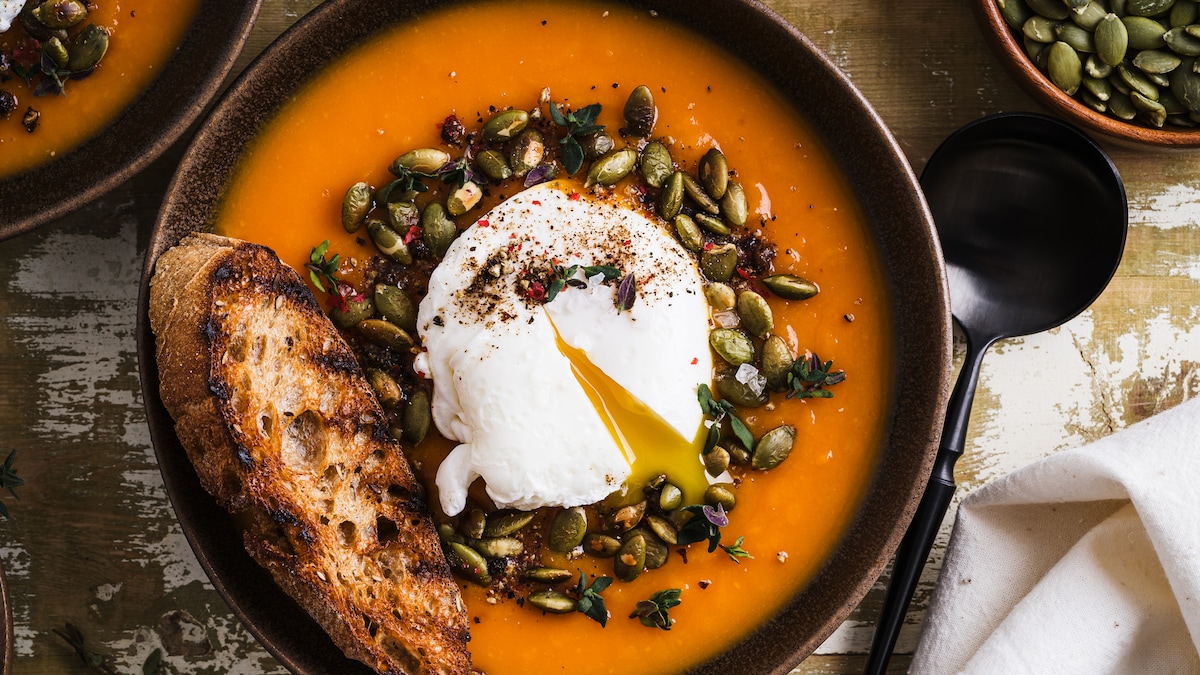
Your Guide to the Ultimate Superfood Pumpkin: Why Hokkaido Reigns Supreme
You love pumpkin for its delicious flavor and easy preparation, but did you know it's also a nutritional powerhouse? With over 800 varieties available, choosing the right one can maximize your health benefits. Think of it like selecting a health plan: just as you'd compare Private Health Insurance options for the best coverage, comparing pumpkin varieties helps you get the most nutritional value for your wellness. Let's explore which pumpkin deserves the top spot in your kitchen.
Why Pumpkin Belongs in Your Healthy Diet
Pumpkins are true nutrient bombs, packed with essential vitamins and minerals. They provide a rich source of beta-carotene (which converts to vitamin A), potassium, B vitamins (B1, B2, B6), vitamin C, and dietary fiber. These nutrients support everything from vision and immune function to heart health and digestion. Incorporating pumpkin into your meals is a smart strategy for overall wellness, much like having comprehensive health coverage protects your long-term well-being.
The Nutritional Champion: Hokkaido Pumpkin
Among all varieties, one stands out as the clear winner: the Hokkaido pumpkin. This popular squash isn't just versatile and tasty—it's the healthiest pumpkin you can eat. Here’s why it earns the title of nutritional champion:
- Rich in Beta-Carotene & Antioxidants: Hokkaido has the highest beta-carotene content, which fights free radicals, reduces inflammation, and supports eye and skin health.
- High in Vitamin C: Boosts your immune system and promotes collagen production.
- Fiber Powerhouse: Its impressive fiber content aids digestion, promotes gut health, and helps maintain healthy cholesterol levels.
- Anti-Inflammatory Benefits: Compounds in Hokkaido pumpkin help reduce inflammation in the body, supporting long-term wellness.
How Hokkaido Compares to Other Popular Pumpkins
While Hokkaido is the nutritional leader, other varieties offer unique benefits. Here’s a quick comparison to help you choose based on your dietary goals:
| Pumpkin Variety | Calories (per 100g) | Key Nutrients & Benefits | Best For |
|---|---|---|---|
| Hokkaido Pumpkin | 60-70 | Highest in beta-carotene, vitamin C, fiber; anti-inflammatory. | Roasting, soups, maximizing nutrient intake. |
| Butternut Squash | ~50 | Sweet flavor, rich in vitamin A, potassium, magnesium. | Purees, creamy soups, baking. |
| Spaghetti Pumpkin | ~30 | Lowest in calories, stringy texture, good source of vitamin C. | Low-carb pasta alternative, light meals. |
| Muscat Pumpkin | ~20 | Very low calorie, mild flavor, high water content. | Stews, curries, adding volume without calories. |
Debunking the Calorie Myth: Why Hokkaido Supports Weight Management
You might notice Hokkaido has more calories than other pumpkins—but don't let that deter you. Just as a higher-premium health plan often offers better coverage, Hokkaido’s slightly higher calorie count comes with superior nutritional density. Its high fiber content promotes lasting satiety, helping you feel full longer and reducing overall calorie intake. This makes it an excellent food for weight management and maintaining a healthy diet. Remember, nutritious calories fuel your body effectively, unlike empty calories from processed foods.
How to Enjoy Hokkaido Pumpkin for Maximum Health Benefits
Ready to add this superfood to your meals? Here are simple, delicious ways to enjoy Hokkaido pumpkin:
- Roasted: Cube and roast with olive oil and herbs for a hearty side dish.
- In Soups: Blend into creamy, comforting soups packed with vitamins.
- As a Mash: Substitute for potatoes for a nutrient-rich alternative.
- In Salads: Add roasted chunks to autumn salads for extra fiber and flavor.
By choosing Hokkaido pumpkin, you’re opting for the most nutrient-dense variety that supports digestive health, immune function, and overall vitality. Make it a staple in your fall cooking for a delicious boost to your wellness routine.