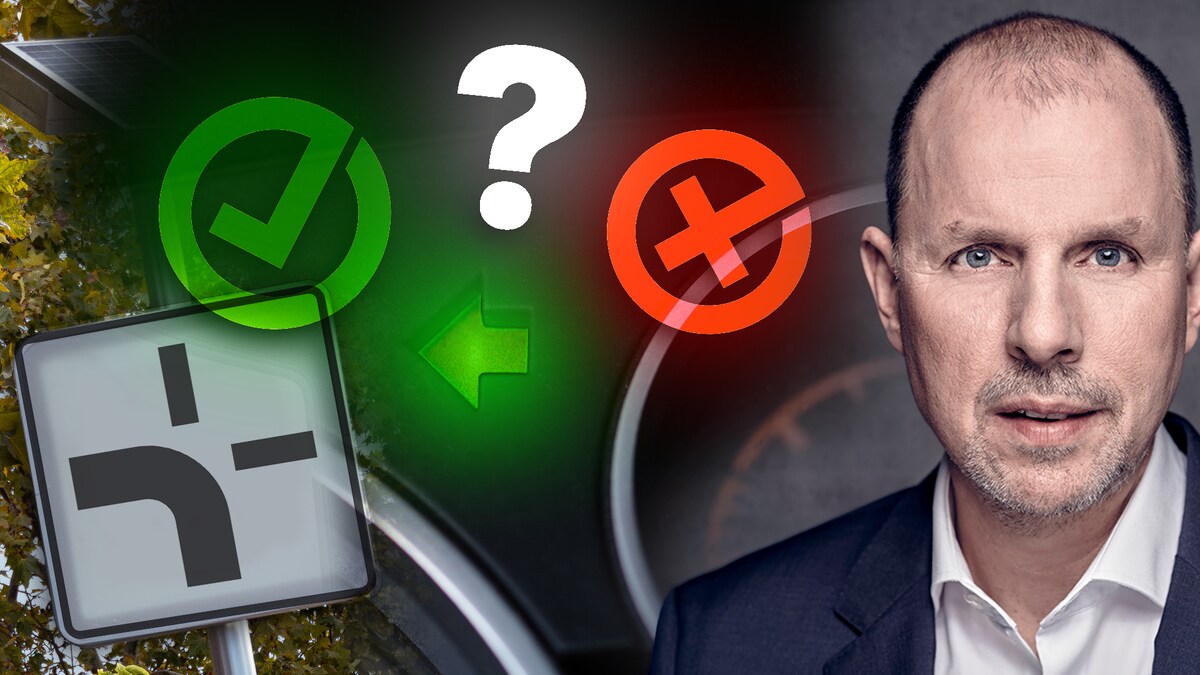
Turning Signal Rules on Bending Priority Roads: Your Guide to Safe and Legal Driving
Navigating a bending priority road can be confusing for many drivers. Knowing when to use your turn signal is not just about courtesy—it's a legal requirement that prevents car accidents and avoids traffic fines. In this guide, legal expert Prof. Christian Solmecke explains the clear rules, so you can drive confidently and safely.
Understanding Bending Priority Roads
A bending priority road is marked by a specific road sign (a yellow diamond with a black arrow indicating the bend). While the sign is familiar, the traffic laws for signaling on such roads are often misunderstood. The key principle is simple: your turn signal must indicate whether you are following the bend or exiting the priority road.
When Must You Use Your Turn Signal?
The rule is straightforward:
- If you are following the bend of the priority road, you must use your turn signal. This alerts other drivers and pedestrians to your intended path, ensuring road safety and preventing misunderstandings.
- If you are exiting the priority road by driving straight, you must not signal. Using your blinker in this situation can mislead others, potentially causing dangerous traffic violations or collisions.
Legal Consequences of Incorrect Signaling
Failing to follow these rules can result in penalties:
| Violation | Potential Consequence | Why It Matters |
|---|---|---|
| Not signaling when required (e.g., when following the bend) | A warning fine of €10; higher liability in case of an auto accident | You breach traffic regulations, increasing accident risk and legal liability. |
| Signaling incorrectly (e.g., blinking but driving straight) | Shared fault in an accident; possible fines for causing confusion | Misleading signals can directly cause collisions, making you partially responsible. |
As Prof. Solmecke notes, improper signaling doesn't just risk a fine—it can escalate liability in an accident. Always ensure your signals match your actions to uphold safe driving practices.
Practical Tips for Drivers
To stay compliant and safe:
- Observe the road signs carefully. Identify bending priority roads early to prepare your signaling.
- Signal only when necessary. Remember: blink when following the bend, do not blink when exiting straight.
- Stay predictable. Clear signaling helps other drivers anticipate your moves, reducing traffic hazards.
- Review local traffic laws. While these rules are standard, familiarize yourself with any regional variations in driving rules.
Expert Insight from Prof. Christian Solmecke
Prof. Christian Solmecke, a partner at the Cologne-based media law firm WBS.LEGAL, emphasizes that understanding and applying these traffic laws is essential for every driver. His expertise in legal advisory, including road safety regulations, underscores the importance of compliance not just to avoid fines, but to protect yourself and others on the road.
By mastering these simple yet critical rules, you contribute to a safer driving environment. Remember: correct turn signal use is a cornerstone of defensive driving and legal adherence.
This content is provided by the FOCUS online EXPERTS Circle. Our experts possess high-level specialized knowledge in their fields and are not part of the editorial team. Learn more.