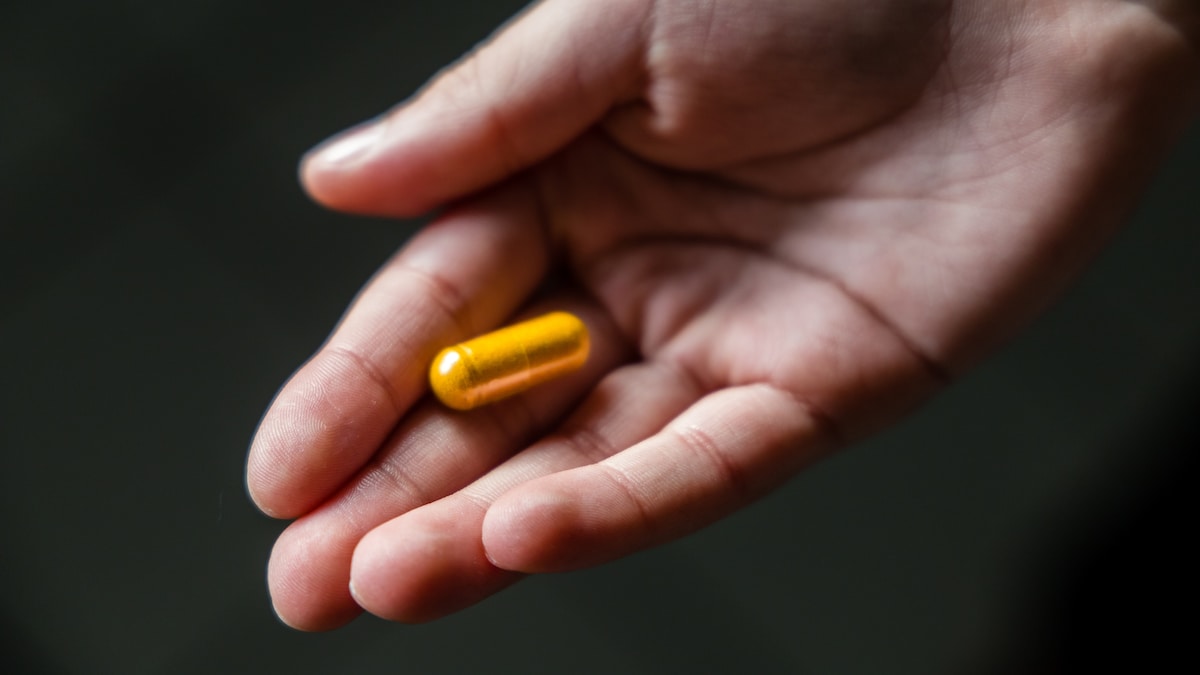
Liver Alert: 6 Dietary Supplements Linked to Toxicity and Damage
In the quest for better health, many turn to herbal and dietary supplements, trusting their "natural" labels. However, a growing body of research, including a significant study from the University of Michigan, reveals a hidden danger: certain popular supplements can cause severe, even life-threatening, liver damage. This risk is often overlooked because supplements are regulated as foods, not drugs, allowing them to bypass the rigorous safety testing required for pharmaceuticals. Protecting your liver is as critical as having comprehensive health insurance—both are essential safeguards against unforeseen health crises.
The Alarming Statistics: Supplements and Liver Injury
The U.S.-based Drug Induced Liver Injury Network (DILIN) has tracked a disturbing trend. Over the past two decades, the proportion of liver injuries caused by dietary supplements has nearly tripled. Furthermore, liver transplants due to supplement-induced damage increased by 70% between 2010 and 2020. A recent study estimated that 15 million American adults regularly consume supplements known to be potentially toxic to the liver.
The 6 High-Risk Supplements Identified by Research
The study highlighted six supplement categories most frequently associated with hepatotoxicity (liver damage):
| Supplement | Commonly Used For | Potential Liver Risk |
|---|---|---|
| Green Tea Extract | Weight loss, antioxidant boost. | High concentrations of catechins (like EGCG) can cause oxidative stress and acute liver injury, especially on an empty stomach. |
| Turmeric/Curcumin | Anti-inflammatory, joint pain. | High-dose supplements may cause liver inflammation and cholestasis (impaired bile flow). Risk is lower with culinary use. |
| Ashwagandha | Stress relief, energy, adaptogen. | Can induce liver injury, potentially through an idiosyncratic (unpredictable) hypersensitivity reaction. |
| Garcinia Cambogia | Weight loss, appetite suppression. | Contains hydroxycitric acid (HCA), linked to several cases of acute liver failure and hepatitis. |
| Kava Kava | Anxiety, relaxation. | Well-documented hepatotoxin; banned or restricted in several countries due to risk of severe liver damage. |
| Multi-Ingredient Supplements | Various (weight loss, bodybuilding, energy). | Particularly dangerous. Complex blends may contain undisclosed pharmaceuticals, steroids, or toxic herb combinations that overwhelm the liver. |
Why Are These "Natural" Products So Dangerous?
Several factors contribute to the risk:
- Lack of Regulation: In the U.S. and many other countries, supplements do not require pre-market approval for safety or efficacy from agencies like the FDA. This is starkly different from the regulation of prescription drugs or even the oversight of Medicare and private insurance plans, which have defined standards.
- High Concentration: Supplements contain isolated, concentrated compounds at doses far exceeding what is found in whole foods (e.g., a bottle of green tea extract capsules equals dozens of cups of tea).
- Adulteration & Contamination: Products may be contaminated with heavy metals, pesticides, or even laced with undeclared prescription drugs (common in weight loss and bodybuilding supplements).
- Idiosyncratic Reactions: Liver damage can be unpredictable and occur even at recommended doses in susceptible individuals.
- Delayed Diagnosis: Because they are perceived as safe, doctors and patients may not suspect supplements, delaying crucial treatment.
Key Differences: Whole Food vs. Supplement
It's vital to distinguish between consuming a plant as food and taking it in concentrated supplement form.
- SAFE: Drinking green tea, using turmeric as a spice in cooking, eating fresh fruits and vegetables.
- RISKY: Taking high-dose green tea extract pills, mega-dose curcumin capsules, or complex herbal blends for prolonged periods.
As the German Consumer Advice Centre notes, turmeric as a spice is a safe food, and green tea can be consumed without concern. The danger lies in the unregulated, concentrated extracts sold as supplements.
How to Protect Your Liver: A Safe Supplement Strategy
- Prioritize Food First: Aim to get nutrients from a balanced, whole-food diet rich in fruits, vegetables, lean proteins, and whole grains.
- Consult Your Doctor: Always talk to your physician or a registered dietitian before starting any new supplement, especially if you have pre-existing liver conditions, take other medications, or are pregnant.
- Choose Reputable Brands: Look for supplements that are third-party tested by organizations like USP, NSF, or ConsumerLab.com.
- Start Low & Monitor: If you do take a supplement, start with the lowest effective dose. Be alert for symptoms of liver stress: unusual fatigue, yellowing of skin/eyes (jaundice), dark urine, abdominal pain, nausea.
- Avoid Multi-Ingredient "Miracle" Blends: These pose the highest risk due to unknown interactions and potential adulterants.
- Report Problems: If you suspect a supplement is causing harm, stop taking it immediately and report it to your doctor and the relevant food safety authority.
Conclusion: Natural Does Not Always Mean Safe
The booming supplement market offers promise but carries significant, under-publicized risks for liver health. The six supplements highlighted—green tea extract, turmeric/curcumin, ashwagandha, garcinia cambogia, kava kava, and multi-ingredient blends—have clear associations with liver injury. Approach supplements with the same caution you would apply to any substance that alters your body's chemistry. Invest in your liver health through a nutrient-rich diet, regular check-ups, and informed, cautious use of supplements only when truly necessary and under professional guidance. Your liver is your body's essential detoxification center; protecting it is one of the best investments you can make in your long-term well-being.