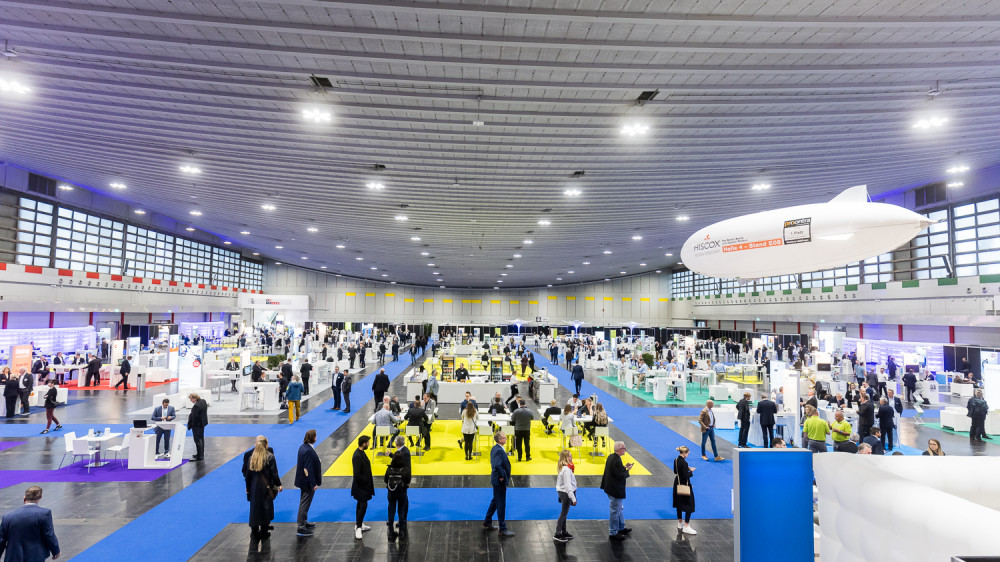
DKM 2021: A Hybrid Insurance Expo Model and Key Takeaways for Brokers
Imagine the buzz of a major industry event—networking, roundtable discussions, and exclusive previews. For the insurance sector in Germany, that event is the DKM expo in Dortmund. The 2021 edition marked a significant shift, embracing a hybrid event model that combined limited in-person attendance with extensive online streaming. This adaptation offers a fascinating case study for insurance professionals worldwide, including those navigating the complexities of the US private health insurance market and federal programs like Medicare and Medicaid.
While the elephant-round discussions and crowded halls were missed, the hybrid DKM 2021 successfully connected 2,400 intermediaries on-site with an additional 2,300 online. This model ensured crucial industry dialogue continued, focusing on pressing issues like regulatory changes, sustainable investing, and distribution challenges. For a US audience, think of it as a blend of a traditional NAIC (National Association of Insurance Commissioners) meeting and a virtual InsurTech summit, specifically tailored for the German PKV (private health insurance) and GKV (statutory health insurance) landscape. Understanding these European dynamics can provide fresh perspectives on debates surrounding Medicare Advantage plans or the role of brokers in the ACA (Affordable Care Act) marketplaces.
Key Themes and Insights for Insurance Professionals
The discussions at DKM 2021 transcended local German context, touching on universal challenges in the insurance advisory field.
1. Navigating Political and Regulatory Winds
A primary concern was the potential impact of the new German coalition government on insurance intermediaries. Experts suggested major disruptive legislation was unlikely due to political divergences. This mirrors concerns in the US, where insurance agents and brokers must constantly adapt to shifts in administration that could affect Medicare supplement plans (Medigap), Medicaid eligibility, or regulations governing Private Health Insurance (PHI) brokers. The consensus emphasizes vigilance and advocacy to protect the advisory landscape.
2. The Sustainability Imperative: Risk and Investment
Climate change was a dominant topic, framed not just as a trend but as a core risk and fiduciary duty. Insurers face a dual challenge: underwriting increasing climate-related damages and aligning their vast investment portfolios with ESG (Environmental, Social, and Governance) principles. For US-based advisors, this is directly analogous to evaluating carriers offering Medicare Part D or group health plans—their long-term stability and investment strategies directly impact their ability to pay future claims and offer sustainable products.
3. The Broker's Evolving Role: Independence vs. Integration
A critical debate centered on broker demographics and dependence on larger broker pools (akin to US insurance marketing organizations or clusters). A study revealed that while about 75% of brokers work closely with pools, these partnerships are increasingly seen as tools to preserve independence. Pools provide essential digital tools and administrative support, helping solo agents or small firms compete against direct-to-consumer digital insurers. This is highly relevant for US independent agents selling Final Expense insurance, Annuities, or Medicare plans, who must balance leveraging FMO (Field Marketing Organization) resources with maintaining their client-centric advisory role.
Comparative Analysis: German PKV/GKV vs. US Health Insurance Systems
To help American readers better understand the German context discussed at DKM, here’s a comparative table:
| Aspect | Germany (PKV / GKV) | United States (Private Insurance / Medicare-Medicaid) | Implication for Brokers/Agents |
|---|---|---|---|
| Core System | Dual system: Public GKV (statutory) for most, Private PKV for higher earners/self-employed. | Mixed system: Employer-sponsored, Individual Market, Public Medicare (65+), Medicaid (low-income). | Specialization is key. In Germany, advisors navigate two distinct systems. In the US, agents often specialize in Medicare, Commercial Group Health, or Individual/Family Plans. |
| Role of Intermediary | Strong, independent broker (Versicherungsmakler) model, legally bound to client. | Licensed Agent/Broker model; can be captive (one carrier) or independent (multiple carriers). | Both face similar challenges: digitization, regulatory compliance, and demonstrating value beyond price comparison. |
| Current Challenges | Demographic aging of brokers, sustainability/ESG, political scrutiny of commissions. | Navigating ACA changes, Medicare Advantage plan complexity, rising healthcare costs, lead generation. | Advisors in both markets must continuously educate themselves and leverage technology to serve clients effectively. |
| Digital Transformation | Pools providing digital tools to maintain broker independence against online competition. | FMOs and carriers offering CRM, quoting, and enrollment platforms to independent agents. | The need for integrated tech stacks is universal to improve efficiency and client experience. |
The Future is Hybrid: DKM365 and Beyond
Recognizing the success of the hybrid model, the organizers launched DKM365, a permanent digital platform for streaming events and content. This reflects a global shift in insurance professional development—towards continuous, on-demand learning and networking. For an independent insurance agent in Texas or a financial planner in Ohio, the lesson is clear: embracing a hybrid approach to client meetings (in-person and virtual) and professional education is no longer optional but essential for growth.
The DKM 2021 expo demonstrated resilience and adaptability. The insights gathered—on regulation, sustainability, and the future of advisory—are invaluable for any serious insurance professional. Whether you are advising on German private health insurance (PKV) or comparing Medicare Supplement Plan G vs. Plan N, the core principles remain: stay informed, leverage partnerships wisely, embrace technology, and always prioritize the client's long-term security. The planned return to a full-scale DKM 2022 expo signals optimism, but the hybrid genie is out of the bottle, promising a more accessible and dynamic future for insurance knowledge exchange.