Expanding Worker Protections: Three New Conditions Recognized as Occupational Diseases in Germany
In a significant update to worker safety and compensation frameworks, Germany will officially add three new medical conditions to its national list of occupational diseases (Berufskrankheiten) effective April 1, 2025. This change, enacted through the Sixth Ordinance Amending the Occupational Diseases Ordinance (BKV), reflects evolving medical understanding of the long-term health impacts of specific professions. The update underscores the critical role of Germany's statutory accident insurance (gesetzliche Unfallversicherung) in protecting workers who develop illnesses directly linked to their job duties.
The Three New Recognized Occupational Diseases
The newly listed conditions, based on recommendations from the Medical Expert Advisory Board on Occupational Diseases, are:
- Rotator Cuff Tear of the Shoulder due to Long-Term, Intensive Strain: This recognizes chronic shoulder injuries resulting from years of demanding physical labor involving repetitive overhead work or heavy lifting (e.g., in construction, manufacturing, or nursing).
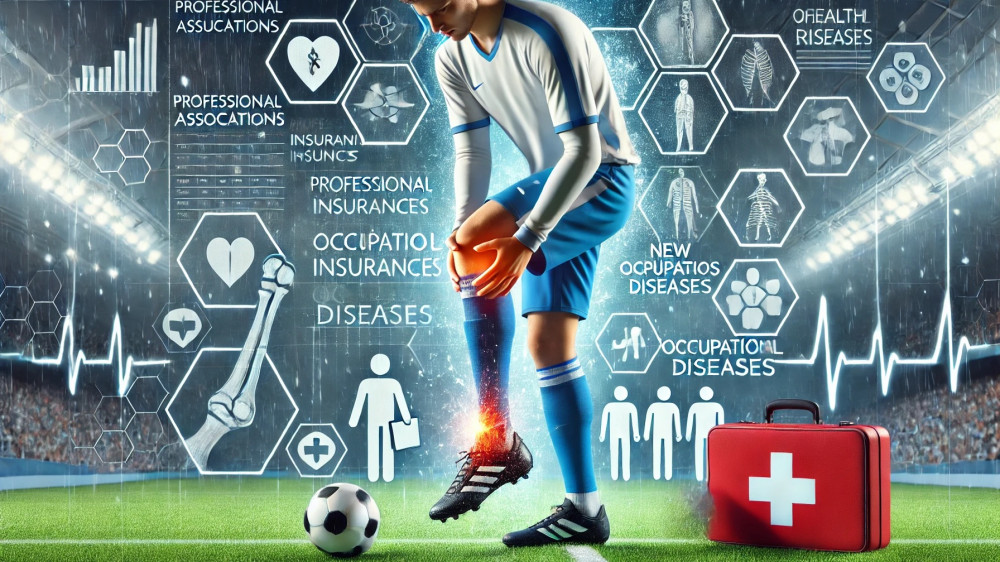
- Gonarthrose (Knee Osteoarthritis) in Professional Footballers: This specifically addresses the degenerative joint disease of the knee caused by the extreme, prolonged physical stress inherent to a career in professional soccer.
- Chronic Obstructive Bronchitis including Emphysema due to Long-Term Quartz Dust Exposure: This expands protections for workers in industries like mining, quarrying, foundries, or construction who are exposed to silica dust over many years, leading to severe, irreversible lung disease.
Understanding the "Occupational Disease" Designation in Germany
In the German social security system, a condition is classified as an occupational disease only under strict criteria:
- Causal Link: The disease must be scientifically recognized as caused by specific hazardous exposures at work (e.g., chemicals, dust, repetitive motion, extreme physical stress).
- Heightened Risk: Affected worker groups must be exposed to these hazards at a significantly higher degree than the general population.
- Individual Proof: In each individual case, it must be demonstrable that the work-related exposure was a substantial cause of the illness.
This designation triggers the responsibility of the statutory accident insurance providers (the employers' liability insurance associations - Berufsgenossenschaften - and public-sector accident funds - Unfallkassen).
Rights and Benefits for Affected Workers
If an illness is recognized as an occupational disease, the affected employee is entitled to comprehensive support from the statutory accident insurer, which is entirely separate from standard public health insurance (gesetzliche Krankenversicherung, GKV). The primary goal is rehabilitation. Benefits can include:
| Type of Benefit | Description |
|---|---|
| Medical Treatment & Rehabilitation | Full coverage for all necessary medical care, therapies, and rehabilitation measures aimed at restoring health and function. |
| Occupational Rehabilitation | Support for retraining or vocational adjustment if the worker can no longer perform their previous job. |
| Financial Compensation | Payment of a temporary injury benefit (Verletztengeld) during inability to work. |
| Pension for Permanent Impairment | If significant permanent disability remains despite rehabilitation, the worker receives a monthly pension (Rente) based on the degree of impairment and former earnings. |
Implications for Workers and Employers
For Employees in At-Risk Professions: This expansion is a crucial step in acknowledging the real health costs of certain jobs. Workers experiencing symptoms related to these new listings after April 2025 should report them to their employer and consult a doctor familiar with occupational medicine. The claim process is initiated through the relevant statutory accident insurance provider.
For Employers: The update reinforces the importance of rigorous workplace safety measures (Arbeitsschutz), such as proper ergonomics, dust control, and health monitoring, to prevent these conditions. It also highlights their financial responsibility through mandatory contributions to the statutory accident insurance system.
This legal update brings Germany's worker protection system in line with modern medical evidence, ensuring that individuals who develop these specific work-related conditions receive the specialized care and financial support they need.