Let me start with a simple but uncomfortable truth: The days of stable premiums and predictable building risks are over. Future insurance premiums are becoming increasingly difficult to forecast. What we are experiencing now is not a normal market phase—it is a structural turning point. For you as a property owner, this means the homeowners insurance that was once a reliable, calculable part of your investment is beginning to erode. This challenges the very foundation of property value, affordability, and long-term viability.
Advertisement
The causes are converging: rising repair and construction costs have been driving claim amounts higher for years, extreme weather events are reshaping risk assessments, and stricter regulatory requirements are tying up more capital on the insurer side. At the same time, there are political expectations that insurance coverage should be universally available and affordable—regardless of individual risk. But insurance follows economic logic, not political logic. Insurers respond with higher premiums, stricter underwriting guidelines, and more selective risk acceptance. The result is clear: building insurance is getting more expensive.
These costs don't stay with the property owner alone. In the housing industry, a simple economic mechanism applies: rising insurance costs are passed on through operating expenses. Ultimately, it's always the user of the property who pays—the owner through lower returns, or the tenant through higher utility costs. Most often, both feel the pinch. In my daily practice as an insurance broker, I see how the perspective is shifting. We are realizing that the era of homeowners insurance as a predictable standard product is coming to an end.
What used to be solved through capacity is now decided through risk selection. What used to be decided through price is now increasingly decided through prevention and data quality. It's no longer just about whether a building can be insured, but under what conditions, at what cost, and looking ahead—whether it can be insured at all. A look at the U.S. shows where this trend can lead. In states like California or Florida, buildings are becoming nearly uninsurable or only at extremely high premiums. Not because insurers are shirking their responsibility, but because economic rationality has limits. Germany is still far from that point, but we are moving in that direction.
At the same time, Germany's older building stock is in the midst of a historic transformation. Millions of owners are investing in photovoltaic systems, heat pumps, and new technologies. This is necessary and correct, but it also changes the risk structure. Buildings are becoming more complex, more technical, and more individualized—and therefore more challenging to assess from a risk perspective. Insurance coverage is no longer an isolated product. It is part of a comprehensive risk management strategy, and that strategy begins not with the insurer, but with the building itself: its location, its construction, its users, and its resilience to climate risks.
Advertisement
This fundamentally changes the role of the insurance intermediary as well. Our job is no longer just to organize insurance coverage. Our task is to understand risks, translate them, and develop strategies together with property owners to ensure long-term insurability. We are moving from product brokers to risk advisors. This is a demanding task, but it is also a great opportunity for our profession. In an increasingly complex market, qualified advice and foresight are needed more than ever. Insurability is no longer a given—it is the result of conscious decisions.
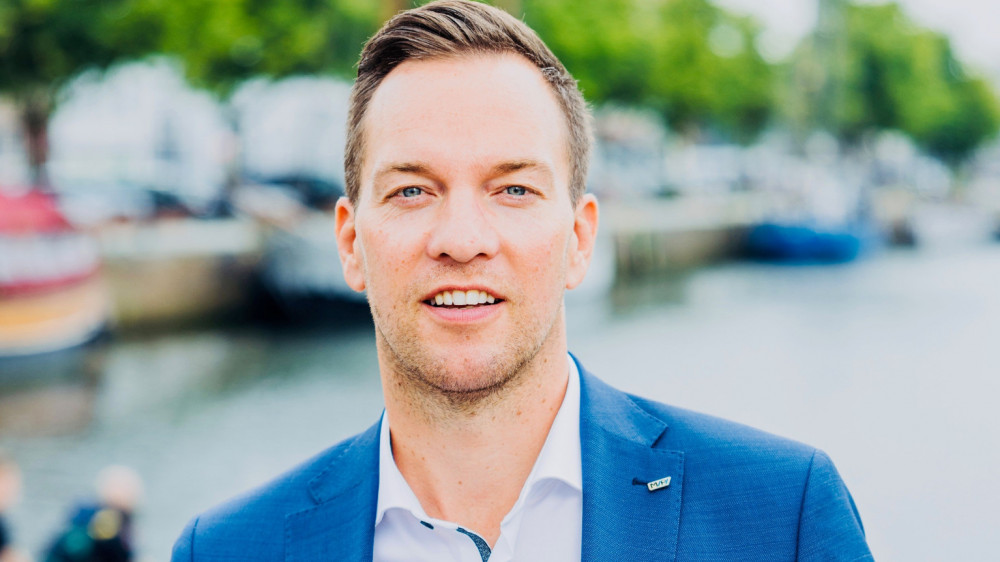
Nico Streker, Managing Director of Asspick Versicherungsmakler GmbH
Independent professionals are often doers—they shape their work and life on their own terms. And retirement? For that, an efficient and return-oriented retirement plan belongs on your bucket list.