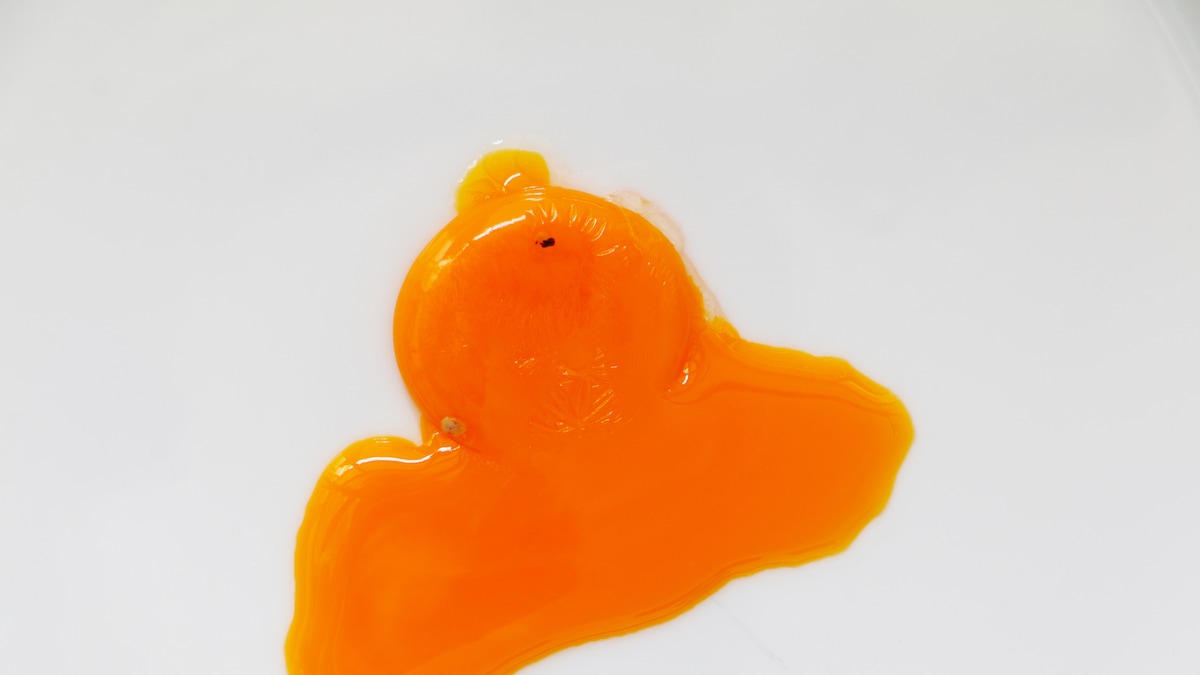
Red Spot in Egg: Is It Safe to Eat? Debunking Myths About Blood Spots in Eggs
You crack open a fresh egg for your breakfast or baking, and there it is—a small red or brownish spot. Your first instinct might be to worry. Is the egg bad? Is it unsafe? Should you throw it away? This common kitchen concern is often based on a misunderstanding. According to reports from sources like the Czech portal "ChefChef," that little spot is almost always a harmless blood spot (or "meat spot"), a natural occurrence that doesn't affect the egg's safety or nutritional value. Let's crack the case on egg blood spots and give you the confidence to handle your eggs safely.
What Is That Red Spot in the Egg? The Science Explained
Contrary to popular belief, a red spot is not a sign of fertilization or an embryo. It is not a sign of spoilage or contamination either. It is simply a tiny blood vessel that ruptured in the hen's ovary or oviduct during the egg formation process. Think of it like a minor bruise that occurred before the eggshell even formed.
These blood spots in eggs can be caused by several factors:
- Physical stress on the hen's reproductive system.
- Sudden fright or stress in the coop.
- Genetic predisposition of certain hens.
- Dietary factors, such as a temporary deficiency in Vitamin K, which is essential for proper blood clotting.
Importantly, the presence of a blood spot is not related to the egg's freshness, the farming method (organic, free-range, cage-free), or the brand. It is a natural, albeit occasional, part of the laying cycle.
Food Safety First: Are Eggs with Blood Spots Safe to Eat?
The definitive answer from food safety experts is yes. An egg with a small blood spot is perfectly safe to consume, provided the egg itself is fresh.
The blood spot is not an indicator of bacteria, infection, or the beginning of rot. It is a cosmetic flaw, not a safety hazard. If the eggshell is intact, the egg smells normal (no sulfuric, rotten odor), and the egg white and yolk have a typical consistency, the egg is good to use.
What to do if you find a blood spot: If the spot bothers you aesthetically, you can easily remove it with the tip of a clean knife, spoon, or toothpick. Removing it will not affect the egg in any way.
How to Truly Check Egg Freshness and Safety
Since blood spots are not a freshness indicator, how can you tell if an egg has gone bad? Use these simple, reliable methods instead of relying on visual spots:
- The Float Test: Place the egg in a bowl of cold water. Fresh eggs sink and lie flat on the bottom. Older (but still possibly usable) eggs will stand upright on the bottom. Eggs that float to the surface are old and should be discarded, as a large air cell has formed inside.
- The Sniff Test: After cracking the egg, give it a quick smell. A fresh egg has little to no odor. A spoiled egg will have a distinct, unpleasant sulfuric or rotten smell—this is the true sign to throw it away.
- The Visual Test (Post-Crack): Look at the yolk and white. A fresh egg has a firm, round yolk and a thick, gelatinous egg white that doesn't spread much. An old egg will have a flatter yolk and a very runny, watery white.
For more detailed guidance, you can follow tips on how to recognize spoiled eggs.
Nutritional Powerhouse: Don't Miss Out on Egg Benefits
Discarding an egg solely because of a blood spot means missing out on a nutritional superfood. Eggs are an excellent source of:
- High-quality protein
- Vitamins A, D, E, and B12
- Minerals like zinc, iron, and selenium
- Choline, essential for brain health
A tiny blood spot does not diminish this nutritional profile in any way.
Conclusion: Crack On With Confidence
Next time you encounter a red spot in your egg, remember it's just a minor natural imperfection—like a small flaw in an otherwise perfect product. It is not a food safety warning. Your main tools for ensuring egg safety are the float test, the sniff test, and checking the overall appearance after cracking. So, go ahead and use that egg in your omelet, baking, or hard-boiled snack without worry. Understanding the truth about blood spots in eggs helps reduce food waste and allows you to fully enjoy the health benefits of this versatile and nutritious food.