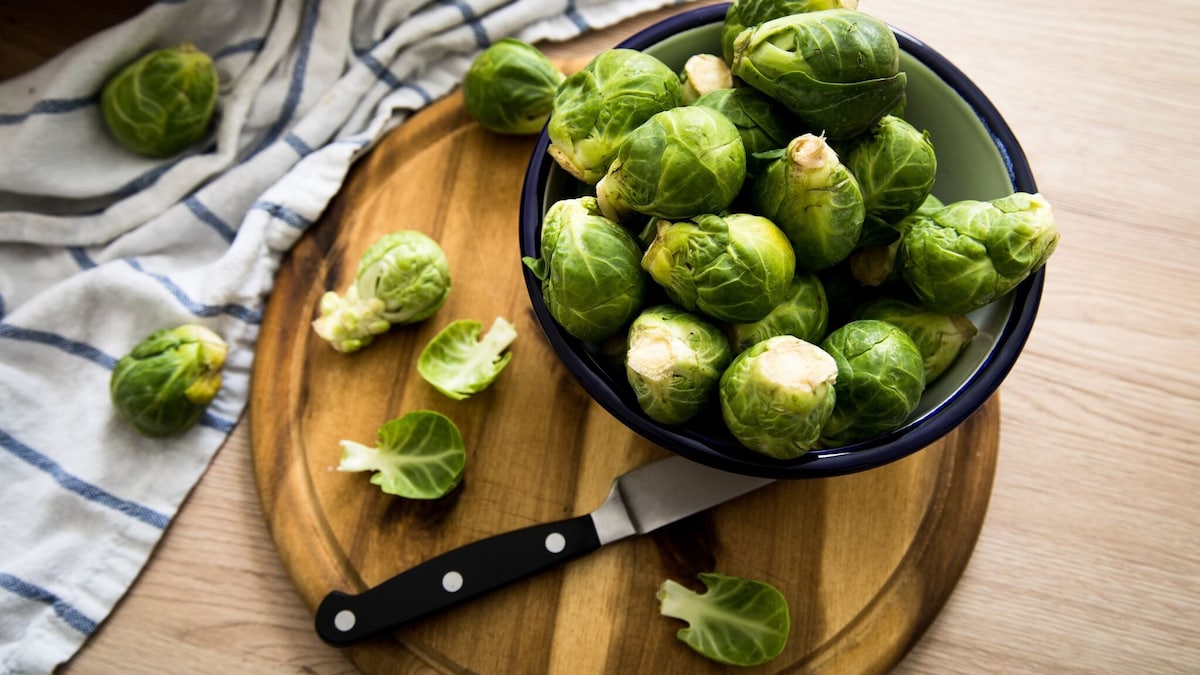
The Simple Trick to Make Brussels Sprouts Taste Amazing
When the weather turns cold, nothing beats a comforting, nutritious meal. Brussels sprouts are the perfect winter vegetable for the job—crisp, aromatic, and loaded with health benefits. But their reputation for bitterness often precedes them. The secret to delicious Brussels sprouts lies in one simple preparation trick. Mastering this method will transform them into a crave-worthy side dish that supports your preventive health goals. Just as you'd choose the right health insurance plan for comprehensive coverage, choosing the right cooking technique ensures you get the most from your food.
Why Brussels Sprouts Are a Nutritional Powerhouse
Before we get to the trick, let's appreciate why this vegetable is worth the effort. Brussels sprouts are a member of the cruciferous vegetable family, renowned for their health-promoting properties. They are an excellent source of:
- Fiber: Supports digestive health and promotes satiety.
- Vitamin C & Vitamin K: Boosts immunity and supports bone and blood health.
- Antioxidants & Glucosinolates: Compounds that have been studied for their potential role in cellular protection and reducing inflammation.
Incorporating vegetables like Brussels sprouts into your diet is a smart, proactive step for long-term health, potentially reducing the risk of chronic illnesses and supporting your body's natural defenses—a dietary form of preventive care.
The Golden Rule: How to Select and Store Brussels Sprouts
Great results start with great ingredients.
- Selection: Choose sprouts that are firm, bright green, and free of yellowing leaves or dark spots. Smaller sprouts are often sweeter and more tender.
- Storage: To maintain freshness, store unwashed sprouts in a plastic bag or airtight container in your refrigerator's crisper drawer. They can also be wrapped in a damp paper towel. Properly stored, they'll stay fresh for several days.
- Freezing: For long-term storage, blanch them in boiling water for 3 minutes, then immediately plunge into ice water to stop the cooking process. Drain thoroughly, spread on a tray to "flash freeze" for 30 minutes, then transfer to a freezer-safe container. This preserves texture and nutrients.
The Simple Trick for Perfect Brussels Sprouts
The one step that makes all the difference is dry roasting or high-heat cooking with adequate space. Here’s how to do it:
- Prep Properly: Trim the stem end and remove any loose or discolored outer leaves. Halve or quarter larger sprouts so they cook evenly.
- Dry Thoroughly: After washing, pat the sprouts completely dry with a kitchen towel. Excess moisture is the enemy of crispy, caramelized edges.
- The Key Step – Don't Crowd the Pan: Whether you're roasting, sautéing, or air-frying, give the sprouts plenty of space on the baking sheet or pan. Overcrowding causes them to steam, leading to a soggy, bitter texture. For roasting, toss them with a high-heat oil (like avocado or olive oil), salt, and pepper.
- Cook at High Heat: Roast in a preheated oven at 400°F (200°C) or higher. The high heat caramelizes the natural sugars in the sprouts, transforming their flavor from bitter to sweet, nutty, and irresistible. Cook until they are tender on the inside and beautifully browned and crispy on the outside.
This method ensures the Maillard reaction (the browning process) occurs, which is responsible for creating complex, delicious flavors. It's the culinary equivalent of utilizing the full benefits of your health insurance—you're extracting maximum value from your ingredients.
Connecting Nutrient-Rich Eating to Overall Wellness
Eating a diet rich in vegetables like Brussels sprouts is a cornerstone of preventive healthcare. A nutrient-dense diet supports immune function, reduces systemic inflammation, and helps maintain a healthy weight—all factors that can influence your long-term healthcare needs and associated costs.
| Nutrient in Brussels Sprouts | Health Benefit | Link to Proactive Health Management |
|---|---|---|
| Fiber | Promotes gut health, stabilizes blood sugar, aids satiety. | Helps in weight management and diabetes prevention, conditions that are a major focus of preventive care covered by Medicare and private insurance plans. |
| Vitamin C & Antioxidants | Strengthens immune system, fights oxidative stress. | Supports overall resilience, potentially reducing the frequency of minor illnesses. Good nutrition is a daily practice that complements your medical coverage. |
| Vitamin K | Essential for blood clotting and bone metabolism. | Contributes to long-term skeletal health, helping to prevent osteoporosis—a condition that can lead to high healthcare expenses. |
Remember, your annual wellness visit (covered by most health insurance plans, including Medicare Advantage and ACA-compliant plans) is an ideal time to discuss nutrition with your doctor. They can provide guidance tailored to your health profile.
Enjoy Your Veggies, Boost Your Health
With this simple cooking trick, you can turn Brussels sprouts from a dreaded vegetable into a celebrated part of your meal. Embracing delicious, healthy foods is a joyful and effective way to invest in your well-being. Just as you manage your health insurance to protect your financial health, manage your diet to protect your physical health. Give this method a try this winter—your taste buds and your body will thank you.
This article is for informational purposes only and is not medical advice. For personalized dietary recommendations, consult a healthcare provider or registered dietitian.