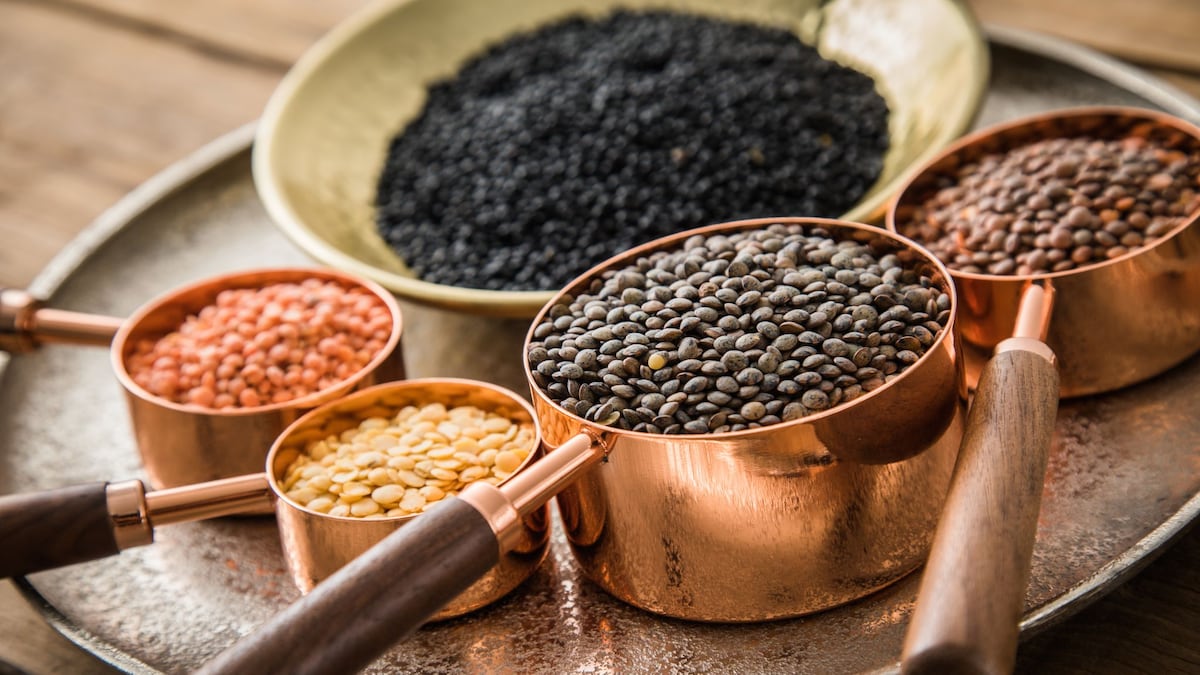
Prevent Iron Deficiency: These Legumes Work Better Than Many Supplements
Are you struggling with low energy, fatigue, or suspect you might have iron deficiency? You might immediately think of red meat or synthetic iron pills. But what if one of the most effective solutions has been growing in the earth for millennia? Lentils, peas, and soybeans—some of humanity's oldest cultivated plants—hold a powerful, often overlooked secret: ferritin iron. This natural, protein-wrapped form of iron is not only highly bioavailable but may be a gentler, more effective way to boost your iron levels than many conventional supplements. Let's explore why these humble legumes deserve a starring role in your diet for optimal health.
What is Ferritin Iron? The Superior Plant-Based Mineral
In legumes like lentils, up to 70% of their iron content is stored as ferritin. Unlike the free, ionic iron found in supplements or some foods, ferritin iron is safely encapsulated within a spherical protein shell. This natural packaging is a game-changer for absorption and tolerance.
Expert Insight from Prof. Dr. Klaus Günther: A leading food scientist and biochemist, and a member of our EXPERTS Circle, Prof. Günther highlights the significance: "Ferritin from plant sources represents a paradigm shift in our understanding of plant-based iron nutrition. Its unique absorption pathway and stability make it a highly efficient and well-tolerated source of this essential mineral."
Why Legume Ferritin Outperforms Other Iron Sources
For years, plant-based iron was considered poorly absorbed. The science now tells a different story. Ferritin iron utilizes a dedicated, sophisticated absorption route in the gut called the Ferritin Port. This mechanism allows the entire ferritin molecule to be taken up intact by intestinal cells, where the iron is then released in a controlled manner.
This process offers distinct advantages:
- Resists Inhibitors: Common dietary compounds like phytates (in grains and legumes) and polyphenols (in tea and coffee) that block the absorption of conventional non-heme iron do not interfere with ferritin uptake. Calcium and zinc also do not inhibit it.
- Enhanced Bioavailability: Cell studies confirm ferritin iron has excellent bioavailability, challenging the old hierarchy that always placed heme iron (from meat) at the top.
- Reduces Side Effects: Because it's released in a regulated way, ferritin iron is less likely to cause the gastrointestinal distress (constipation, nausea, stomach upset) commonly associated with high-dose iron supplements.
- Minimizes Oxidative Stress: The controlled release prevents a sudden flood of free iron in the gut, which can generate harmful free radicals.
Top Legumes for Ferritin Iron: Your Dietary Powerhouses
Not all legumes are created equal when it comes to ferritin content. Here are the champions:
| Legume | Total Iron | Key Feature | Additional Benefits |
|---|---|---|---|
| Lentils | ~6 mg | Up to 70% as Ferritin | High in protein & fiber, supports stable blood sugar. |
| Soybeans / Tofu | ~5-6 mg | Significant Ferritin | Complete protein, contains antioxidants. |
| Peas (e.g., Chickpeas) | ~4-5 mg | Good Ferritin Source | Rich in complex carbs and fiber. |
By incorporating these into your meals, you're not just getting iron. You're also getting a package deal of antioxidants, protein, and fiber that support overall health, reduce inflammation, and promote good digestion.
How to Maximize Iron Absorption from Legumes
While ferritin iron is less affected by inhibitors, you can further optimize your body's uptake by pairing legumes wisely:
- Add Vitamin C: Combine lentils or chickpeas with vitamin C-rich foods like bell peppers, tomatoes, broccoli, or a squeeze of lemon juice. Vitamin C converts any non-ferritin iron in your meal into a more absorbable form and further enhances iron status.
- Soak and Sprout: Soaking dried legumes and discarding the water can reduce phytate levels, potentially improving the absorption of other minerals and making the legumes easier to digest.
- Cook with Cast Iron: Cooking acidic foods (like a tomato-based lentil stew) in a cast-iron skillet can slightly increase the iron content of your meal.
Legumes vs. Iron Supplements: A Clear Choice for Prevention
Think of your iron nutrition like healthcare coverage. In Germany, you have PKV (Private Health Insurance) for tailored, specific care and GKV (Public Health Insurance) for comprehensive, foundational coverage. In the US, Private Insurance offers customized plans, while Medicare/Medicaid provides essential baseline care.
Ferritin iron from legumes is your GKV/Medicare—it's the foundational, natural, and sustainable way to prevent deficiency, providing a steady supply of well-tolerated iron along with a host of other co-nutrients. Synthetic iron supplements are your PKV/Private Insurance—they are a potent, targeted intervention necessary for treating diagnosed, severe deficiency but can come with side effects and aren't meant for indiscriminate long-term use as a preventive measure.
For preventing deficiency and maintaining healthy iron stores, a diet rich in ferritin-packed legumes is often the smarter, more holistic first-line strategy.
Conclusion: Embrace the Power of Pulses
Preventing iron deficiency doesn't have to mean forcing down unpleasant pills or relying solely on animal products. Nature provides an elegant solution in the form of lentils, soybeans, and peas. Their ferritin iron is a bioavailable, gentle, and effective mineral source that aligns perfectly with a healthy, plant-forward, and sustainable diet. By making these legumes a regular part of your meals, you're investing in robust iron levels, lasting energy, and overall wellness.
Bildquelle: Klaus Günther
Buchempfehlung (Anzeige)
"Ernährung bei Eisenmangel: Stoffwechsel - Bioverfügbarkeit - Diagnostik" von Prof. Dr. Klaus Günther.