Natural Hazard Insurance: How the GDV's Tool Helps Overcome Client Objections
When discussing homeowners insurance or renters insurance, adding coverage for natural hazards like floods, earthquakes, or severe storms is one of the most important recommendations an agent can make. Yet, it's often met with familiar objections: "It's too expensive," or "That doesn't happen here." Overcoming these hesitations is crucial for protecting your clients from financial ruin. Fortunately, a powerful, data-driven tool from the German Insurance Association (GDV)—the Natural Hazard Check (Naturgefahren-Check)—can turn skepticism into understanding and help you close more comprehensive policies.
The Growing Need for Natural Hazard Protection
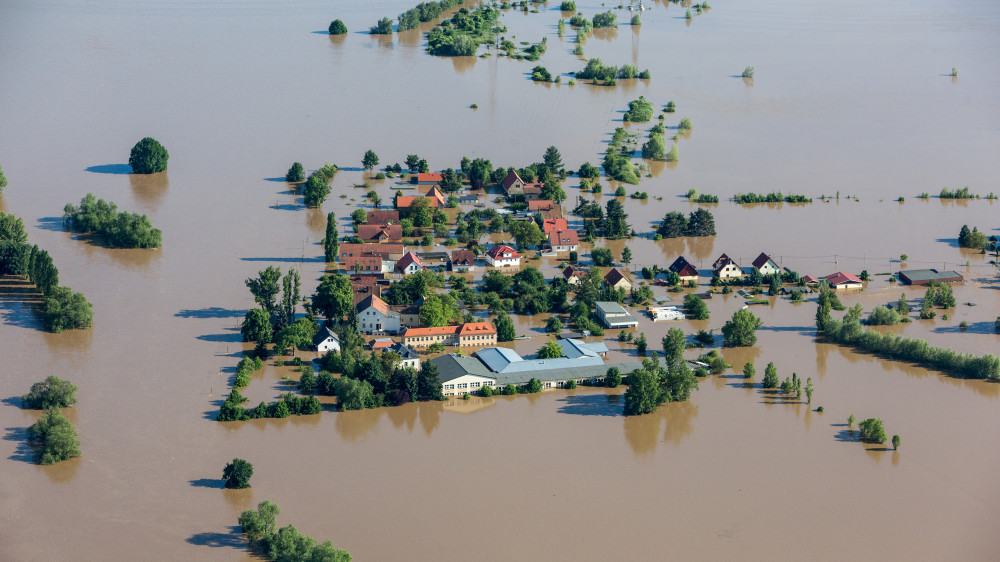
The data is clear and alarming. In 2021 alone, German insurers paid out record sums for natural disaster damage, and current trends suggest another severe year is on the horizon. Climate change is increasing the frequency and intensity of extreme weather events, meaning areas once considered "low risk" are now vulnerable. While discussions about a mandatory natural hazard insurance scheme continue, for now, it remains the responsibility of the insurance distribution channel to ensure homeowners and renters are adequately protected.
This is where your role as an advisor becomes critical. Adding flood insurance or earthquake coverage as an endorsement to a standard policy is a proactive step in comprehensive risk management. But to get client buy-in, you need to move the conversation from abstract risk to tangible, local reality.
Transforming Objections with Data: The GDV Natural Hazard Check
The GDV's online tool is designed specifically to address the two most common client objections head-on:
- Objection: "It's too expensive."
Tool Response: By demonstrating the specific, high financial risk for their exact address, the tool reframes the premium from a "cost" to a valuable "investment" in financial security. It shows the potential loss magnitude, making a modest premium seem reasonable. - Objection: "That doesn't happen here."
Tool Response: This is the tool's primary strength. It uses the client's postal code to generate a localized risk assessment, visually and statistically proving that natural hazards are a genuine local threat, not just a problem "elsewhere."
What the Tool Shows Your Clients
By simply entering a postal code, the Natural Hazard Check provides a clear, visual risk assessment that you can review with your client. It typically displays:
- Localized Risk Zoning: A map showing the specific flood hazard zone (e.g., high-risk vs. low-risk area) for the property's location.
- Historical Event Data: Information on past natural hazard events in that municipality or region.
- Risk Level Classification: A straightforward classification (e.g., low, medium, high) for different perils like heavy rain, flooding, and earthquake.
- Potential Damage Scenarios: Concrete examples of what different types of events could cost, making the risk financially tangible.
"We show the financial impact of severe weather concretely at people's place of residence," said Oliver Hauner, Head of Property Insurance at the GDV. This localized, evidence-based approach is far more persuasive than generic warnings.
How Insurance Agents Can Leverage the Tool
Integrating this tool into your sales and advisory process is straightforward and highly effective:
| Use Case | How to Implement | Benefit for the Agent |
|---|---|---|
| In-Person or Virtual Meetings | Pull up the tool during your consultation. Enter the client's postal code together and walk them through the results in real-time. | Builds trust through transparency. Transforms you from a salesperson into a knowledgeable risk advisor. Makes the need for coverage self-evident. |
| On Your Website | Agents can embed the tool directly into their own website via an iframe after contacting the GDV. This requires a simple coordination with the association. | Generates leads and educates potential clients before they even contact you. Positions your agency as a tech-savvy, expert resource on natural hazard protection. |
| Proactive Client Communication | Use the tool to generate reports for your entire book of business. Proactively reach out to clients in higher-risk zones to review their coverage. | Demonstrates exceptional service, increases policy retention, and uncovers cross-selling opportunities. Helps manage E&O (Errors & Omissions) risk by ensuring adequate advice. |
Connecting to the US Insurance Context
For our US-based readers and agents, the concept is directly analogous to tools used for flood insurance through the National Flood Insurance Program (NFIP). Just as agents use FEMA's Flood Maps to determine mandatory purchase requirements and risk zones, the GDV's tool provides a similar, standardized risk assessment for the German market. The core principle is identical: using authoritative, third-party data to objectively assess risk and guide appropriate coverage recommendations is a best practice in professional insurance advising worldwide.
Conclusion: Empowering Your Advisory Role with Data
In an era of increasing climate-related risks, offering natural hazard insurance is a non-negotiable part of your duty of care. The GDV's Natural Hazard Check tool empowers you to fulfill this duty more effectively. It replaces subjective debate with objective data, turning client objections into opportunities for education and protection.
By integrating this tool into your workflow, you not only increase your sales of valuable add-on coverages but, more importantly, you ensure your clients' largest asset—their home—is protected against some of the most devastating and increasingly common financial threats they face. That's the hallmark of a true insurance professional and trusted advisor.
The insurance industry continues to grapple with challenges in claims management, including backlogs, rising claim frequencies, a shortage of skilled professionals, and heightened customer expectations. Leveraging digital tools like the Natural Hazard Check not only improves sales efficiency but also contributes to better risk selection and client education, ultimately leading to a more sustainable book of business.