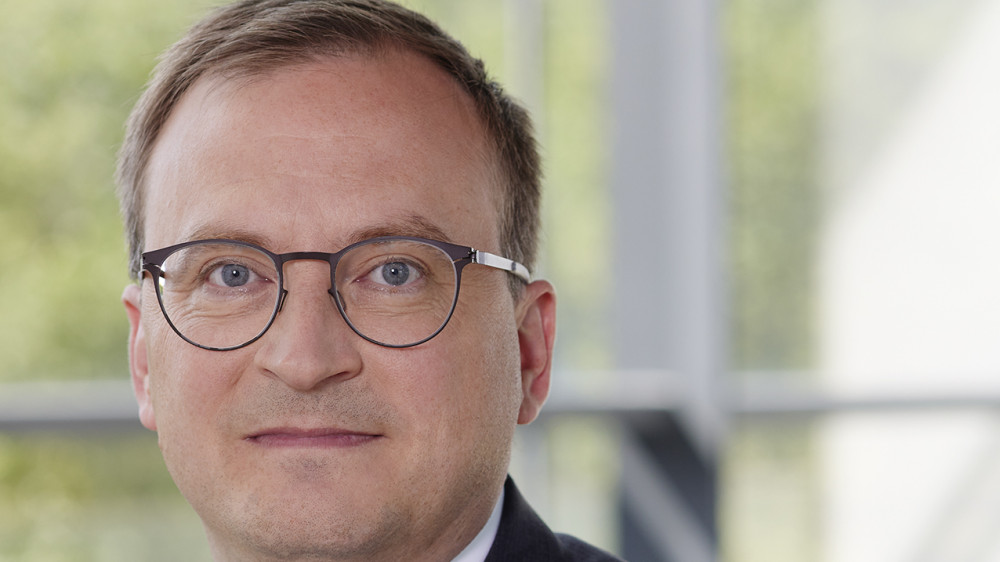
ERGO Life Insurance Announces CEO Transition: Oliver Horn to Succeed Michael Fauser in 2026
In a significant leadership move within the German insurance sector, ERGO Group, a major player in European insurance, has announced a CEO change at its core life insurance subsidiary. Oliver Horn is set to become the new Chairman of the Board of Management (Vorstandsvorsitzender) at ERGO Vorsorge Lebensversicherung AG on January 1, 2026. He will succeed Michael Fauser, who will depart the company at the end of 2025 after nearly a decade at the helm. This transition underscores the strategic importance of the life insurance and private pension (Altersvorsorge) business for one of Germany's leading insurers.
Steering Through Transformation: The Legacy of Outgoing CEO Michael Fauser
Michael Fauser took leadership of ERGO's life insurance arm in 2016, a period marked by significant industry challenges, including prolonged low-interest rates and evolving regulatory demands. His tenure was defined by guiding the insurer through a comprehensive phase of strategic realignment and digital transformation. According to company sources, his departure is amicable. In an internal communication, Oliver Wilmes, CEO of ERGO Deutschland, explicitly thanked Fauser for his long-standing service and highlighted his merits in stabilizing and advancing the company's life insurance operations.
Fauser's leadership helped navigate the complexities of the German Lebensversicherung market, which, much like the competitive landscape for term life insurance and annuities in the United States, requires balancing customer-centric products with financial robustness and technological modernization.
The New Leadership: Oliver Horn's Profile and Strategic Vision
ERGO has opted for an internal succession, promoting Oliver Horn, a 47-year-old actuary (Versicherungsmathematiker) with deep roots in the company and the industry. Horn joined the ERGO Group in 2017 and is currently a member of the Board of Management at ERGO Vorsorge Leben, where he oversees Actuarial Functions, Information Technology (IT), and Broker Sales (Maklervertrieb). His prior experience includes various leadership roles at Stuttgarter Lebensversicherung AG and companies within the Continentale group.
This appointment signals a focus on continuity, technical expertise, and digital advancement. Horn's combined background in insurance mathematics and IT strategy is particularly relevant as insurers globally invest heavily in insurtech, data analytics, and customer experience platforms. His promotion reflects a trend where deep technical knowledge is crucial for leading complex financial service providers.
In his expanded role, Horn will not only lead ERGO Vorsorge Leben but will also join the Board of Management of ERGO Deutschland AG, ensuring tighter integration of life insurance strategy within the broader German operations of the Munich Re subsidiary.
Context: The Evolving German Life Insurance Landscape
This leadership change occurs within a dynamic market. German life insurers (Lebensversicherer) are key providers of long-term savings and pension products, a segment that faces constant pressure from low yields, changing demographics, and competition from other asset classes. For context, while Germany has a strong tradition of private life insurance and statutory pension systems, the US market features its own mix of private life insurance carriers, 401(k) plans, and Individual Retirement Accounts (IRAs). The strategic challenges of product innovation, cost management, and meeting customer expectations for digital services are universal.
ERGO's move to appoint a leader with a strong operational and digital background can be seen as a proactive step to address these challenges head-on, aiming to secure its position in the future of retirement planning and financial protection.
Key Takeaway: The planned succession at ERGO Vorsorge Leben from Michael Fauser to Oliver Horn represents a strategic handover aimed at maintaining stability while accelerating the company's digital and operational evolution. For policyholders and industry observers, it highlights the critical role of experienced, technically adept leadership in navigating the future of the life insurance industry.