Conquer Cravings: How to Beat the 'Binge Formula' and Prevent Weight Gain
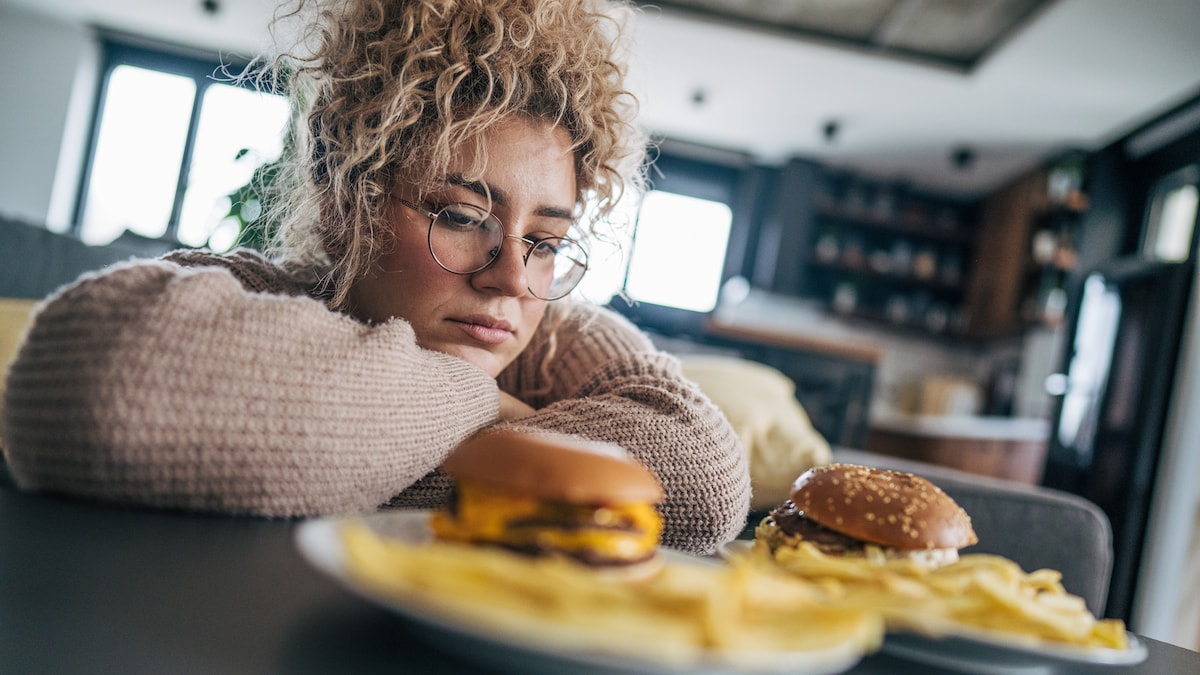
Have you ever felt your brain switch to autopilot, with an intense, almost uncontrollable urge to eat—specifically sweets like chocolate or fatty snacks like chips? You're not weak-willed; you're encountering what experts call the "binge formula." This powerful trigger is a combination of roughly 50% (sweet) carbohydrates and 35% fat, a mix our brains are evolutionarily wired to crave from infancy, thanks to its similarity to nutrient-dense breast milk. While this once aided survival, in our modern environment of abundant processed foods, it leads to overeating, weight gain, and a loss of dietary control. Managing these cravings is a crucial aspect of maintaining a healthy weight, which is a cornerstone of preventive health and can positively impact long-term wellness, a goal supported by comprehensive health insurance plans that incentivize healthy living to reduce the risk of obesity-related conditions like type 2 diabetes and heart disease.
Dr. Matthias Riedl, a renowned nutrition expert and internist, explains that this formula hijacks the brain's mesolimbic reward system, sending strong signals that intensify the desire for more, while simultaneously blunting feelings of fullness. It's a biological trap, but one you can escape with the right knowledge and tools. Taking charge of your eating habits is a proactive step in managing your health, much like choosing a private medical insurance plan that offers nutritional counseling or wellness programs.
What Triggers the 'Binge Formula' Cravings?
Cravings are rarely just about willpower. They result from a complex interplay of physiological and psychological factors. Dr. Riedl highlights the key triggers:
| Trigger Category | Common Examples |
|---|---|
| Physiological & Hormonal | Low blood sugar, sleep deprivation, hormonal changes (menopause, pregnancy), dehydration, certain medications (antidepressants, cortisone). |
| Nutritional & Dietary | Irregular meals, nutrient deficiencies (magnesium, zinc, iron), high intake of processed carbs, insulin resistance. |
| Psychological & Emotional | Chronic stress, anxiety, boredom, loneliness, using food for comfort. |
| Environmental | Constant exposure to food cues (advertising, buffets), having tempting snacks readily available at home. |
Recent research adds a fascinating layer: specialized cells in the gut, not just taste buds, precisely detect fat and sugar. They send direct signals to the brain's reward center via two separate pathways, creating a powerful "double hit" that can override good intentions.
Dr. Riedl's Expert Strategies to Block Cravings
When a craving strikes, you need effective, immediate countermeasures. Here are Dr. Riedl's top evidence-based "blitz helpers":
- Apple Cider Vinegar Trick: Mix 2 tablespoons of organic apple cider vinegar in a glass of warm water. This can help curb appetite and help regulate blood sugar.
- Protein Power: Opt for a high-protein snack like 2-3 tablespoons of Skyr (Icelandic yogurt) or Greek yogurt. Cravings can sometimes signal unmet protein needs. Adding a scoop of protein powder can enhance this effect.
- Leverage Coffee: The bitter compounds and caffeine in coffee can increase the production of cortisol, dopamine, and norepinephrine—brain chemicals that have the power to suppress hunger signals.
- Pistachio Pre-Meal: Eat exactly 15 pistachios before a meal. Their healthy fat and protein profile promotes satiety, and the act of shelling them slows down eating.
- The Full Anti-Craving Protocol: For intense attacks, follow this sequence: First, take two bitter drops (from a pharmacy) on the tongue. If that doesn't work, slowly chew one carrot, making sure to chew each bite 32 times. As a third step, snack on a small handful of almonds.
Long-Term Prevention: Breaking the Cycle
Stopping cravings isn't just about emergency fixes; it's about changing the conditions that cause them.
- Prioritize Regular Meals: Eat balanced meals at consistent times to stabilize blood sugar and prevent drastic dips that trigger hunger.
- Focus on Whole Foods: Build your diet around vegetables, lean proteins, healthy fats, and complex carbohydrates to ensure nutrient sufficiency and steady energy.
- Manage Stress and Sleep: Chronic stress and sleep deprivation disrupt hunger hormones like ghrelin and leptin. Prioritizing 7-9 hours of sleep and stress-reduction techniques (meditation, walking) is crucial.
- Stay Hydrated: Thirst is often mistaken for hunger. Drink water consistently throughout the day.
- Mind Your Environment: Don't keep ultra-processed binge-formula foods (chips, cookies) readily accessible at home. Out of sight, out of mind.
Why Beating Cravings Matters for Your Health and Insurance
Uncontrolled cravings are a primary driver of weight gain and obesity, which are major risk factors for chronic diseases such as type 2 diabetes, heart disease, and certain cancers. Successfully managing cravings is a powerful form of preventive healthcare. It can lead to sustainable weight management, improved metabolic health, and a reduced risk of developing costly chronic conditions. Many health insurance plans, including some private medical insurance and Medicare Advantage plans, now offer benefits for weight management programs, nutritionist consultations, and wellness coaching because insurers recognize that investing in prevention leads to better health outcomes and lower long-term costs. If you struggle with persistent cravings and weight management, consider speaking with your doctor or a registered dietitian. They can provide personalized guidance and help you explore resources that may be covered by your health insurance, turning the battle against the binge formula into a supported journey toward lasting health.