Eat Your Way Younger: Expert Tips on Anti-Aging Nutrition and Telomere Health
Want to age well and stay healthy for as long as possible? You're not alone. While genetics play a role, cutting-edge science reveals that your diet is a powerful lever you can pull to influence how your body and mind age. Medical journalist Andreas Jopp, author of "ON/OFF Gesundheit", emphasizes this point: "Most people aren't aware of how crucial nutrition is for the body's repair mechanisms." The consensus among experts is clear: with the right foods, you can effectively "eat yourself younger." But how does this work on a cellular level?
The Cellular Clock: Understanding Telomeres
To grasp how we age, you must look inside your cells. At the ends of your chromosomes—the structures that hold your DNA—are protective caps called telomeres. Think of them like the plastic tips on shoelaces that prevent fraying. "Telomeres protect the genetic software of your cells," explains Jopp.
Here's the catch: each time a cell divides, its telomeres get slightly shorter. As we age, chromosomes become less stable, increasing the risk of errors during cell replication. This process impairs the function of cells everywhere—from your skin to your gut—and hampers the body's ability to regenerate.
Professor Kristina Norman, Deputy Director of the Clinic for Geriatrics and Ageing Medicine at Charité Berlin, confirms telomeres' role in aging but notes they are just one piece of a complex puzzle. "There are seven recognized mechanisms of aging, including DNA damage and stem cell exhaustion," she says. Aging is highly individual, influenced by a unique mix of genetics, lifestyle, and psychological factors.
The Anti-Aging Diet: Foods to Embrace and Avoid
While telomeres aren't the sole factor, evidence suggests diet can influence their health. The goal is to reduce factors that accelerate telomere shortening, primarily oxidative stress and inflammation.
| Foods to Limit (Aging Accelerators) | Why They're Harmful |
|---|---|
| Sugar & Highly Processed Foods | Their metabolism generates free radicals. These molecules can damage DNA and stimulate chronic inflammation, both of which harm telomeres. |
| Processed Meats & Trans Fats | Promote systemic inflammation and oxidative stress. |
| Foods to Embrace (Youth-Promoting) | How They Help |
|---|---|
| Colorful Fruits & Vegetables (Berries, leafy greens) | Packed with antioxidants (e.g., vitamin C, polyphenols) that neutralize free radicals. |
| Legumes, Nuts & Seeds | Provide fiber, healthy fats, and minerals that support cellular health and reduce inflammation. |
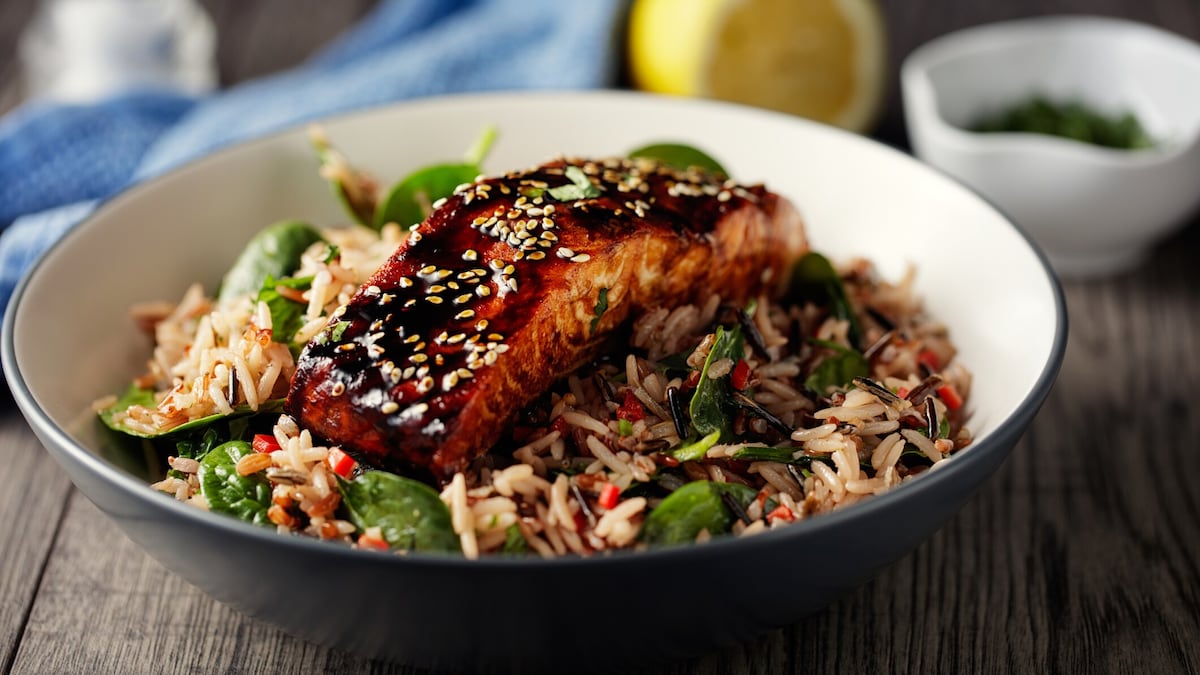
| Fatty Fish (Salmon, mackerel) | Rich in omega-3 fatty acids, potent anti-inflammatory agents. |
| Green Tea & Coffee (in moderation) | Contain high levels of protective antioxidants. |
The Gold Standard: The Mediterranean Diet
Both experts point to the Mediterranean diet as the archetype of an anti-aging eating pattern. "This doesn't mean the 'mogelpackung' (fake version) of pizza and tiramisu," clarifies Jopp. "It's a diet rich in vegetables, fruits, legumes, with modest amounts of fish or meat, and healthy fats like olive oil." Professor Norman agrees, stating the positive impact of this diet on aging processes is "well-evidenced." While large-scale studies directly linking specific foods to telomere lengthening are still needed, the overall benefits for cellular and systemic health are undeniable.
Beyond the Plate: The Holistic Approach to Aging Well
Nutrition is a critical pillar, but it's not the only one. A holistic lifestyle is essential for healthy aging. Both experts stress the importance of:
- Regular Physical Activity: Exercise reduces inflammation and oxidative stress.
- Stress Management: Chronic stress can accelerate cellular aging.
- Moderate Alcohol Consumption: Excessive intake promotes inflammation.
- Adequate Sleep: Crucial for cellular repair and regeneration.
"A plant-based diet with little meat and fish, sufficient exercise, and minimal alcohol—that's what I can recommend to everyone," summarizes Professor Norman. "All of this together helps you stay as healthy as possible in old age. And that's ultimately what we all wish for." By combining a nutrient-dense, anti-inflammatory diet with a balanced lifestyle, you empower your body's natural defenses, supporting not just a longer life, but a healthier, more vibrant one.