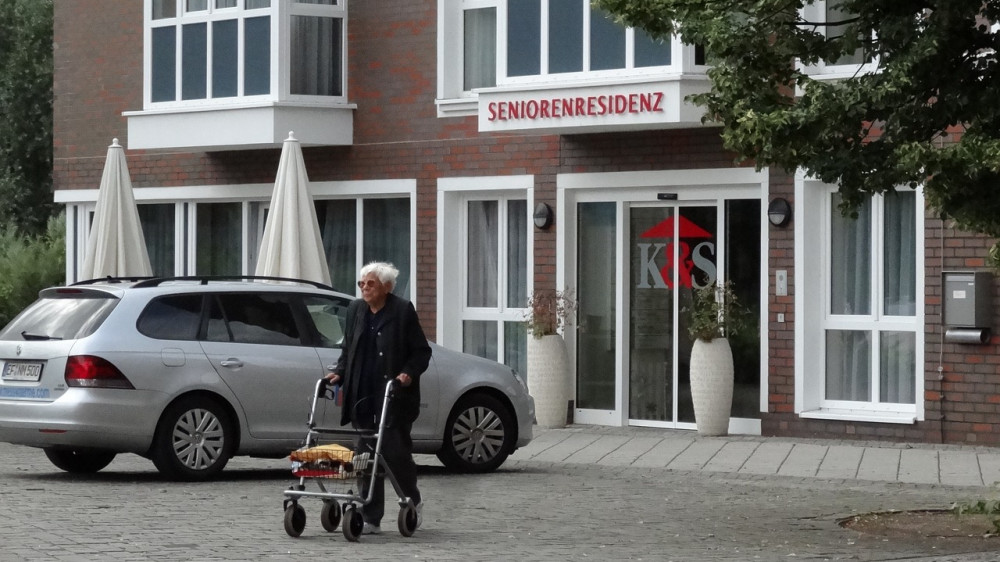
The Silent Epidemic: Understanding Germany's Surge to 5 Million People Needing Long-Term Care
Imagine a nation where nearly 5 million people rely on daily assistance for basic needs. This is not a future scenario; it's Germany's present reality. According to the Federal Statistical Office (Destatis), by the end of 2021, 4.96 million people were officially recognized as in need of care under the Social Code (SGB XI). This marks a staggering 20% increase from just two years prior in 2019. Behind these numbers lies a profound shift with major implications for families, public finances, and your own future security. For readers in the United States, this trend parallels the escalating demand for long-term care services as the Baby Boomer generation ages, straining both family resources and public programs like Medicaid.
Decoding the Surge: Why Are Care Needs Exploding?
The dramatic rise is attributed to two primary, interconnected drivers:
- Legal Reforms (The 2017 Care Concept Reform): This pivotal change expanded the legal definition of "care dependency" to include individuals with mental and cognitive impairments, such as dementia. Previously, many of these individuals fell through the cracks of the system. This policy shift rightfully brought them into the fold of entitled beneficiaries, accounting for a significant portion of the statistical increase.
- Demographic Aging (The Inexorable Trend): Beyond legal changes, the raw force of an aging population is the fundamental engine. As life expectancy increases, so does the likelihood of developing chronic conditions and needing assistance with daily activities. Over the past decade, the number of care-dependent individuals has nearly doubled.
Where Care Happens: The Overwhelming Dominance of Home Care
The statistics reveal a crucial, often overlooked truth about the care landscape:
- 84% of care (4.17 million people) is provided at home.
- Of these, 2.55 million receive care allowances and are cared for predominantly by family members (spouses, children).
- Only 16% (790,000) live in full-time residential care facilities (Pflegeheime).
This data underscores that the long-term care system is, in fact, built on the unpaid, physically and emotionally demanding labor of millions of family caregivers. While the number of people in care homes slightly decreased, home-based care saw a 25% increase.
The Reality of Home Care: Financial and Personal Implications
Choosing or defaulting to home care has profound consequences that every family should anticipate:
| Aspect | Reality for Family Caregivers | Financial & Planning Consideration |
|---|---|---|
| Time Commitment | Often a full-time or near-full-time responsibility, leading to career interruptions or early retirement. | Loss of income, reduced pension contributions, and long-term earning potential damage. |
| Physical & Emotional Strain | High risk of burnout, stress, and health issues for the caregiver. | Potential future healthcare costs for the caregiver themselves. |
| Out-of-Pocket Costs | Home modifications (ramps, bathroom grips), medical supplies, transportation, and potentially part-time professional help. | Costs that quickly exceed the modest care allowance (Pflegegeld) from public insurance. |
| Quality of Care | Dependent on family skill and stamina; may lack professional expertise for complex conditions like dementia. | Risk of inadequate care leading to complications, hospitalizations, and higher overall costs later. |
Your Proactive Planning Checklist: Beyond the Statistics
The trend is clear: the likelihood of needing or providing care is rising. Waiting for a crisis is not a strategy. Here is your actionable plan:
- Initiate the Family Conversation Now: Discuss care preferences with parents, partners, and adult children. Who would provide care? Where would it happen? What financial resources exist?
- Audit Your Existing Coverage: Critically review the benefits from statutory long-term care insurance (Pflegeversicherung). Understand the cash benefits (Pflegegeld) and in-kind benefits (Pflegesachleistungen) for each care grade. You will quickly identify the massive coverage gap.
- Explore Private Supplemental Care Insurance (Pflegezusatzversicherung):
- Why: To bridge the gap between public benefits and the real cost of quality care, whether at home or in a facility.
- When: The best time to buy is in your 40s or 50s, when premiums are lower and health conditions are less likely to preclude coverage.
- What Type: Consider a care cost reimbursement policy (Pflegekostenversicherung) for the most comprehensive coverage or a care daily allowance (Pflegetagegeld) for flexible cash support.
- Integrate Care into Retirement Planning: Factor potential long-term care costs into your retirement savings goal. Financial advisors often suggest earmarking a specific portion of your portfolio for this risk.
- Investigate Support Services: Research local respite care options, caregiver support groups, and professional care management services. Knowing these resources exist can relieve future pressure.
The figure of 5 million people in need of care is more than a statistic; it's a mirror reflecting our collective future. By acknowledging the limitations of public systems and the immense burden on families, you can take empowered steps today. Securing private supplemental care insurance and having open family dialogues are not acts of fear but of profound responsibility—ensuring dignity, choice, and financial stability for yourself and those you love when care becomes necessary.
Insurers and brokers struggle in claims management with high backlogs, increasing claim frequencies, skilled labor shortages, and growing customer expectations. Manual processes are expensive and slow.