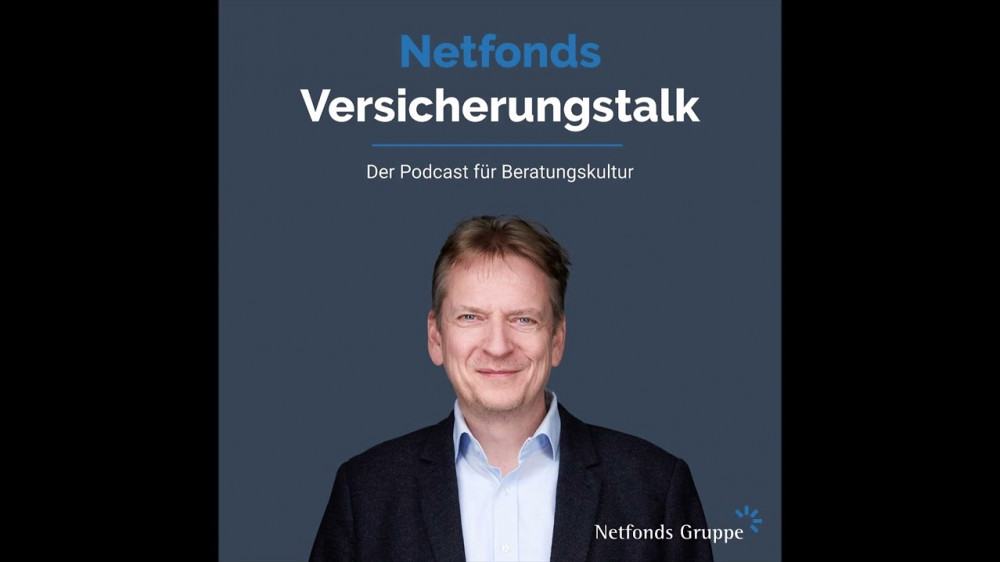
The Commission Debate: FDP Rejects Ban, Defends Advisor Compensation Model
Are you concerned about how your financial advisor or insurance broker is compensated? The debate over commission-based advice is heating up in Germany, with significant implications for how consumers access retirement planning and insurance products. In a recent Netfonds podcast, Anja Schulz, a Member of the German Parliament (Bundestag) for the Free Democratic Party (FDP), delivered a clear political stance: "With us, there will be no commission ban." This statement directly counters concerns that the Federal Financial Supervisory Authority (BaFin) might be working towards a de facto prohibition "through the back door" by introducing restrictive commission guidelines.
Understanding the Commission Debate
At its core, this debate revolves around how financial intermediaries—such as insurance brokers, independent financial advisors (IFAs), and bank advisors—are paid for their services. The traditional model in Germany involves advisors receiving a commission from the product provider (e.g., an insurance company) when a client purchases a policy or investment. Critics argue this creates a potential conflict of interest, where an advisor might recommend a product with a higher commission rather than the one best suited for the client.
Proponents, including Schulz and industry associations, argue that the commission model makes professional advice accessible to a broader population. They contend that switching to a purely fee-based model (where the client pays directly for time) could price out middle-income consumers, leaving them without guidance on complex topics like private pensions, German Riester plans, or health insurance (PKV/GKV) comparisons.
The BaFin 'Guideline Values' Controversy
The immediate flashpoint is BaFin's exploration of introducing "provision guideline values" (Provisionsrichtwerte). Major industry associations like the Bundesverband Deutscher Versicherungskaufleute (BVK) and the Votum-Verband have vehemently opposed this move, warning it would amount to a commission ban in disguise by making certain products economically unviable to advise on. Schulz's statement aligns with this industry position, signaling the FDP's political resistance to such regulatory steps.
Broader Context: Retirement Planning and the Role of Advisors
The commission debate is not happening in a vacuum. It's intertwined with Germany's urgent need to reform its pension system and combat old-age poverty. In the podcast, Schulz, who serves on the key parliamentary committees for Labor & Social Affairs and Finance, emphasized strengthening occupational pensions (betriebliche Altersvorsorge, bAV) as a primary tool. Her background as a former financial advisor specializing in private and corporate pensions informs this focus.
She also discussed the planned reintroduction of the basic pension (Grundrente) and the proposed generational capital (Generationenkapital). Implementing these complex reforms effectively will require a robust network of knowledgeable advisors to help individuals and businesses navigate their options—a network that many argue would be severely weakened by a commission ban.
A Comparative View: Fee vs. Commission Models
This debate echoes discussions in other financial markets. In the United States, for example, advisors operate under both fee-based and commission-based models, with ongoing regulatory scrutiny from bodies like the SEC. The key for consumers everywhere is transparency. Whether an advisor is paid via commission (like many Medicare Advantage or final expense life insurance agents in the US) or a fee, the client must understand the compensation structure and how it might influence recommendations.
What This Means for You as a Consumer or Advisor
For Consumers: The political stance suggests the current commission-based advice model will likely remain an option in Germany for the foreseeable future. This means you can continue to access advice without upfront fees. However, it remains crucial to ask your advisor about their compensation, any potential conflicts of interest, and to ensure they are acting as a fiduciary in your best interest. Always seek advisors who provide clear, rational explanations for their product recommendations.
For Insurance Brokers and Financial Advisors: Schulz's comments provide temporary political reassurance against an outright ban. However, the regulatory pressure for transparency and client-centricity is not going away. The future lies in demonstrating undeniable value, maintaining high ethical standards, and clearly communicating how you are compensated. Building a practice based on trust and long-term client relationships is the best defense against any regulatory changes.
The FDP's position, as voiced by Anja Schulz, draws a clear line in the sand. It champions the existing advisor ecosystem as vital for implementing national retirement policy and serving consumers. While the debate over the optimal compensation model will continue, for now, the commission-based system has a powerful political defender.
Listen to the Full Discussion:
For more insights into pension reform and the detailed political perspective, listen to the complete Netfonds podcast episode with Anja Schulz.
Apple:
YouTube:
Spotify:
Google Podcast:
While the industry addresses operational challenges, the political debate on advisor compensation underscores a fundamental question: how to ensure broad, affordable access to quality financial and insurance advice—a service critical for long-term economic security—while maintaining the highest standards of client protection.