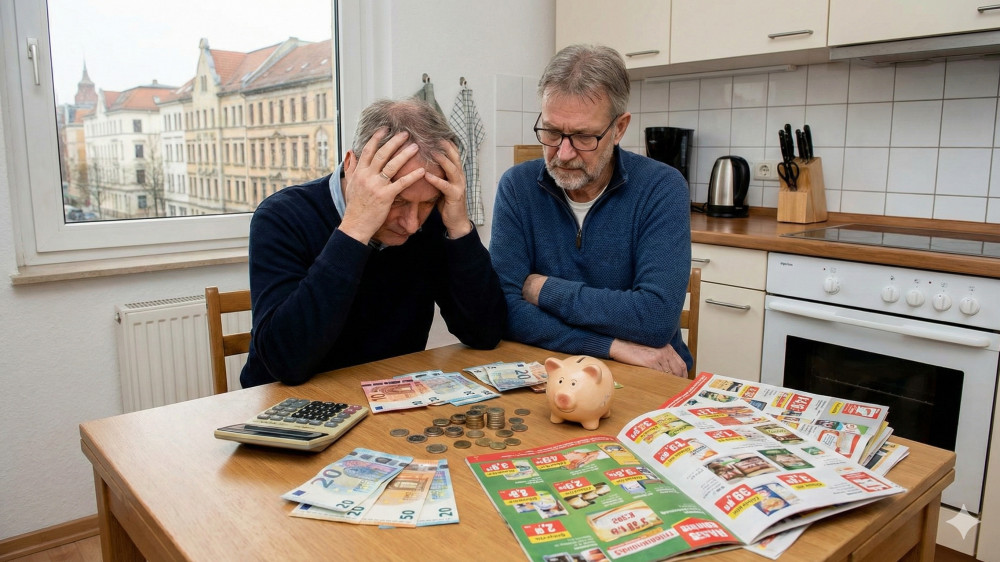
Financial Concerns in Germany: Rising Costs, Retirement Savings, and a Generational Divide
After two years of growing financial confidence, Germany is experiencing a mood dampener in 2025. Public optimism has stagnated, with 47% expecting an improvement in their finances—virtually unchanged from the previous year. Simultaneously, worries about rising expenses are growing, hitting low-income households hardest. This environment creates critical challenges and opportunities for financial advisors and insurance brokers to provide essential guidance.
The Inflation Squeeze: A Persistent Burden on Daily Life
Despite positive signals from real wages and the job market, high living costs dominate everyday reality for many Germans. Inflation, though moderated from its peak, persists at around 2.4%, driven by rising service prices and net cold rents.
"After months of easing, prices are rising again... The high cost of living determines everyday life for many people—and it weighs on the mood," explains Dr. Ulrich Stephan, Chief Investment Strategist for Private and Corporate Clients at Postbank.
The data is stark: 61% of respondents say rising prices are a major concern. For households with a net income under €2,500, this figure jumps to nearly 70%. This financial pressure directly impacts behavior, including holiday spending.
Beyond Daily Costs: Growing Anxiety Over Savings and Retirement
While inflation is the immediate pain point, deeper financial insecurities are coming into sharp focus. A significant 35% of Germans now cite building savings (Rücklagenbildung) and retirement planning (Altersvorsorge) as primary worries. An additional 21% are concerned about ongoing costs for rent or loans.
The consequence? Only 16% of Germans currently describe themselves as free from financial worries. This widespread anxiety underscores a massive need for professional advice on long-term financial planning and risk protection.
Holiday Spending Reflects Financial Caution
This caution is evident in consumer behavior. While 81% still plan to buy Christmas gifts, budgets are shrinking. One-third intend to spend less than last year, with a notable shift towards budgets under €100. Most are financing gifts from savings (32%) or special payments like Christmas bonuses (15%), indicating a reluctance to take on new debt.
The Optimism of Youth: A Surprising Counter-Trend
Amidst this general caution, the younger generation presents a striking contrast. A remarkable 67% of 18-24 year-olds and 64% of 25-34 year-olds are optimistic about their financial future—significantly above the national average. One in three young adults under 25 even sees their situation as improved.
This optimism translates into spending: while the broader population tightens belts, one in five young people plans higher holiday gift expenses. This generational divide highlights a crucial segment for financial services: young adults who are engaged with their finances but may lack long-term planning.
| Financial Concern | Overall Population | Households < €2,500 Net Income | Young Adults (18-34) |
|---|---|---|---|
| Rising Prices / Inflation | 61% | ~70% | High concern, but offset by optimism |
| Building Savings & Retirement Planning | 35% | High concern | Growing awareness, key advisory entry point |
| Ongoing Housing/Loan Costs | 21% | Very High concern | Significant concern, especially for renters |
| General Financial Optimism | 47% expect improvement | Lower | ~65% are optimistic |
Implications for Financial Advisors and Insurance Professionals
This landscape presents clear calls to action for the advisory community:
- Address the Immediate Squeeze: For strained households, advice on budgeting, optimizing recurring expenses, and reviewing essential insurance coverage (like liability and household contents) is crucial.
- Bridge the Savings Gap: The high concern over savings and retirement is a direct invitation for advisors to offer solutions, from automated savings plans to structured pension products (e.g., Riester-Rente, Rürup).
- Engage the Optimistic Youth: Young adults represent a prime demographic for building lifelong client relationships. Focus on foundational financial education, early retirement savings strategies, and appropriate income protection (e.g., Berufsunfähigkeitsversicherung - disability insurance).
Conclusion: A Market Defined by Need and Opportunity
The German financial mood may have stalled, but the underlying needs have not. Persistent inflation, anxiety over long-term security, and a generational shift in attitudes create a complex but opportunity-rich environment. For skilled financial advisors and insurance brokers, the mandate is clear: provide empathetic, practical guidance that addresses both today's cost pressures and tomorrow's security, building trust that transcends economic cycles.