5 'Healthy' Foods That Are Secretly High in Calories: Smart Swaps for Weight Loss
You're committed to eating healthy, swapping out chips and cookies for what you believe are better choices. But what if some of those "healthy" staples are secretly sabotaging your weight loss goals? Just as you'd scrutinize the fine print of a health insurance plan to understand coverage limits and out-of-pocket costs, it's crucial to look beyond the health halo of certain foods. Many popular diet foods pack a surprising amount of calories, sugar, and fat, turning them into hidden calorie traps. This guide exposes five common culprits and provides smarter, truly nutritious alternatives to keep your healthy eating plan on track.
1. Dried Fruit: Nature's Candy, Concentrated Sugar
The Trap: Dried fruits like dates, raisins, and apricots are ubiquitous in protein bars, trail mixes, and yogurts. While they offer vitamins and fiber, the dehydration process removes water, concentrating the natural sugars and calories into a much smaller, easy-to-overeat package. A mere 30 grams (3-4 dates) can contain the same sugar as a whole fresh apple, but you're likely to eat several servings in one sitting.
The Smart Swap: Opt for fresh fruit with high water content. Choices like watermelon, grapefruit, oranges, peaches, and berries provide volume, hydration, and fiber for fewer calories, helping you feel full longer. Reserve dried fruit as a measured condiment (a tablespoon in oatmeal) rather than a standalone snack.
2. Nuts and Nut Butters: Healthy Fats, High Density
The Trap: Nuts (walnuts, almonds, cashews) are nutritional powerhouses, rich in healthy fats, protein, and magnesium. However, they are also extremely calorie-dense. It's incredibly easy to mindlessly eat several hundred calories worth straight from the bag. While beneficial for heart health, uncontrolled portions can stall weight management efforts.
The Smart Swap: Practice strict portion control. The recommended serving is one small handful (about 1 oz or 28 grams). Pre-portion nuts into small containers or choose nuts in the shell, which slows consumption. For nut butters, measure a single tablespoon instead of eating from the jar.
3. Smoothies and Acai Bowls: The Sugar Bomb in Disguise
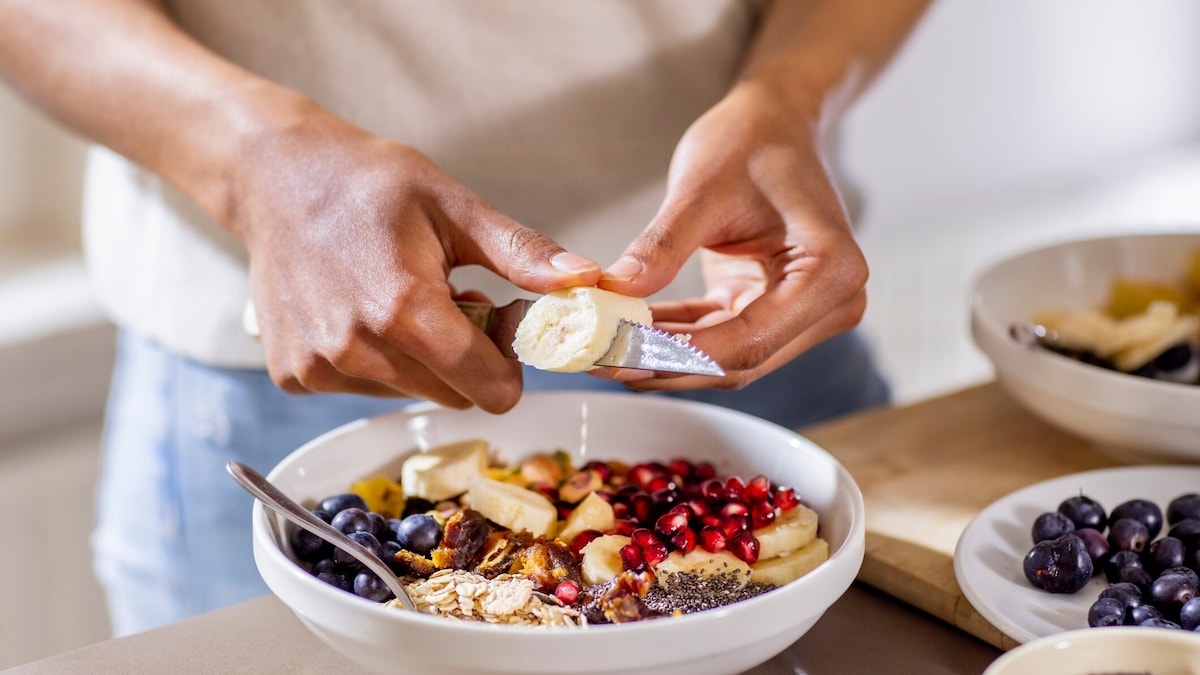
The Trap: Store-bought or café-style smoothies and bowls are often the biggest offenders. Loaded with fruit juices, sweetened yogurts, multiple fruits, honey, granola, and nut butters, a single large serving can easily exceed 800 calories and 60+ grams of sugar—rivaling a milkshake. They lack the satiating fiber of whole fruits and vegetables.
The Smart Swap: Make your own green smoothies at home. Use a base of water, unsweetened almond milk, or plain kefir. Focus on leafy greens (spinach, kale), add one portion of fruit for sweetness, and include a protein source like plain protein powder or Greek yogurt. This gives you control over ingredients and calories.
4. Brown Rice & "Healthy" Grains: Portion Distortion
The Trap: While brown rice, quinoa, and farro are superior to refined white grains due to their fiber and nutrient content, they are still primarily sources of carbohydrates and calories. It's easy to over-serve these as side dishes, filling half your plate and unintentionally consuming 400-500 calories from grains alone.
The Smart Swap: Rethink your plate geometry. Use the "plate method": fill half your plate with non-starchy vegetables, one-quarter with lean protein, and only one-quarter with whole grains. A proper serving of cooked grains is about 1/2 cup (the size of a computer mouse). Bulk up meals with extra vegetables instead of extra rice.
5. Hummus and Veggie Dips: The Sneaky Fat Carrier
The Trap: Hummus, guacamole, and other vegetable-based dips seem like perfect healthy snacks. However, their main ingredients—chickpeas, avocado, oils, and tahini—are calorie-dense. Store-bought versions often add excess oil, salt, and preservatives. Dipping with pita bread, crackers, or even veggies can lead to consuming several tablespoons (and hundreds of calories) in one sitting.
Comparison of Common "Health Food" Traps
| Food | Potential Pitfall | Calorie Range (Typical Serving) | Healthier Alternative & Tip |
|---|---|---|---|
| Dried Fruit | Concentrated sugar, easy to overeat | 90-120 cal per 30g | Fresh, high-water fruit (e.g., berries, melon). Portion control is key. |
| Mixed Nuts | Extreme calorie density | 160-200 cal per 28g (handful) | Pre-portion servings. Choose raw or dry-roasted without added oil/salt. |
| Store-Bought Smoothie | Added sugars, large portions | 300-800+ cal per bottle | Homemade green smoothie. Prioritize veggies, limit fruit to one portion, add protein. |
| Brown Rice (Cooked) | Large portion sizes | ~215 cal per cooked cup | Use the Plate Method. Serve only 1/2 cup, bulk with vegetables. |
| Store-Bought Hummus | Added oils, easy to over-dip | 70-80 cal per 2 Tbsp | Make your own or read labels. Use as a spread, not a dip. Pair with cucumber slices. |
The Smart Swap: Make your own hummus to control oil content, or carefully read labels and choose brands with simple ingredients. Use hummus as a spread on a sandwich instead of mayo, or measure out a 2-tablespoon serving with raw vegetable "scoops" like bell pepper strips, cucumber, or celery.
Conclusion: Be a Savvy Healthy Eater
The path to sustainable weight loss and health isn't about eliminating these foods entirely—it's about informed consumption. Like comparing a Medicare Part D plan's formulary to ensure your medications are covered, understanding the nutritional details of your food is essential. Pay attention to portion sizes, read labels diligently, and prioritize whole, minimally processed foods. By making these smart swaps, you can enjoy a varied, delicious, and truly healthy diet that supports your long-term wellness goals without the hidden calorie traps.