Unit-Linked Insurance with a Disbursement Phase: How Zurich Aims to Offer Flexibility in Retirement Planning
When planning for retirement, flexibility is not just a luxury—it's a necessity. Your financial needs can change unexpectedly due to market volatility, health issues, or shifts in lifestyle. A rigid retirement plan can force you into unfavorable decisions at the worst possible time. This is a core challenge that Zurich, a global insurance leader, is addressing with its unit-linked insurance policy (often called a Fondspolice or investment-linked insurance). As this product celebrates its 50th anniversary, the focus has sharpened on ensuring flexibility extends powerfully into the payout, or disbursement, phase.
The Critical Need for Flexibility Beyond Accumulation
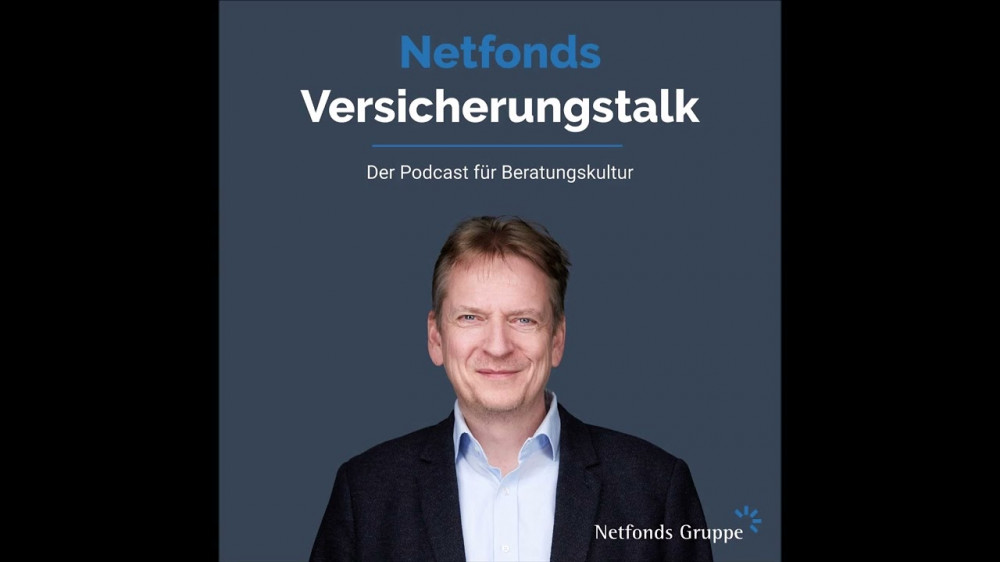
In a recent Netfonds podcast, Michael Keppner, a multiplication manager at Zurich, emphasized that the defining feature of modern financial products should be their adjustable "control screws." For unit-linked insurance, this means flexibility shouldn't end when you stop contributing. The transition from saving to spending your nest egg is a vulnerable period.
Keppner highlights a critical pitfall: What happens when a policy matures or ends? It can be financially disastrous if the product's structure forces you to withdraw your entire capital during a period of high market volatility—locking in losses and potentially derailing your retirement income strategy. This concern is universal, whether you're managing a German Fondspolice or an American 401(k) or IRA.
Zurich's Solution: A Cost-Free Disbursement Phase Until Age 85
To combat this rigidity, Zurich has built a key feature into its policy: a cost-free disbursement phase that lasts until the policyholder reaches age 85. This phase provides crucial breathing room and control after the formal savings period ends. During this time, you are not forced into a single, lump-sum withdrawal. Instead, you have the option to make partial withdrawals as needed.
This design offers several significant advantages for retirement planning:
- Market Timing Control: You can avoid selling investments during a market downturn. Instead of cashing out everything at a low point, you can withdraw smaller amounts, allowing the remainder of your portfolio to potentially recover.
- Cash Flow Management: It allows for tailored income streams. You can take out funds to cover unexpected expenses, supplement regular pension income, or fund specific goals like travel, without disrupting your entire investment strategy.
- Longevity Protection: Extending access to funds until age 85 helps address the risk of outliving your savings, a primary concern in retirement planning on both sides of the Atlantic.
Comparing to US Retirement Vehicles
For American readers, it's helpful to understand how this compares to familiar retirement accounts. A unit-linked insurance policy combines elements of investment and insurance.
| Feature | Zurich Unit-Linked Insurance (Fondspolice) | US 401(k) / Traditional IRA | Key Insight |
|---|---|---|---|
| Core Purpose | Long-term savings & investment with an insurance wrapper. | Tax-advantaged retirement savings. | Both aim for retirement wealth accumulation but with different structures. |
| Flexibility in Payouts | Cost-free disbursement phase with partial withdrawals until 85. | Required Minimum Distributions (RMDs) start at age 73 (75 for those born in 1960+). Lump-sum or scheduled withdrawals are options. | Both systems offer post-retirement access, but the rules (RMDs vs. a defined phase) differ significantly. Zurich's structure offers a long, flexible window without mandatory withdrawals initially. |
| Investment Choice | Invests in selected fund portfolios. | Invests in a menu of mutual funds, ETFs, etc. | Both offer investment choice, though within different product frameworks. |
| Insurance Component | Often includes a death benefit guarantee. | Typically no insurance component. | The Fondspolice adds a layer of protection, similar to some US variable annuities. |
Beyond Flexibility: The Rentenfaktor and Guarantees
Flexibility in withdrawals is just one piece of the puzzle. In the full podcast discussion, Keppner also delves into other vital aspects of unit-linked insurance that American advisors and savers would recognize as critical:
- The Annuitization Factor (Rentenfaktor): This determines how much lifetime income your accumulated capital can buy if you choose to convert it into an annuity. A favorable factor is crucial for securing guaranteed retirement income.
- Capital Guarantees: Many such policies offer optional guarantees on your contributed capital (often at a cost). This can provide a safety net, similar to certain riders on US variable annuities, protecting your principal from market declines.
These features highlight that a modern unit-linked policy is designed to be a versatile tool, balancing growth potential through equity funds with mechanisms for capital preservation and flexible income generation.
Conclusion: Planning for a Flexible Financial Future
Zurich's emphasis on a lengthy, cost-free disbursement phase addresses a fundamental need in retirement planning: maintaining control. Whether you are a German saver using a Fondspolice or an American utilizing a 401(k), the principles are the same. Your retirement vehicle should allow you to adapt to life's changes and market cycles without punitive constraints.
When evaluating any long-term savings or retirement product—be it a unit-linked insurance policy, an annuity, or a portfolio of ETFs—ask yourself: How flexible is it when I need to start drawing income? Does it protect me from being forced to sell at a bad time? The answers to these questions are as important as the product's growth potential during the accumulation years.
Advertisement
For a deeper dive into Zurich's approach to the annuitization factor, guarantees, and the nuances of unit-linked insurance, listen to the full Netfonds podcast episode with Michael Keppner.
Apple Podcasts: [Link]
Spotify: [Link]
Insurers and brokers continue to face challenges in claims management, including processing backlogs, increasing claim frequencies, a skilled labor shortage, and rising customer expectations. Manual processes remain costly and inefficient, driving the need for digital transformation in the industry.