Can 'Sin Taxes' Save Our Healthcare System? A Look at the Pros and Cons
Faced with rising healthcare costs, medical leaders are proposing a direct solution: make unhealthy choices more expensive. The head of Germany's National Association of Statutory Health Insurance Physicians (KBV), Dr. Andreas Gassen, has called for significant increases in taxes on tobacco and alcohol, alongside the introduction of a new sugar tax. The goal is twofold: to generate billions in dedicated revenue for the struggling public health system and to discourage consumption, thereby reducing long-term illness and medical expenses. But do these so-called "sin taxes" or "public health taxes" actually work? And who bears the greatest burden? This guide breaks down the proposal, its potential impact, and the debate surrounding it.
The Core Proposal: Three Taxes, Two Goals
Dr. Gassen's argument is straightforward. By raising taxes on products linked to chronic disease, the government can:
- Generate Significant Revenue: An extra €2 per pack of cigarettes alone could bring in approximately €7 billion annually. Combined with similar hikes on alcohol and a new sugar tax, total new revenue could exceed €10 billion per year.
- Promote Healthier Behavior: Higher prices are a proven deterrent, especially for younger people. The hope is to reduce smoking, excessive drinking, and sugar intake, leading to a healthier population and lower treatment costs for conditions like lung cancer, liver disease, diabetes, and heart disease.
This revenue would be earmarked specifically for the healthcare system, potentially easing the pressure to continually raise statutory health insurance contributions, which are already set to increase in 2026.
Current Tax Landscape: Tobacco, Alcohol, and the Missing Sugar Levy
To understand the proposed changes, let's look at the existing framework in Germany and comparable concepts in the US.
| Product | Current Tax in Germany | Analogous Concept in the United States | 2024 Revenue (GER) |
|---|---|---|---|
| Tobacco | Complex excise tax (per unit + % of price). E-cigarette liquid taxed at €0.26/mL. | Federal and state cigarette excise taxes, varying greatly by state. Some states tax e-liquid. | ~€15.6 billion |
| Alcohol | A patchwork of taxes on beer, sparkling wine, spirits, and intermediate products. Wine is untaxed. | Federal and state excise taxes on beer, wine, and distilled spirits. | ~€2.9 billion (all alcohol taxes) |
| Sugar-Sweetened Beverages | No federal tax exists. (Proposed models target drinks with tiered rates based on sugar content). | Implemented in several US cities (e.g., Philadelphia, Seattle) as a soda tax or sweetened beverage tax. | N/A |
The combined revenue from tobacco and alcohol taxes (excluding beer tax going to states) contributes roughly €18 billion to the federal budget.
The Equity Debate: Do Sin Taxes Disproportionately Hurt the Poor?
This is the most critical criticism of consumption taxes: they are regressive. A flat excise tax takes a larger percentage of income from a low-earner than from a high-earner. For a millionaire, an extra €0.50 on a soda is meaningless. For someone living paycheck to paycheck, repeated small increases on tobacco, beer, and soda can strain a tight budget.
Furthermore, stress and mental health challenges—which can be more prevalent in lower-income communities—are often linked to higher consumption of these products. Simply raising prices without providing support or healthier, affordable alternatives can punish those least able to adapt.
Proponents like Germany's Left Party suggest coupling sin tax increases with reductions in value-added tax (VAT) on healthy staple foods, making positive behavioral change financially accessible to all.
Do They Work? Evidence on Consumption and Health
The public health argument hinges on one question: Do higher taxes actually lead to healthier populations? Evidence suggests a qualified "yes."
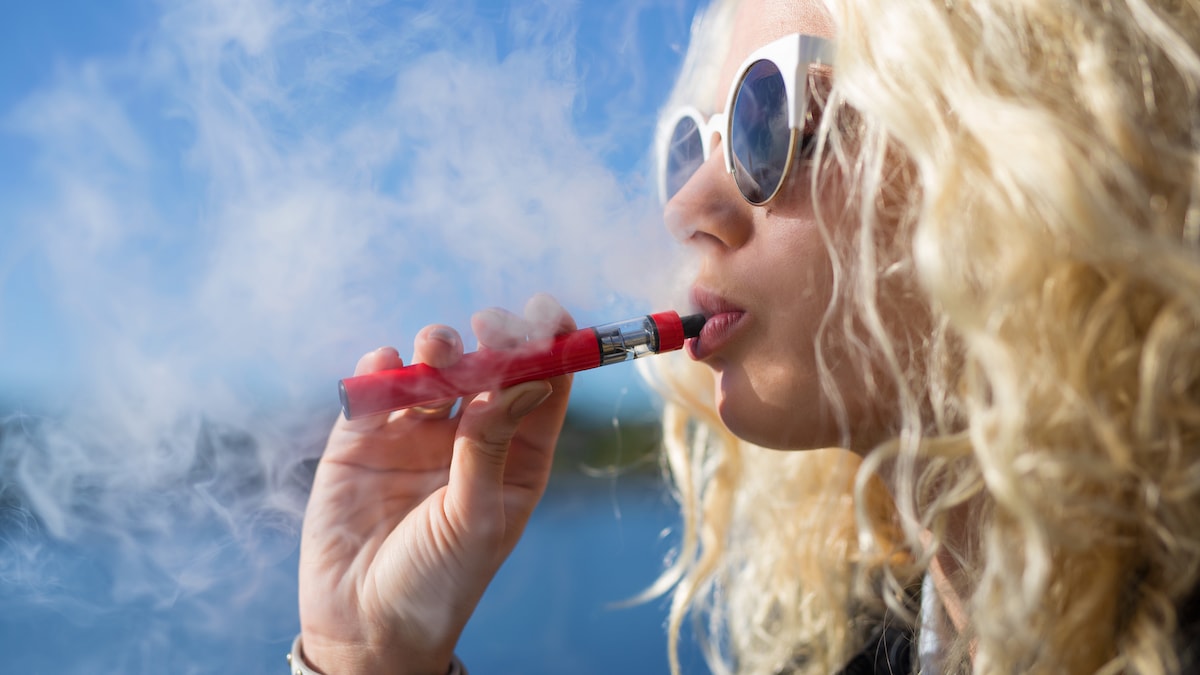
- Tobacco: Studies consistently show price sensitivity. A 10% price increase typically reduces consumption by about 4% in adults and up to 13% in youth. However, the rise of cheaper alternatives like e-cigarettes (vaping) has complicated this, suggesting taxes must be broad-based to be effective.
- Alcohol: Research, including a 2024 European study, confirms that higher alcohol taxes reduce consumption, particularly in countries like Germany where current taxes are low compared to other European nations.
- Sugar: The international experience (e.g., UK, Mexico) is telling. Sugar taxes often work less through direct consumer choice and more by incentivizing manufacturers to reformulate products. To avoid higher tax brackets, companies reduce sugar content in drinks, meaning consumers get healthier options without actively changing buying habits.
While linking tax hikes directly to reduced healthcare spending is complex, fewer cases of tobacco- and alcohol-related diseases logically lead to lower treatment costs over time.
Conclusion: A Tool, Not a Magic Bullet
Increasing taxes on tobacco, alcohol, and sugar presents a compelling, dual-purpose tool for policymakers: raise revenue and encourage public health. The evidence supports their effectiveness in reducing consumption, especially when designed comprehensively (e.g., including e-liquids and wine) and paired with measures to offset the regressive impact on low-income households.
However, they are not a standalone solution. To truly improve population health and sustainably finance healthcare systems, sin taxes should be part of a broader strategy that includes education, access to preventive care, mental health support, and ensuring that healthy choices are affordable and accessible for everyone.