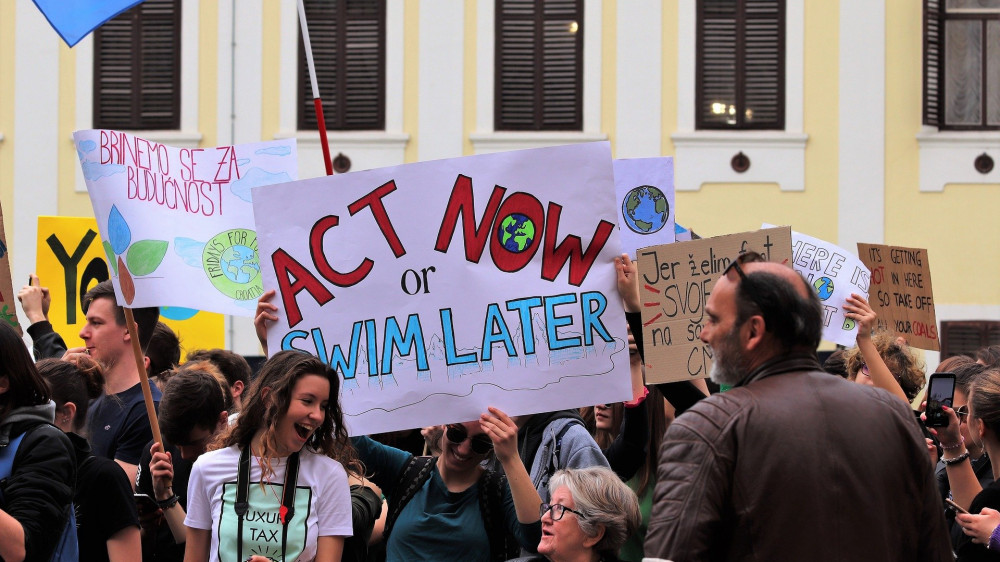
Have you considered the environmental and social impact of your insurance policy? As climate change leads to more frequent and severe weather events—like the devastating floods in Europe—the concept of sustainability is becoming unavoidable for the financial sector. This includes the insurance industry, which faces rising costs from climate-related claims. A recent survey reveals a striking finding: when it comes to choosing sustainable insurance coverage, there is a significant gender gap in consumer attitudes. Women are markedly more likely to prioritize environmental, social, and governance (ESG) factors in their insurance decisions than men.
The push for sustainability in finance has gained major momentum. The European Union has established the Taxonomy Regulation to set standards for sustainable investments. Leading insurers have formed climate alliances, pledging to reduce their portfolios' emissions to net-zero by 2050. But how do everyday customers feel about ESG in insurance? The digital insurance broker Clark commissioned a YouGov survey of 1,018 people to find out, uncovering clear demographic trends.
The Survey Results: A Clear Divide in Priorities
Overall, 52% of all respondents stated that topics like sustainability and environmental protection were important to them when choosing insurance. However, a deeper look at the data shows a pronounced difference between genders:
- 56% of women said sustainability was rather important to them in an insurance context.
- Only 48% of men felt the same way.
The contrast is even starker when examining indifference. While 24% of women said sustainability was unimportant, a much larger 40% of men reported they did not want to consider sustainability in their insurance coverage. This suggests men, on average, are significantly less engaged with the long-term, intergenerational implications of their financial choices.
| Attitude Toward Sustainability in Insurance | Women | Men |
|---|---|---|
| Consider it Important | 56% | 48% |
| Consider it Unimportant | 24% | 40% |
| Key Takeaway | Women are ~17% more likely to value sustainable coverage; men are ~67% more likely to be indifferent. | |
Why Does This Gender Gap in Sustainable Insurance Matter?
Marco Adelt, CEO of Clark, emphasizes the urgency of sustainable action. He notes that humanity can insure itself against many natural hazards, but there is no insurance policy for the planet itself. Once ecological damage becomes irreparable, it cannot be replaced. This survey indicates that a substantial portion of the population, particularly men, may be underestimating this systemic risk.
The survey also posed a hypothetical question: Would you pay an annual premium to insure the Earth against damages like climate change or pollution? Only 43% of respondents said yes. This reluctance, combined with the gender gap, highlights a challenge for the industry: translating broad awareness of climate risk into actionable consumer demand for green insurance products.
Implications for the Insurance Industry and Consumers
This data is crucial for insurance companies developing and marketing products. The growing demand, especially from women, for ESG-aligned insurance represents a significant market opportunity. Insurers can respond by:
- Offering transparent sustainable investment options for life insurance and pension products.
- Developing insurance solutions that incentivize eco-friendly behavior (e.g., discounts for green homes or electric vehicles).
- Clearly communicating their own corporate ESG commitments and investment policies.
For consumers, this is a reminder to align your financial decisions with your values. Just as you might choose a health plan based on network quality and coverage—whether it's a private health insurance plan or a public program like Medicare—you can now evaluate insurers based on their environmental and social impact. Asking about an insurer's ESG criteria is becoming as relevant as comparing premiums and deductibles.
Conclusion: The Future is Sustainable and Inclusive
The Clark survey underscores that sustainable insurance is not a niche concern but a growing mainstream expectation, with women leading the demand. As climate risks intensify, the link between personal financial protection and planetary health will only strengthen. Whether you are reviewing your homeowners insurance after a flood or your life insurance policy, considering the sustainability of your provider is a powerful way to contribute to a more resilient future. The industry must bridge this gender gap in perception to meet the comprehensive needs of all customers in an evolving world.
Advertisement
A press release detailing these surveys is available on the Clark website. The data provides a compelling snapshot of current consumer attitudes as the insurance sector navigates its crucial role in the transition to a sustainable economy.