Winter Tires vs. Summer Tires: How Your Choice Affects Insurance Coverage & Fines
When frost, snow, or black ice coats the roads, your tire choice becomes a critical safety and financial decision. Many drivers wonder: Is it illegal to use summer tires in winter? What happens to my car insurance coverage if I have an accident? This guide explains Germany's unique situational winter tire law, the severe penalties for non-compliance, and the real risk of having your insurance claim denied. Making the wrong choice can void your protection and hit your wallet hard.
Understanding Germany's Situational Winter Tire Law
Contrary to popular belief, Germany does not have a fixed calendar-based winter tire mandate. The common "O-to-O" (October to Easter) rule is just a guideline. The legal requirement is situational:
You must use winter tires whenever winter road conditions exist. This includes ice, packed snow, slush, black ice, or frost on the road.
Driving with summer tires under these conditions is a violation of traffic law (Straßenverkehrsordnung or StVO). It's not just unsafe—it's an act of gross negligence that can trigger serious legal and insurance consequences.
Penalties & Fines: The Immediate Cost of Non-Compliance
If caught driving with summer tires in winter conditions, you face significant penalties:
| Violation | Fine | Penalty Points (in Flensburg) | Additional Notes |
|---|---|---|---|
| Driver using summer tires in winter conditions | €60 | 1 point | Standard penalty. |
| Driver obstructing traffic due to unsuitable tires | €80 | 1 point | If you cause a traffic delay or hazard. |
| Vehicle owner who permits such a journey | €75 | 1 point | The owner is liable even if not driving. |
The science is clear: Summer tire rubber compounds harden significantly below 7°C (45°F), drastically reducing grip. This increases braking distance, impairs steering, and compromises vehicle stability, creating a major safety risk for you and others.
Insurance Implications: When Your Coverage is at Risk
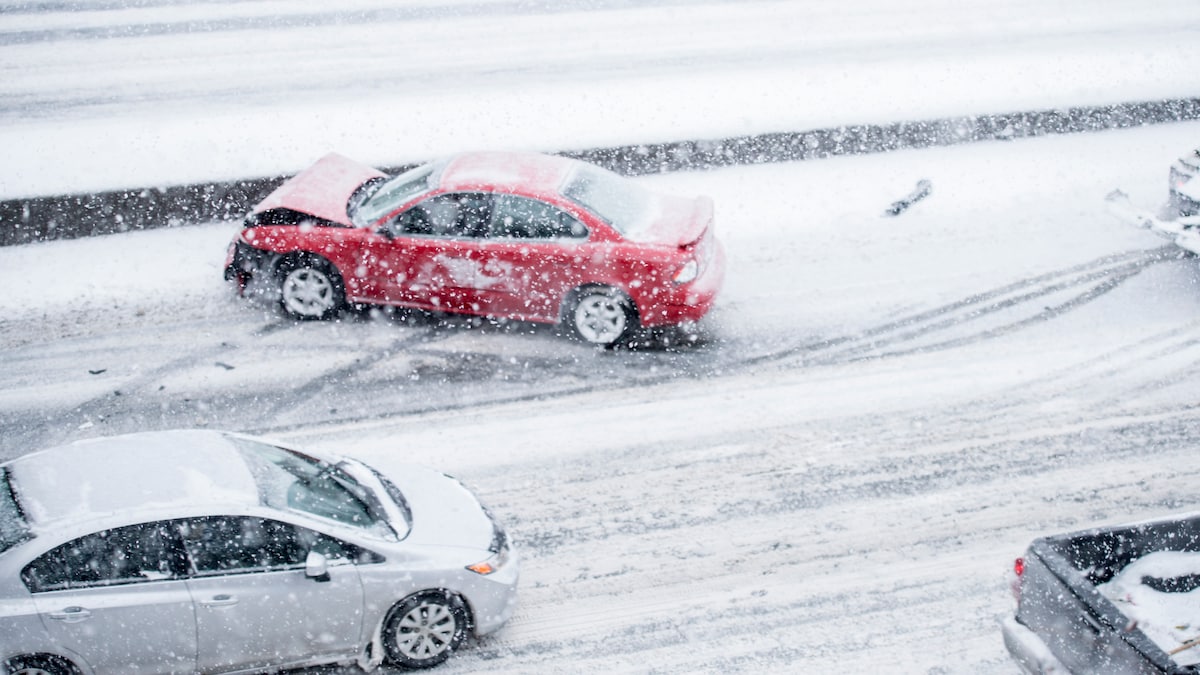
This is where the real financial danger lies. If you cause an accident while using summer tires in winter, your auto insurance provider can take severe action.
1. Liability Insurance (Haftpflichtversicherung) – The Risk of Regress
If you are at fault, your liability insurance will cover the other party's damages. However, because driving on summer tires is considered gross negligence, the insurer can then seek reimbursement (regress) from you for the entire payout, up to €5,000. Even if you're not the primary cause, using the wrong tires can establish shared fault, reducing any compensation you might receive.
2. Comprehensive & Collision Coverage (Kaskoversicherung) – Claim Reductions or Denials
For your own vehicle's damage, the situation is equally serious. If unsuitable tires contributed to the accident—whether it's a collision, skidding off the road, or even a single-vehicle incident—the insurer can reduce or completely deny your claim. This applies to both comprehensive (e.g., hitting a deer) and collision coverage. The degree of reduction depends on how central the tire violation was to the cause of the accident.
All-Season Tires: A Viable Alternative?
All-season tires (Ganzjahresreifen) can be a practical compromise, but only if they are truly winter-rated. Look for the Three-Peak Mountain Snowflake (3PMSF) symbol (a mountain with a snowflake). This certifies the tire meets specific snow traction performance standards.
Warning: Older tires marked only with M+S (Mud and Snow) are no longer considered sufficient for winter conditions under German law. Using them in winter carries the same legal and insurance risks as using summer tires.
Proactive Steps to Protect Yourself and Your Coverage
- Check Your Policy: Review your car insurance terms and conditions. Some policies explicitly exclude coverage for accidents caused by using summer tires in winter, even if they otherwise cover gross negligence.
- Switch Tires Early: Don't wait for the first snowfall. Switch to winter or certified all-season tires when average temperatures consistently drop below 7°C.
- Consider Tire Insurance: Some insurers offer optional tire damage coverage, which can be worthwhile given the cost of modern tires.
- Annual Insurance Review: Use the seasonal tire change as a reminder to compare car insurance quotes. Ensure you have the right coverage at the best price.
Bottom Line: Using summer tires on winter roads is a high-stakes gamble. You risk fines, penalty points, and, most critically, the loss of your insurance financial protection when you need it most. The safest and most financially sound strategy is to equip your vehicle with proper winter or certified all-season tires before cold weather arrives. This simple step protects your safety, your legal standing, and ensures your auto insurance policy will perform as expected in case of an incident.