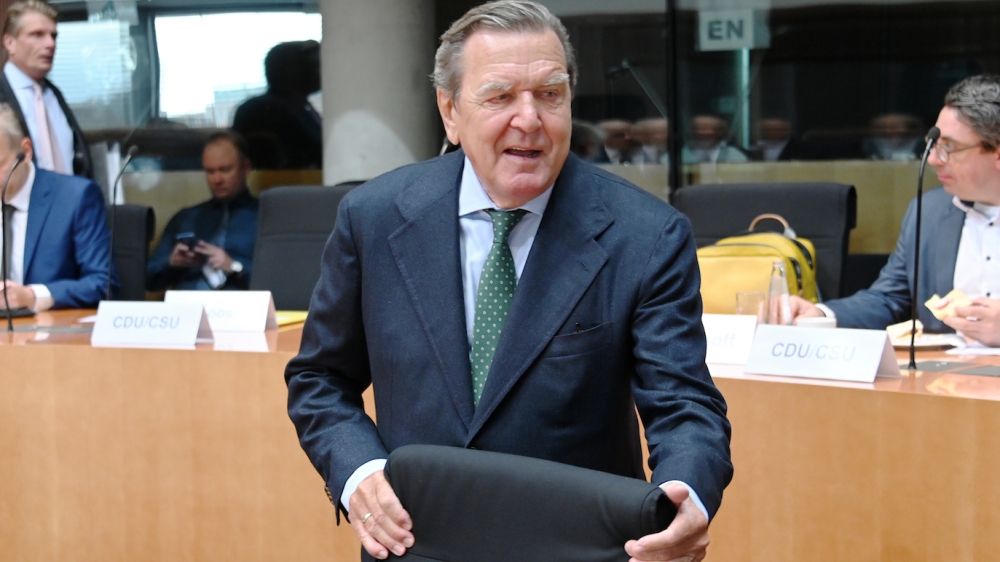
Gerhard Schröder on Finance: A Candid Look at Stocks, Pensions, and Personal Savings
What does a former German Chancellor do with his money? In a revealing interview, Gerhard Schröder, the architect of Germany's landmark Agenda 2010 reforms, shared his surprisingly conservative personal investment strategy. Despite championing policies that increased the need for private retirement savings, Schröder admits to a distinctly "old school" approach to finance, owning only two individual stocks—and those were bought under obligation. This article explores his candid views on stock market investing, the state of the German pension system, and the future of the Riester pension he helped introduce, offering a unique perspective on personal finance from one of Germany's most influential political figures.
The "Old School" Financier: Cash, No Online Banking, and Just Two Stocks
Schröder describes himself as "old school" in financial matters. He prefers cash, does not use online banking, and handles his banking through a traditional savings bank (Sparkasse). This aversion to modern finance extends to the stock market. He owns precisely two shares of stock, both in the company Continental.
He acquired these not by choice, but as a requirement when he served as an ombudsman during Schaeffler Group's takeover of Continental in 2008. With a touch of self-criticism, he noted, "The two shares cost 50 euros back then, today they are worth 250 euros. I should have bought more of them."
Why He Avoids the Stock Market: A Lack of Time and Expertise
While the potential returns are appealing, Schröder cites two main reasons for staying away from equity investments:
1. Perceived Need for Specialized Knowledge: He believes successful investing requires "some special knowledge, more than I have."
2. Time Commitment: He has neither the time nor the inclination to engage with the markets daily.
This stance aligns with a broader cultural trend in Germany, where a significant portion of the population remains skeptical of the stock market. Schröder is not alone among SPD leaders; current Chancellor Olaf Scholz has also previously expressed a preference for savings accounts over stocks.
Schröder's Outlook on Pensions: Challenges and Defending Riester
As the father of reforms that shifted more retirement responsibility onto individuals, Schröder's views on the pension system are particularly noteworthy.
- The Statutory Pension (Gesetzliche Rente): He is pessimistic about its near-term future, predicting it will face difficulties within 5-10 years due to demographic pressures. He suggests the next government will need to discuss raising the retirement age further but emphasizes that incentives for voluntary longer work should avoid financial disadvantages. He also pragmatically notes that a desk worker can typically work longer than a nurse or construction worker.
- The Riester Pension: Schröder staunchly defends the Riester pension, the state-subsidized private pension scheme introduced under his government. He frames it as the essential "third pillar" of the German system, alongside statutory and occupational pensions. While acknowledging mistakes were made—particularly regarding high costs and bureaucracy—he argues the fundamental principle remains sound and must be corrected, not abandoned, as a matter of "political reliability."
| Topic | Schröder's Stance | Key Quote / Insight |
|---|---|---|
| Personal Investing | Extremely conservative; avoids stocks. | "I believe you need some special knowledge for that, more than I have." |
| Stock Ownership | Owns 2 Continental shares, bought involuntarily. | "I should have bought more of them." (After a 400% gain) |
| Banking Habits | "Old school": uses cash, a Sparkasse, no online banking. | Prefers simplicity and traditional methods. |
| Statutory Pension | Predicts major challenges in 5-10 years. | Supports incentives for longer work, but notes physical job limitations. |
| Riester Pension | Defends the core concept but admits implementation flaws. | "This principle was right then, and it still is today." |
Lessons for Your Financial Planning
Schröder's admissions highlight several key considerations for your own retirement planning:
- Knowledge is Power: His reluctance to invest stems from a perceived knowledge gap. This underscores the value of financial education. You don't need to be a day trader, but understanding basic principles of long-term investing, diversification (e.g., via low-cost ETFs), and compound interest is crucial.
- The Three-Pillar Model is Reality: Schröder's defense of Riester reinforces that relying solely on the state pension is increasingly risky. Building supplemental savings through employer plans (betriebliche Altersvorsorge) and private instruments is essential.
- Start Early and Be Consistent: The story of his two Continental shares is a miniature lesson in long-term growth. Small, regular investments in a diversified portfolio over time can be a more accessible strategy than picking individual stocks.
- Professional Advice Can Bridge Gaps: If you feel you lack the time or expertise, consulting a fiduciary financial advisor can help you develop a suitable strategy, much like citizens were encouraged to do post-Agenda 2010.
Conclusion: A Statesman's Candidacy and Your Financial Future
Gerhard Schröder's interview offers a fascinating, if conservative, glimpse into the personal finances of a key architect of modern German social policy. While his own hands-off approach to the markets may surprise some, his warnings about the public pension system and his defense of the multi-pillar model are highly relevant for every saver. The takeaway is clear: taking personal responsibility for your retirement savings is not just a political slogan—it's an economic necessity. Whether through educated self-directed investing or with professional guidance, proactively building your "third pillar" is the most reliable path to financial security in your later years.
Calculate your future retirement entitlements with our practical Riester Pension Calculator.