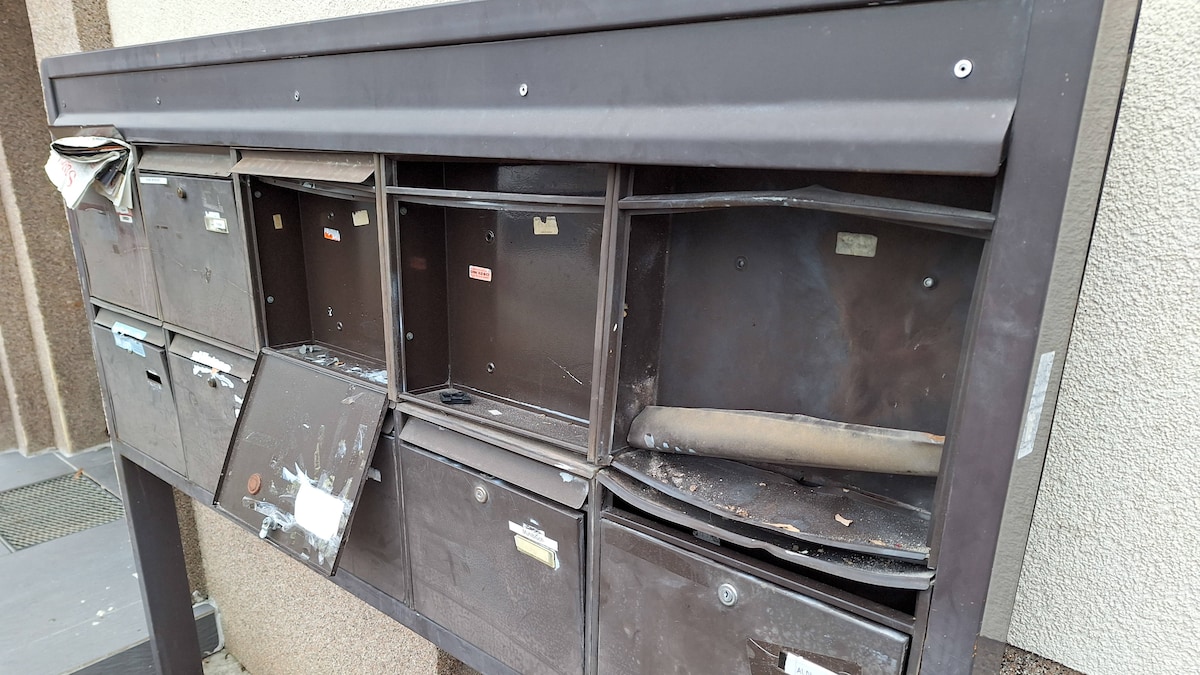
Fireworks Fallout: Navigating Insurance Claims for New Year's Eve Damage
The celebrations are over, but the aftermath can be costly. A damaged facade, a shattered window, or a burned piece of furniture—fireworks-related property damage is an all-too-common start to the new year. The immediate question is: Who pays for this? The answer hinges on the type of damage, who caused it, and the specific coverage in your insurance policies. This guide walks you through the liability rules and insurance claims process for both Germany and the United States, helping you secure compensation and avoid financial headaches.
The Golden Rule of Liability: The Person Who Causes the Damage is Responsible
Legally, the principle is straightforward: the individual who launches the firework that causes property damage is financially liable for the repairs. This applies whether it's a misfired rocket hitting a roof or a firecracker damaging a car.
However, in practice, identifying the specific person in a crowded celebration is often impossible. This is where your own insurance policies become the first line of defense, even if they later seek reimbursement (regress) from the liable party if found.
What Type of Damage Do You Have? Your Insurance Roadmap
The path to compensation depends entirely on what was damaged and your status as an owner or renter.
| Type of Damage | Who is Primarily Responsible? | Which Insurance Policy Typically Covers It? | Key Action Steps |
|---|---|---|---|
| Building Structure (Facade, roof, windows, door, mailbox, balcony) | The property owner. | Homeowner's Insurance (Wohngebäudeversicherung) in Germany. Homeowners Insurance (Dwelling Coverage) in the US. | 1. Document damage with photos/video. 2. Report to your insurance company immediately. 3. File a police report if the perpetrator is unknown (creates an official record). |
| Personal Belongings / Interior (Sofa, carpet, curtains, electronics) | The renter or occupant of the home. | Renter's Contents Insurance (Hausratversicherung) in Germany. Renter's Insurance (Personal Property Coverage) in the US. | 1. Document all damaged items. 2. Check your policy for coverage of "fire" or "explosion." 3. File a claim with your renter's insurer. |
| Damage You Cause to a Neighbor's Property | You, as the person who caused it. | Your Personal Liability Insurance (Privathaftpflichtversicherung) in Germany. Your Renter's or Homeowner's Liability Coverage in the US. | 1. Notify your liability insurer immediately. 2. Do not admit fault publicly; let the insurers handle it. 3. Cooperate with their investigation. |
The Critical Role of Personal Liability Insurance
This is your most important policy when you are at fault. It covers damages you (or your children under supervision) accidentally cause to third parties. However, crucial exclusions apply:
- Intentional Damage (Vorsatz): Never covered.
- Gross Negligence (Grobe Fahrlässigkeit): This is a gray area. Lighting fireworks while intoxicated, using illegal explosives, or firing them in a clearly dangerous manner (e.g., from a balcony) may be considered gross negligence. In such cases, the insurer may reduce payment or deny the claim entirely.
Special Scenarios: Guests, Unknown Perpetrators, and Legal Issues
- Damage Caused by Your Guest: As the host, you can be held liable by the damaged neighbor or the landlord if the damage originated from your apartment/party. Your liability insurance may step in, but you could then be in a position to seek recourse from your guest.
- Unknown Perpetrator („Unerlaubter Handlung Dritter“): This is the most common scenario. If you can't identify who caused the damage, you must rely on your own property insurance (building or contents). A police report strengthens your claim.
- Violating Local Laws: Using fireworks outside permitted hours (in Germany, typically only on Dec. 31 and Jan. 1) or in prohibited zones (near hospitals, thatched roofs) can complicate or invalidate insurance coverage due to gross negligence.
Your 5-Step Action Plan After Fireworks Damage
- Secure the Area & Document Everything: Take clear, timestamped photos and videos of all damage from multiple angles. Note the date and time of discovery.
- Report to Authorities (If Needed): For significant damage or an unknown culprit, file a report with the local police. This provides an official record for your insurer.
- Notify Relevant Parties Immediately: Inform your landlord (if you're a renter) and your insurance company without delay. Check your policy for specific reporting deadlines.
- Do Not Admit Fault or Make Promises: If a neighbor's property is damaged, be polite but do not say "I'll pay for it." Direct them to your liability insurer.
- Prevent Further Damage: Take reasonable steps to mitigate damage (e.g., cover a broken window with boards to prevent water intrusion). Keep receipts for any temporary repair costs.
Conclusion: Celebrate Responsibly, Be Proactively Insured
While New Year's Eve is a time for celebration, a moment of negligence can lead to expensive consequences. The key to peace of mind is a combination of responsible behavior and robust insurance coverage. Ensure you have valid personal liability, homeowner's/renter's, and contents insurance with appropriate limits. Review your policies before the holiday season, understand the exclusions, and know the steps to take if damage occurs. A little preparation can ensure the only thing you're left with after the fireworks is a happy memory.