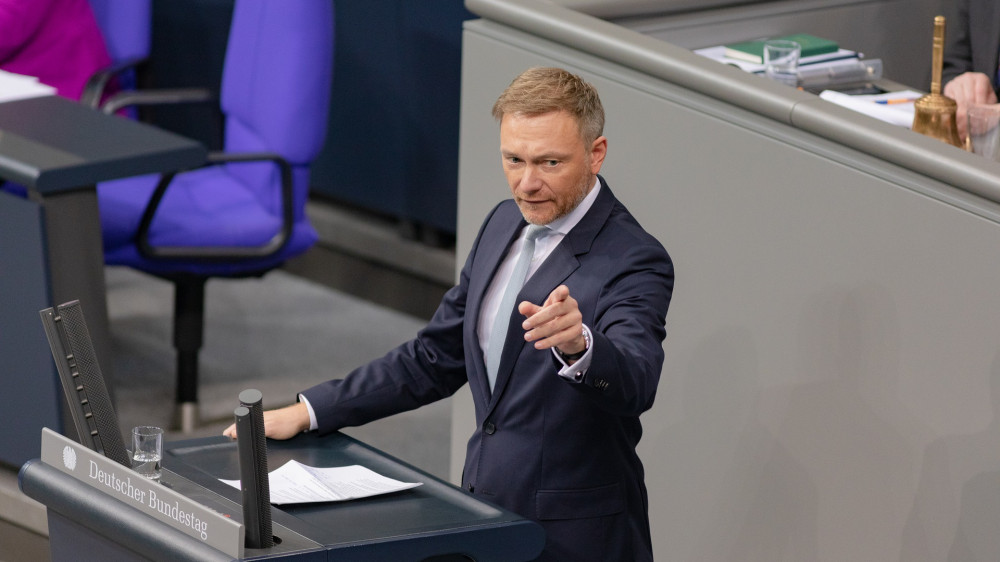
Imagine opening your paycheck to find a significantly larger deduction for health insurance. For millions in Germany, this could soon be a reality. The country's statutory health insurance (GKV) system, which covers nearly 90% of the population, is facing a severe financial crisis. A projected deficit of at least €17 billion for 2023 has prompted a stark warning from Dr. Carola Reimann, CEO of the AOK Federal Association. She is publicly calling on Federal Finance Minister Christian Lindner (FDP) to intervene, stating that without immediate federal support, contributions will have to rise dramatically. This situation offers a critical case study in the challenges of financing universal healthcare, with parallels to debates over Medicare and Medicaid funding in the United States.
The Scale of the Problem: Record Spending and Growing Gaps
The roots of the crisis are deep. In 2020, total German healthcare spending hit a record €440.6 billion, with per-capita costs exceeding €5,000 for the first time. The GKV, as the primary payer, shouldered 54.8% (€241.5 billion) of this burden. While the COVID-19 pandemic accelerated costs, the structural issues predate it: an aging population, expensive new medical technologies, and rising pharmaceutical prices. The system, funded by wage-based contributions, is strained as the ratio of contributors to beneficiaries shifts.
Dr. Reimann warns that to cover the €17 billion shortfall through contributions alone, the supplementary charge (Zusatzbeitrag) would need to jump from around 1.3% to up to 2.4%. This translates directly into higher payroll deductions for employees and employers. Jens Baas, CEO of Techniker Krankenkasse, has similarly warned of a potential doubling of supplementary contributions.
The Call to Action: Why the Finance Minister is "Now in Demand"
Reimann's central argument is that the federal government must honor its financial responsibilities to stabilize the system. She criticizes the lack of clarity and fears a delayed decision in the fall, which would leave health funds unable to plan their 2023 budgets. Specifically, she points to areas where the state, not the insurance funds, should bear the cost:
| Cost Area | Current Issue | Proposed Solution |
|---|---|---|
| VAT on Pharmaceuticals | The standard 19% VAT on medicines is paid from GKV funds, effectively using member contributions for tax revenue. | Remove or reduce VAT on essential medicines, with the state covering the revenue shortfall. |
| Health Insurance for Welfare Recipients | The GKV covers recipients of unemployment benefits (ALG II), but the associated contributions are complex and underfunded. | Ensure full and timely federal reimbursement for this group to relieve pressure on general contribution rates. |
| Structural Demographic Shift | An aging population increases costs without a proportional rise in contribution revenue. | Increase permanent federal subsidies to bridge the demographic gap, moving beyond one-time injections. |
This debate mirrors discussions in the US about the appropriate level of federal funding for Medicare and whether general tax revenue should play a larger role versus relying solely on payroll taxes and premiums.
What This Means for You: Potential Impacts on Consumers
Whether you are insured in Germany's GKV, enrolled in a US health plan, or simply observing global healthcare trends, this crisis highlights universal pressures:
- Higher Out-of-Pocket Costs: The most direct impact is rising premiums. For German employees, this means less net income. In the US, similar cost pressures lead to higher premiums, deductibles, and copays.
- Potential for Benefit Cuts: If additional funding isn't secured, health funds may be forced to scrutinize coverage more tightly, potentially limiting reimbursements for certain treatments or drugs.
- Political Crossroads: The situation forces a fundamental debate: Should healthcare be financed more through progressive general taxation (easing the burden on wages) or through dedicated contributions? The German government's response will set a precedent.
A Comparative Lens: Germany's GKV vs. US Medicare Challenges
While systems differ, the underlying funding dilemma is familiar. Germany's GKV, like the US Medicare Hospital Insurance (Part A) Trust Fund, faces long-term solvency concerns due to demographic change. Both systems rely on wage-based contributions from a shrinking active workforce to fund care for a growing retiree population. The German debate over using federal tax money to shore up the GKV is akin to US proposals to allocate more general revenue to Medicare to postpone trust fund depletion.
Conclusion: A Test of Political Will
The €17 billion question is not just about accounting—it's about political priority. Dr. Reimann's public call to Minister Lindner underscores that healthcare financing is at a tipping point. The outcome will determine whether millions of Germans face steeper healthcare deductions next year or if a structural solution involving greater federal responsibility is found. For consumers worldwide, it's a reminder to stay informed about how your healthcare system is funded, as those structures directly dictate the cost and security of your coverage.