Germany's Banking Transparency Failure: EU Legal Action Looms Over Missing Account Comparison Portal
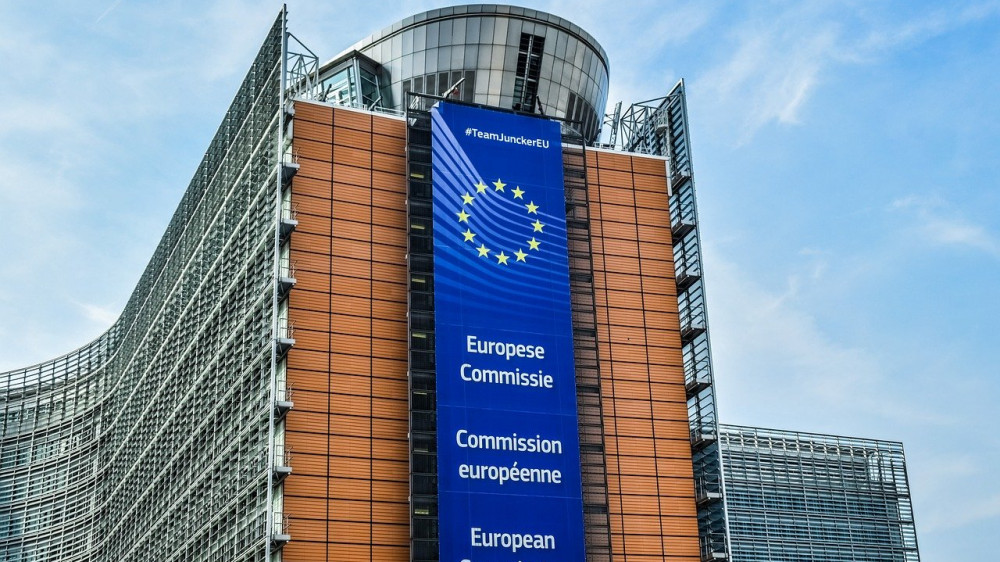
Did you know that, by EU law, you have the right to a free, neutral, and independent comparison of basic bank accounts? This directive, designed to empower consumers and foster competition, requires each member state to provide such a tool. However, in Germany, the implementation has become a case study in bureaucratic delay and failure. Years past the deadline, the German government still hasn't launched a compliant portal, prompting Green Party MEP Sven Giegold to file a formal complaint with the European Commission. The consequence? Germany now faces the real threat of a costly infringement procedure and daily fines that could reach hundreds of thousands of euros. Let's unpack this saga of missed deadlines, insufficient stopgaps, and what it means for your right to transparent banking services and financial advice.
A Mandate Ignored: The EU Directive and German Inaction
The core of the issue is the EU's Payment Accounts Directive. It mandates that every citizen must have access to a website comparing the fees, services, and conditions of basic payment accounts (Girokonten) offered in their country. This tool must be impartial, comprehensive, and free of commercial influence. The goal is to help consumers make informed choices, increase market transparency, and reduce barriers to switching banks—a key aspect of personal financial management and saving money.
Germany's initial approach was to outsource the project to a private provider. Only one company, the comparison platform Check24, bid for and won the contract. However, this solution was short-lived. Consumer protection agencies criticized it for lacking a sufficient overview of the market (featuring only 613 account models) and containing outdated data. Faced with legal challenges, Check24 shut down the portal just months after launch.
The Stopgap That Falls Short: Stiftung Warentest's Limited Offering
With the government's project in disarray, the renowned consumer organization Stiftung Warentest stepped in as an interim solution. It made its usually paid bank account comparison freely available to the public. While a commendable effort, it fails to meet the EU's legal requirements. The test portal compares only around 300 account models—less than half of what the already-criticized Check24 portal offered.
MEP Sven Giegold explicitly criticized this offering in his complaint, stating that its market coverage is "clearly not compliant with the directive." This highlights the problem: a well-intentioned consumer tool is not a substitute for the official, comprehensive, and legally mandated service the government is obligated to provide.
Bureaucratic Hurdles and Political Resistance
The federal government's current plan is to task the Federal Financial Supervisory Authority (BaFin) with creating and hosting the portal. However, this process is mired in complexity and delay. The BaFin must collect and maintain data from over 1,700 German banks, many of which lack the digital interfaces for automated data feeds, requiring manual updates. The earliest possible launch date has been pushed to 2022 at the earliest.
Furthermore, the plan faces political opposition. As reported by Handelsblatt, the CDU/CSU parliamentary group opposes having the BaFin, which is still grappling with the fallout from the Wirecard scandal, take on this additional consumer-facing project. They argue the regulator should focus on its core supervisory duties. This political deadlock adds another layer of uncertainty to an already delayed process.
The Looming Consequences: EU Fines and Consumer Distrust
The EU does not take non-compliance lightly. As a precedent, Germany faced potential daily fines of €850,000 for exceeding nitrate limits in agriculture. Similar punitive measures could be applied here. Giegold's complaint aims to force the German authorities into action by highlighting the lack of a "credible strategy" to fix the non-compliance.
For you, the consumer, this ongoing failure means continued difficulty in easily comparing essential banking products. In an era where managing banking fees, optimizing savings account interest, and choosing the right financial products are crucial for financial health, the absence of a reliable, state-provided tool is a significant disadvantage. It leaves the field to commercial comparison sites, which may have inherent biases or incomplete data.
Conclusion: A Test of Consumer Rights and Digital Governance
The saga of Germany's missing bank account comparison portal is more than a bureaucratic mishap; it's a test of the government's commitment to consumer rights and digital transparency in the financial sector. The threat of EU legal action underscores the seriousness of the obligation. For now, German consumers are left with incomplete tools while their government risks substantial fines. The resolution of this issue will be a key indicator of whether Germany can effectively translate EU consumer protection directives into tangible benefits for its citizens in the digital age.