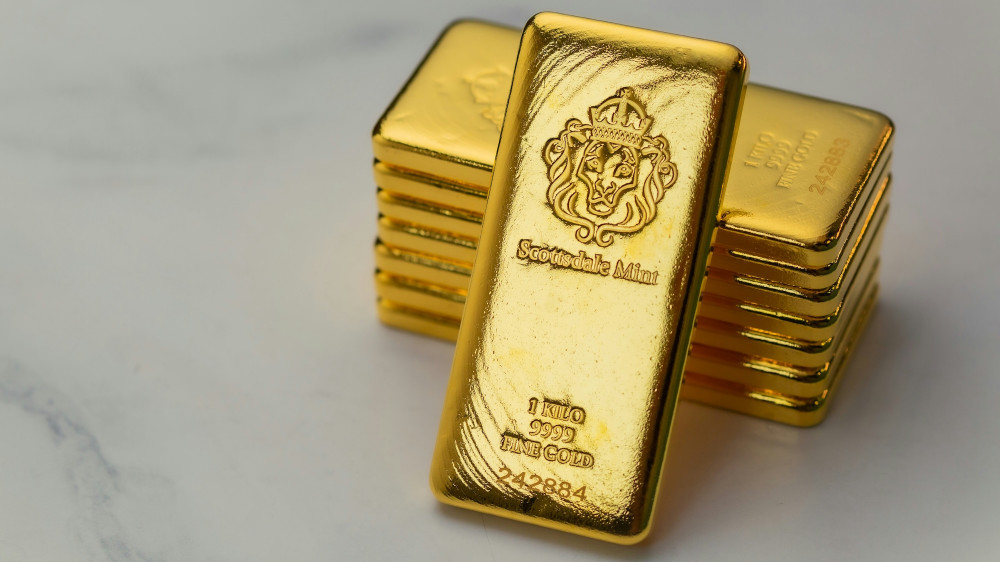
Why Consider Precious Metals in Your Investment Strategy?
As an investor, you are constantly navigating a landscape marked by market volatility, inflationary pressures, and geopolitical tensions. In this environment, precious metals investing offers a time-tested approach to portfolio diversification and wealth preservation. Much like how Americans might consider the stability of Medicare alongside private health insurance for comprehensive coverage, blending traditional assets with precious metals can create a more resilient financial plan. Historically, metals like gold have acted as a safe-haven asset, often moving inversely to stocks and bonds during downturns.
Understanding Your Options: Physical vs. Paper-Based Metals
When you decide to add precious metals to your portfolio, a key choice is between physical possession and paper-based financial products. Each has distinct advantages, risks, and implications for asset protection and retirement planning.
| Investment Form | Key Features | Potential Advantages | Key Risks & Considerations |
|---|---|---|---|
| Physical Metals (Bullion, Coins) | Direct ownership of the tangible asset. | No counterparty risk; perceived safety; potential tax advantages on long-term capital gains (e.g., in some jurisdictions, gold held over 12 months may be tax-exempt). | Storage and insurance costs; lower liquidity for large/small amounts; security concerns. |
| Paper-Based Products (ETCs, ETFs, Certificates) | Indirect ownership via securities backed by metal. | High liquidity; easy to trade; lower entry cost; no storage hassle. | Counterparty/issuer risk; may not be fully backed by physical metal; different (often more complex) tax treatment. |
Strategic Allocation: How Much Should You Hold?
Precious metals should primarily serve as a long-term defensive component, not a vehicle for short-term speculation. Think of them not as a replacement for growth-oriented investments like stocks, but as a stabilizing "insurance" portion of your portfolio. A common recommendation for financial advisors is to allocate between 5% and 15% of total investable assets to precious metals, adjusted for your specific risk tolerance, investment horizon, and financial goals.
- Gold: The cornerstone. Primarily a long-term store of value and hedge against inflation and currency devaluation.
- Silver: A hybrid. It has monetary value but also significant industrial demand (solar, electronics), leading to higher volatility and different growth drivers.
- Platinum & Palladium: More specialized. Their value is heavily tied to industrial use (e.g., automotive catalysts, hydrogen technology). They are suitable for experienced investors seeking targeted commodity exposure.
Navigating Regulations and Advisor Responsibilities
If you are working with a financial advisor or wealth manager, it's important to understand the regulatory landscape. The rules differ significantly based on the product:
- Physical Metals: Often not classified as financial instruments. Advisors recommending them may not need specific securities licenses, but they must still provide suitable, transparent advice.
- Paper-Based Securities (ETCs, Funds): These are regulated financial instruments. Advisors must have appropriate licenses (similar to Series licenses in the U.S.), conduct suitability assessments, and provide detailed documentation of risks—failure to do so can lead to liability issues.
A competent advisor should clearly explain these differences, including the distinct risk profiles and tax implications of each option, ensuring you make a fully informed decision.
Common Pitfalls to Avoid in Precious Metals Investing
To protect your retirement savings and investment portfolio, be wary of these common mistakes:
- Overstating Safety: Labeling any investment "completely safe" is misleading. While stable, precious metals prices can and do fluctuate.
- Lack of Diversification Within the Asset Class: Focusing solely on gold without considering silver or other metals ignores diversification benefits within the sector itself.
- Ignoring Storage & Costs: For physical metals, secure storage and insurance are ongoing costs that impact net returns.
- Overlooking Tax Implications: Tax treatment varies widely (e.g., physical vs. paper, holding periods). Always consult a tax professional.
- Using Inappropriate Products: Recommending volatile paper derivatives to a conservative investor nearing retirement is a classic misstep.
A Practical Framework for Integration
For a sound strategy, follow these steps:
- Assessment: Define your financial goals, risk appetite, time horizon, and existing portfolio structure.
- Education: Understand the role, benefits, and risks of each metal and investment form.
- Strategic Allocation: Determine the appropriate type and percentage allocation for your plan.
- Selection: Choose reputable dealers or fund providers. For physical metals, consider partners offering insured, audited storage.
- Ongoing Review: Regularly monitor your allocation and rebalance as needed, staying informed on market drivers like central bank policies, mining supply, and industrial demand.
The Future Outlook and Your Financial Security
The case for precious metals remains strong. Central banks globally are increasing gold reserves to diversify away from the US dollar, akin to how individuals might diversify away from a single asset class. Persistent geopolitical risks, expansive fiscal policies, and concerns about sovereign debt underscore their role as a long-term hedge. For you, the investor, maintaining a disciplined, informed approach to including precious metals can be a cornerstone of a robust strategy for financial independence and asset protection.
By understanding these principles, you can work effectively with your financial advisor to determine if and how gold investment, silver assets, and other precious metals can help secure your financial future, providing peace of mind in an uncertain world.