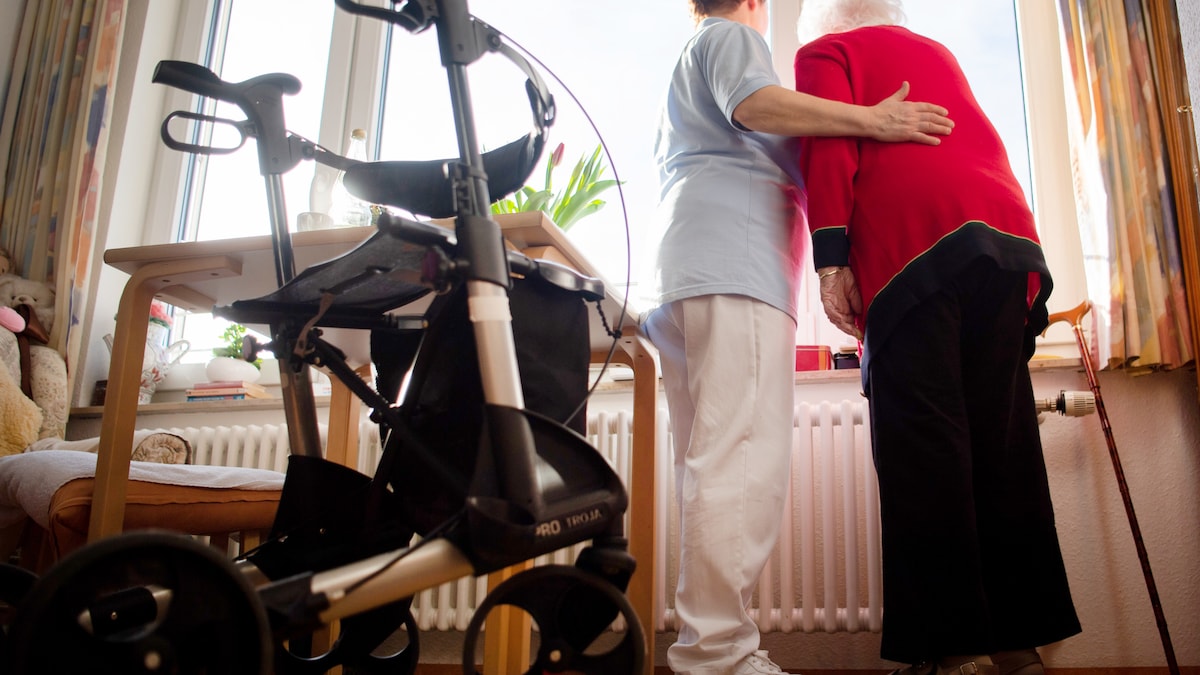
Germany's Nursing Care Reform: Why the New Measures Fall Short for Workers and Patients
The German government's recently announced measures to support the nursing care sector—including mandated collective wage agreements and reduced patient co-payments—are being criticized as a stopgap solution that fails to address systemic issues. With a projected shortage of 150,000 skilled care workers by 2035 and average monthly out-of-pocket costs for nursing home residents exceeding €2,000, the need for a comprehensive overhaul is urgent. This analysis examines why the current "reformette" is inadequate for both underpaid caregivers and financially burdened care recipients, drawing parallels to challenges in other systems like the funding pressures facing Medicare and Medicaid in the USA.
The Core Problem: Chronic Underfunding and Staff Shortages
The German nursing care system is in crisis. Caregivers, predominantly women, perform physically and emotionally demanding work for modest wages—an elderly care nurse earns roughly €500 less per month than a hospital nurse. This pay disparity, combined with difficult working conditions, has led to a severe staffing shortfall, increasingly filled by recruiting overseas workers. The public applause for caregivers during the pandemic highlighted their essential role but did not translate into structural improvement. The system's reliance on a shrinking and undervalued workforce mirrors long-term challenges in sustaining care quality within budget-constrained public systems globally.
Analyzing the Proposed Measures: Mandated Wages and Co-Payment Relief
The coalition's plan has two main pillars, both of which have significant limitations.
| Proposed Measure | Stated Goal | Key Limitations & Criticisms |
|---|---|---|
| Mandatory Collective Wage Agreements | Gradually raise and standardize wages across all care facilities (public, private, church-run). | No universally binding sector-wide tariff is established. Allows potential loopholes via deals with non-representative unions. Opposition from private providers and church employers (who restrict strike rights) may dilute impact. |
| Reduction of Patient Co-Payments (Eigenanteil) | Financially relieve nursing home residents by having statutory insurance cover a larger share of costs. | Relief is phased and only starts after 12 months of residency. With nearly half of residents passing away within their first year, many will never benefit. The average co-payment remains prohibitively high at over €2,000/month. |
| Funding Sources | Finance improvements via a €1 billion federal grant and a 0.1-point contribution increase for childless individuals. | The funding is deemed insufficient for long-term sustainability. Raising contributions on childless persons is controversial and doesn't solve the structural revenue problem. |
Systemic Gaps and Long-Term Challenges
The reform fails to tackle several foundational issues:
- Insufficient Long-Term Financing: The one-time federal grant and minor contribution tweaks do not create a sustainable funding model for a system facing rising demand due to demographic aging. This is akin to debates over the long-term solvency of the Medicare Hospital Insurance Trust Fund in the United States.
- Missed Opportunities for Broadening the Base: Experts suggest including civil servants and self-employed individuals in the statutory nursing care insurance to widen the contributor base—a measure not included in the current plan.
- Immediate Relief is Lacking: For both workers and residents, the measures offer delayed and incremental change rather than the immediate, substantial support needed to stabilize the sector.
The Path Forward: What a Real Reform Would Require
To genuinely address the nursing care crisis, future policymakers must consider:
- Establish a Universally Binding Sector-Wide Wage Agreement: Ensure fair, competitive wages across the entire industry to attract and retain domestic talent.
- Cap and Substantially Reduce Patient Co-Payments: Implement immediate, meaningful relief for all nursing home residents, not just long-term residents.
- Develop a Sustainable, Transparent Funding Model: This may require significantly higher federal subsidies, broader contribution bases, and honest debates about tax funding, similar to discussions around expanding Medicaid eligibility or funding long-term care benefits in other countries.
- Improve Working Conditions: Beyond pay, address staff-to-patient ratios, administrative burdens, and professional development to make care careers more attractive.
Conclusion: A Missed Opportunity for Meaningful Change
While the German government's acknowledgment of the nursing care crisis is a step forward, the proposed measures are a political compromise that falls short of a systemic reform. They offer limited, delayed benefits that fail to solve the core problems of unfair wages for caregivers and crippling costs for patients. As Germany heads into an election period, nursing care remains a critical issue. Voters and advocates should demand a more courageous, comprehensive, and sustainably financed overhaul that truly values both those who provide care and those who need it. The future of the system depends on moving beyond piecemeal solutions.