Personal Liability Insurance for Athletes: Your Essential Guide
For anyone active in sports, a personal liability insurance (Private Haftpflichtversicherung) is not just recommended—it's fundamental financial protection. It's designed to cover the costs if you accidentally injure someone or damage property. But how does this apply on the soccer field, ski slope, or bike trail? We spoke with Fermin Fuentes, Head of the Private Customer Liability Department at Die Haftpflichtkasse VVaG, to clarify what's covered, what's not, and the critical misunderstandings that could leave you exposed.
What Does Personal Liability Insurance Cover for Sports?
According to Fuentes, a standard personal liability policy covers three core areas that are highly relevant to athletes:
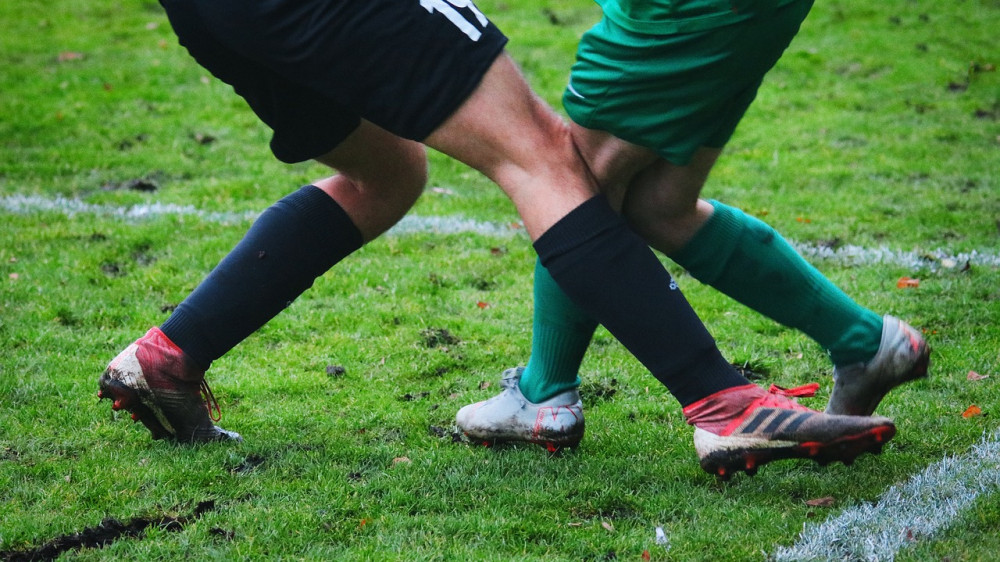
- Bodily Injury (Personenschaden): If you accidentally injure another person (e.g., a collision in soccer that breaks an opponent's leg).
- Property Damage (Sachschaden): If you accidentally damage someone else's property (e.g., hitting a golf ball through a window).
- Financial Loss (Vermögensschaden): Consequential financial losses stemming from the above.
The insurer's role is to examine claims made against you, pay legitimate ones, and legally defend you against unjustified claims. This coverage typically extends to popular recreational sports like:
| Typically Covered (Recreational) | Often Requires Special Coverage |
|---|---|
| Cycling & E-Biking | Horseback Riding / Equestrian Sports |
| Recreational Soccer/Football | Hunting |
| Tennis | Motorboating |
| Gymnastics | Paragliding / Hang Gliding |
| Golf (casual) | Skydiving |
| Running/Jogging | Dog Ownership (related liability) |
The Critical Misunderstanding: "Liability" vs. "Accident"
Fuentes highlights the most crucial point for athletes: "Many damaging events in sports do not fall into the area of liability."
This is the central concept. Your liability insurance is not an accident insurance for any injury that occurs. It only activates if you are found legally liable (haftbar) for the damage. In sports, this is often not the case due to the concept of "assumption of risk" (Übernahme eines allgemeinen Lebensrisikos).
Examples of likely NON-liable incidents:
- A routine, fair tackle in soccer that results in an injury.
- Accidental collisions during a recreational basketball game where no rules were violated.
- A skier following the FIS rules who collides with another skier who was at fault.
In these scenarios, the injured party's own health or accident insurance handles their costs. Your liability insurer's role here would be to defend you if an unjustified claim is made, saving you legal fees.
Examples where liability MAY apply:
- Violating sport-specific rules: A dangerous, rule-breaking tackle from behind in soccer.
- Gross negligence: Skiing recklessly off-piste and causing a collision.
- Damage to third-party property: Hitting a stray golf ball into a parked car.
Why This Insurance is Especially Critical for Recreational Athletes
Fuentes stresses several key reasons:
- No Club Insurance Backup: Many activities (jogging, cycling, vacation skiing) occur outside of any club structure, leaving you solely reliant on your personal policy.
- High Financial Risk: A single severe injury you cause can lead to claims for medical costs, pain and suffering (Schmerzensgeld), lost income, and household assistance—potentially totaling hundreds of thousands of euros.
- International Requirements: Some countries, like Italy for skiing, may explicitly require proof of liability coverage.
- Legal Defense: Even if you're not at fault, defending against a claim can be costly. Your insurer provides this defense.
Actionable Tips for Every Sportsperson
Based on expert insight, follow this checklist to ensure you're protected:
- Review Your Current Policy: Check the fine print or ask your insurer: Does my policy explicitly cover recreational sports? Are there any exclusions?
- Declare High-Risk Activities: If you engage in activities like paragliding or motorboating, you must inform your insurer. Failing to do so can void your coverage. You may need a special rider or separate policy.
- Understand the "Assumption of Risk": Play fairly and by the rules. Liability typically hinges on proving fault or negligence.
- Ensure Adequate Coverage Limits (Deckungssumme): Given the potential costs of a serious injury, a minimum coverage of €10-15 million per incident is strongly recommended in Germany.
- Carry Proof Abroad: When skiing or engaging in sports overseas, have your insurance certificate (often called a Versicherungsbescheinigung) accessible, either digitally or as a printout.
In summary, your personal liability insurance is a critical shield for your financial well-being as an athlete. It doesn't cover every mishap, but it protects you from the catastrophic costs of being found liable for an injury or damage. Don't assume your club insurance or general policy is enough—review it today, declare any special sports, and train with the confidence that you're covered for the unexpected.