Home Insurance Alert: Your Old Policy May Not Cover Soot & Smoke Damage
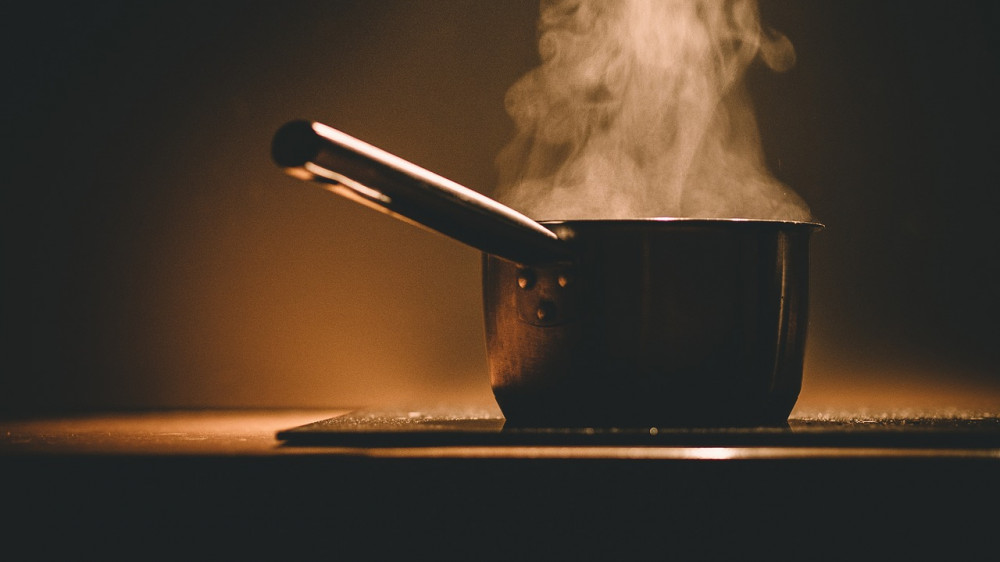
Imagine this: you leave a pot on the stove, it overheats, and your home fills with thick, greasy smoke. The aftermath isn't flames, but a pervasive layer of soot coating every surface—walls, furniture, curtains—coupled with a stubborn, acrid smell. The cleaning bill is astronomical. You file a claim with your home contents insurance (Hausratversicherung), confident you're covered. But what if your insurer says no? This exact scenario led to a landmark court case in Germany, highlighting a critical gap in many older insurance policies: the exclusion of soot and smoke damage unless an actual "fire" occurs.
This article explains the crucial legal distinction, analyzes a real €73,000 claim that was denied, and shows you how modern policies have evolved to close this dangerous loophole. Protecting your belongings means understanding the fine print.
The €73,000 Kitchen Accident: A Case Study in Denied Coverage
On February 17, 2021, a woman in Chemnitz left a pot on her ceramic cooktop. The contents burned, producing dense white smoke that filled her apartment. While there were no open flames, the resulting soot damage was severe: walls and furniture were covered in a greasy film, and the pervasive smoke odor rendered much of her home unusable. The total damage was estimated at €73,080.20.
Her insurer refused to pay. Their reasoning was rooted in the specific wording of her policy, the "Baustein Hausratversicherung SicherheitPlus" (2012 version). It defined a covered fire damage event as: "a fire that originated without a proper hearth or left it and is capable of spreading on its own power."
Since no open flames were proven and the incident didn't meet this strict definition of a self-propagating fire, the insurer argued the smoke damage was not a covered peril. The policyholder sued.
The Court's Ruling: The Strict Definition of "Fire"
The Chemnitz Regional Court (Landgericht Chemnitz, Az. 5 O 222/2) sided with the insurer. The court agreed that the event did not constitute a "fire" as defined in the contract. The key passage from the ruling states:
"It is undisputed between the parties that very dense white smoke clouds were present in the hallway and kitchen area of the plaintiff's apartment, but open flames or fire were not discernible."
The court concluded that soot and smoke damage arising without a qualifying fire event were not covered. Even the insurer's gesture of hiring a cleaning company was deemed an act of goodwill, not an admission of liability. The policyholder lost the case and bore the legal costs.
The Evolution of Coverage: Old vs. New Insurance Policies
This case underscores a dramatic shift in standard policy wordings. The outcome would likely be different under modern contracts.
| Policy Type / Wording | Coverage for Soot/Smoke Damage | Key Definition |
|---|---|---|
| Old Policies (e.g., "SicherheitPlus" 2012) | Typically EXCLUDED unless caused by a defined "fire." | Fire must be capable of spreading on its own. Smoke/soot alone does not trigger coverage. |
| New Standard Policies (e.g., GDV VHB 2022) | Typically INCLUDED as a specific peril. | Covers damage caused by smoke and soot that "suddenly and improperly escapes from heating, cooking, or drying installations on the insured premises." |
The new General Household Contents Insurance Conditions (VHB 2022) from the German Insurance Association (GDV) explicitly list soot and smoke damage as an insured event when it originates improperly from a household appliance like a stove or heater. Under these updated terms, the Chemnitz case would likely have resulted in a paid claim.
Action Steps: How to Ensure You're Fully Protected
Don't wait for a disaster to discover your policy's limitations. Follow these steps to secure comprehensive coverage:
- Review Your Current Policy Documents: Locate your insurance policy booklet or PDF. Search for sections defining "insured events" (versicherte Gefahren) and look for terms like "Rauch- und Rußschäden" (smoke and soot damage) or the definition of "Brand" (fire).
- Contact Your Broker or Insurer: Ask them directly: "Does my current home contents policy cover soot and smoke damage from a cooking accident, even if there are no open flames?" Get the answer in writing.
- Consider an Update or Switch: If you have a very old policy (e.g., from before 2015-2020), it may be based on outdated conditions. Upgrading to a modern policy with current GDV standard terms or equivalent comprehensive coverage is often the safest move.
- Understand All Perils: Beyond fire and soot, ensure your policy covers other common risks like water damage (Leitungswasser), burglary (Einbruchdiebstahl), storm (Sturm), and glass breakage.
Final Verdict: Don't Let a Technicality Leave You Uninsured
The Chemnitz ruling is a stark reminder that insurance is a contract of words. An event you intuitively call a "fire" may be legally classified as "smoke damage" and fall outside archaic definitions. The insurance industry has largely corrected this gap in new policies, but millions of households may still be exposed under old contracts. Proactively reviewing your home insurance coverage is a small task that can prevent a financial catastrophe. Ensure your policy reflects modern realities, so a simple kitchen mistake doesn't turn into a life-altering loss.